Jain Diet: What It Is, What You Can Eat, and Why It’s Unique
When people talk about Jain diet, a plant-based eating system rooted in non-violence and extreme dietary discipline. Also known as Jain vegetarianism, it goes beyond typical vegetarian rules by avoiding not just meat, but also root vegetables, honey, and often dairy—all to prevent harm to even the tiniest living beings. This isn’t just a food choice; it’s a daily practice of minimizing harm, shaped by over 2,500 years of spiritual tradition.
What makes the Jain diet different? Most vegetarians eat dairy, but Jains often avoid it because milk production involves separating calves from their mothers—a form of exploitation. Some even avoid eggs, fungi, and fermented foods because microbes might be killed in the process. You won’t find potatoes, onions, garlic, or carrots on a Jain plate because these grow underground and could contain microorganisms or uproot entire life forms. Instead, they eat leafy greens, fruits, legumes, grains, and nuts—all harvested carefully to avoid unnecessary destruction. This level of awareness makes the Jain diet one of the most thoughtful eating systems on the planet.
The Jain diet overlaps with strict Indian vegetarianism, a dietary code that excludes meat, fish, and eggs, but often includes dairy and root vegetables, yet it pushes further. While many Indian vegetarians enjoy paneer or ghee, Jains typically skip them, making their meals naturally dairy-free Indian food, meals made without milk, butter, ghee, or cheese. This isn’t a trend—it’s a deeply held belief. That’s why you’ll find so many Jain-friendly recipes in Indian cuisine that are already vegan by default: moong dal khichdi, rice with lentils, steamed vegetables with spices, and chutneys made from coconut or tamarind. Even the way food is prepared matters—many Jains avoid cooking after sunset, and some use special filters to strain water.
If you’ve ever wondered why Indian food can be so gentle on the stomach, or why some traditional dishes seem to avoid common ingredients like garlic or onions, the answer often lies in Jain dietary rules. These practices didn’t just stay within religious communities—they influenced regional cooking across India. You’ll see echoes of the Jain diet in the mild, clean flavors of Gujarati and Marwari food, in the absence of onion-garlic pastes in temple kitchens, and in the rise of non-violent eating, a philosophy that extends beyond diet to how food is grown, harvested, and served. It’s not about being restrictive—it’s about being mindful.
Below, you’ll find real recipes, practical tips, and clear explanations of what’s allowed—and what’s not—on a Jain diet. Whether you’re exploring this way of eating for spiritual reasons, health, or curiosity, these posts give you the tools to understand and apply it in your own kitchen.
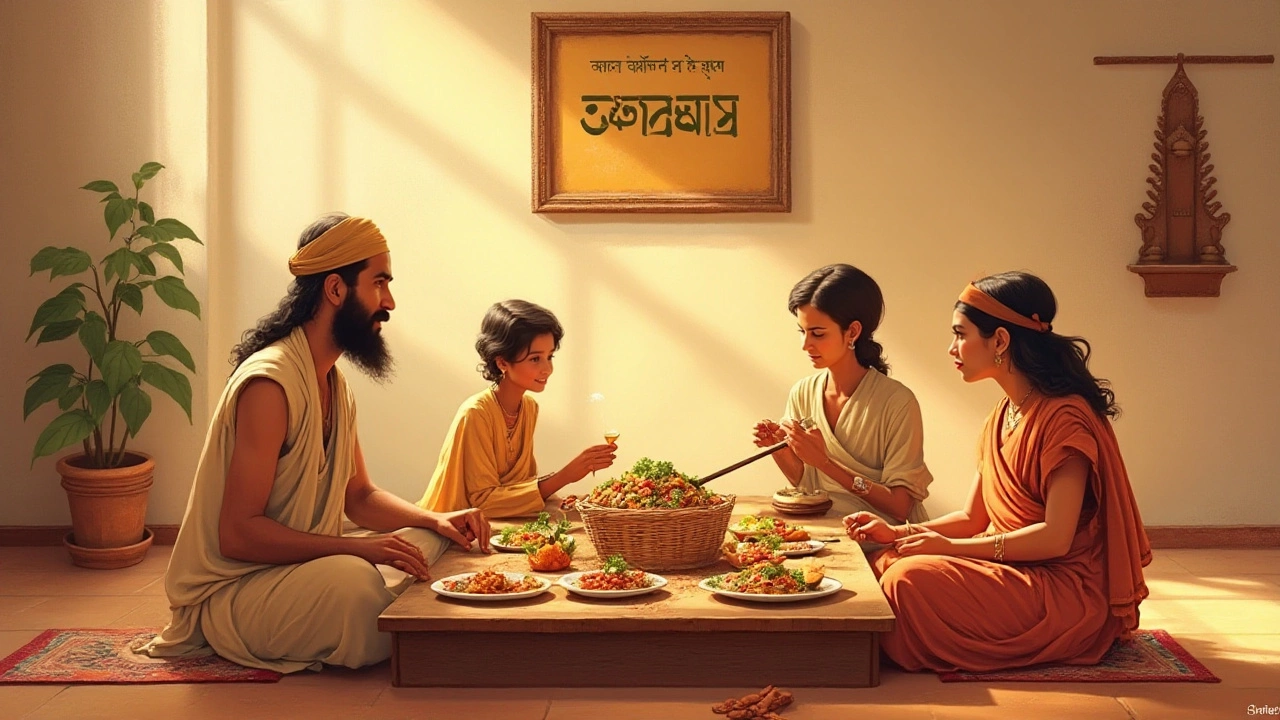
The Jain Diet: Understanding the Exclusion of Carrot
Understanding why Jains avoid eating carrots stems from their deep-rooted belief in non-violence and minimal harm toward all life forms. Carrots are excluded due to their growth beneath the soil, harboring many microorganisms, and the act of uprooting them results in the destruction of these life forms and the plant itself. This practice aligns with the Jain philosophy of ahimsa, which advocates for the gentlest form of living, factoring into their dietary choices that prioritize compassion over culinary diversity.
View More