Indian Spices: The Heart of Every Authentic Indian Dish
When you think of Indian food, you’re really thinking about Indian spices, a powerful blend of aromatic seeds, roots, and pods that define the taste, color, and healing power of Indian cooking. Also known as masalas, these spices aren’t just flavor boosters—they’re the reason Indian meals feel alive, complex, and deeply comforting. You won’t find a single traditional dish without them. Whether it’s the golden hue of turmeric, a root that gives curry its signature color and anti-inflammatory boost, or the earthy warmth of cumin, a seed toasted to unlock its nutty depth, each spice has a role. And then there’s garam masala, a warming blend of cinnamon, cardamom, cloves, and black pepper that’s added at the end to lock in fragrance. These aren’t random additions—they’re carefully layered, like instruments in an orchestra.
Indian spices don’t just taste good—they work. Turmeric reduces inflammation. Cumin aids digestion. Coriander seeds balance heat with citrusy freshness. Even the way they’re used matters: dry-roasting releases oils, tempering in hot oil wakes them up, and grinding fresh changes everything. That’s why store-bought powders often fall flat. Most Indian kitchens keep whole spices in airtight jars, grinding only what they need. This isn’t tradition for show—it’s science. And it’s why the same dish made at home tastes nothing like the restaurant version.
These spices are also why Indian food can be mild or fiery, creamy or tangy, all in the same meal. You’ll find them in breakfasts like poha, in curries like chana masala, even in sweets like kheer. They’re the secret behind why Indians eat less sugar—spices satisfy the craving for flavor without needing sweetness. They’re in the marinades for tandoori chicken, the chutneys that cut through richness, and the dals that soothe the gut. You don’t need to be an expert to use them. You just need to know how they behave. And that’s what you’ll find here: real, no-fluff guidance on how these spices work, how to use them, and which ones actually make a difference in your kitchen.
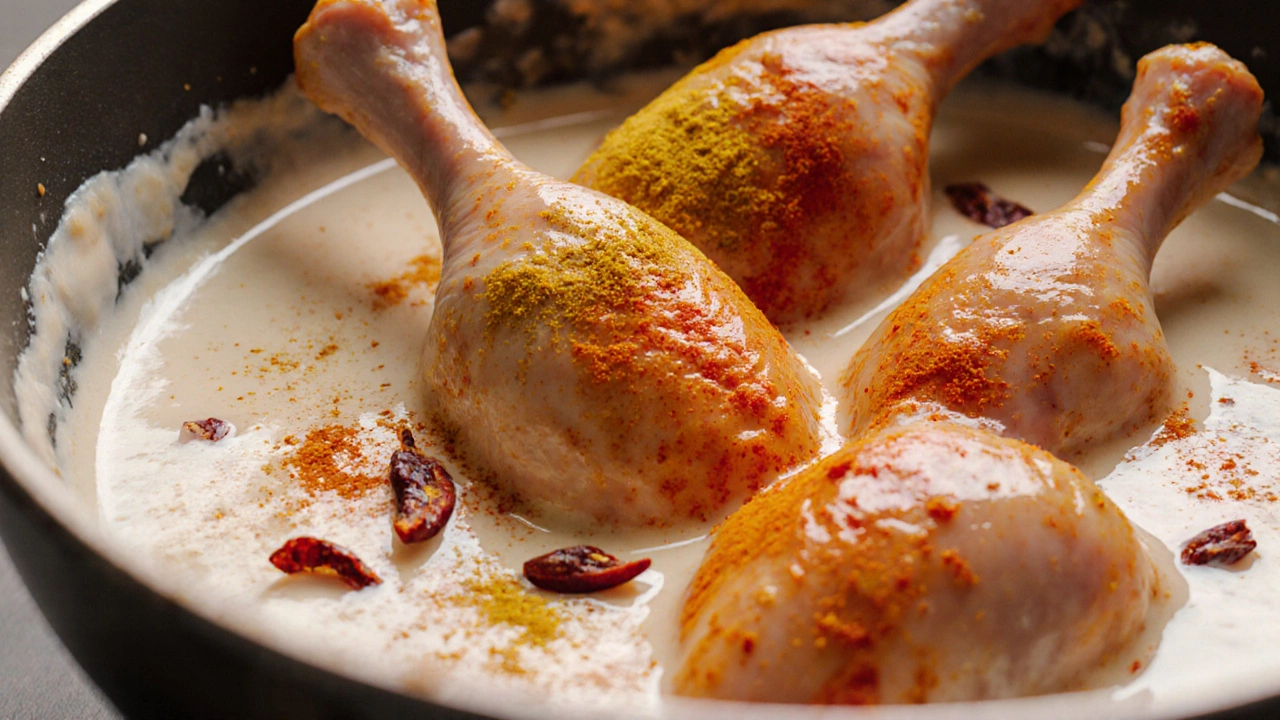
Why Is Tandoori Chicken Orange? The Science Behind Its Signature Color
Discover why tandoori chicken gets its signature orange hue, from spice pigments to cooking methods, and learn practical tips to perfect the color at home.
View More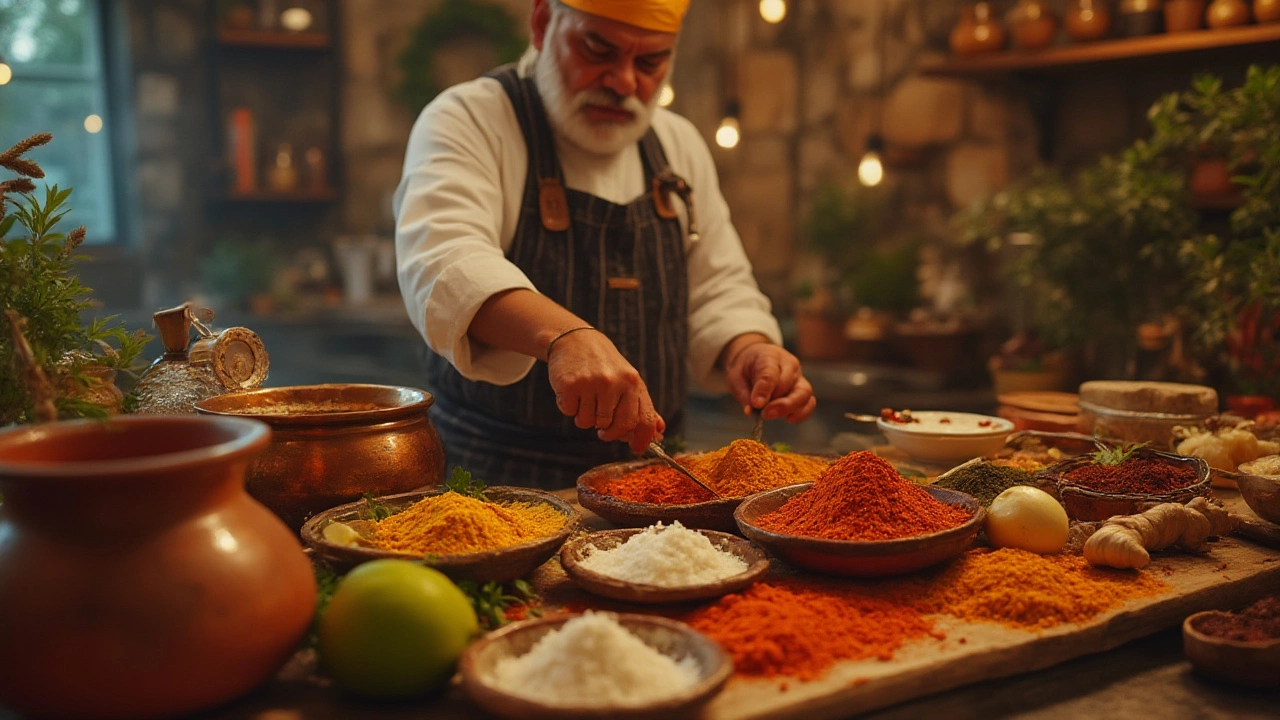
Tandoori Chicken Sauce Ingredients: Traditional Recipe & Secrets Revealed
Discover what goes into tandoori chicken sauce, its traditional ingredients, preparation secrets, and expert tips for flavor-packed results.
View More