Indian Pulses: Nutritious Staples of Everyday Indian Cooking
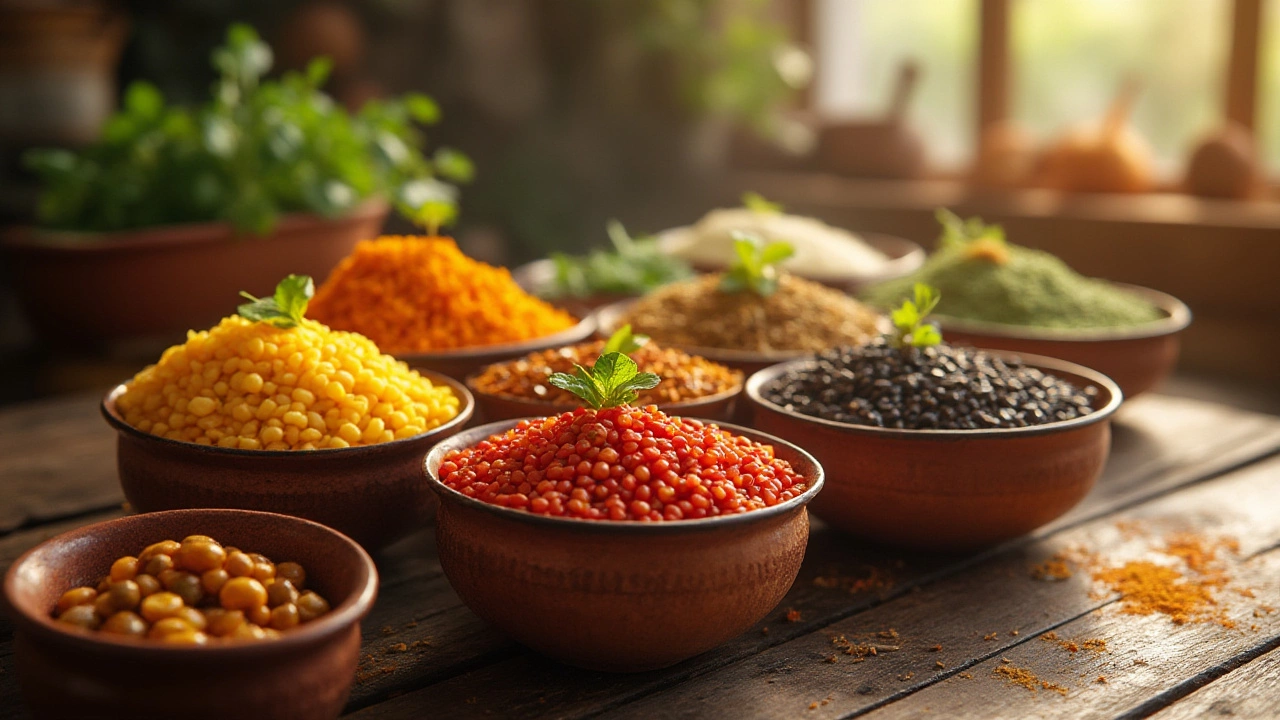
When you think of Indian food, you might picture spicy curries or buttery naan—but the real foundation of most meals is something quieter, simpler, and far more essential: Indian pulses, dried legumes like lentils, chickpeas, and split peas that form the protein core of daily meals across the country. Also known as dal, these legumes are cooked into soups, stews, and side dishes that feed families every single day. Unlike flashy dishes that make it to restaurant menus, pulses don’t need fancy ingredients or long prep times. They’re the quiet heroes—cheap, shelf-stable, and packed with protein, fiber, and iron.
Every region in India has its own way with pulses. In the north, chickpeas, often split and dried, are turned into chana masala or used in spicy curries with tomatoes and cumin. In the south, split peas, like toor dal or masoor dal, are simmered with turmeric and mustard seeds into a comforting, golden dal. In the east, urad dal gets fermented into dosa batter, while in the west, moong dal becomes sweet, steamed puddings or savory snacks. These aren’t just side dishes—they’re the main event, eaten with rice, roti, or eaten alone when time is short.
What makes pulses so central isn’t just taste—it’s nutrition. A bowl of dal gives you more protein than a chicken breast, without the cost or environmental footprint. It’s no surprise that India, despite its love for sweets, consumes less added sugar than most countries—the daily diet leans on pulses for energy, not sugar. And because they’re naturally low in fat and high in fiber, they’re the go-to for people watching their weight or managing blood sugar.
You’ll find pulses in almost every post here—from the healthiest Indian dishes to dairy-free meals and low-calorie snacks. Whether it’s moong dal khichdi for a gentle stomach, chana masala as a protein-rich lunch, or dal tadka served with steamed rice, these legumes are the thread tying together India’s diverse food culture. They don’t need to be exotic to be powerful. They just need to be cooked right.
Below, you’ll find real recipes, honest comparisons, and practical tips on how to use pulses every day—without the fuss. No fluff. Just what works.
What is Dal Called in English? Guide to Indian Lentils & Pulses
Wondering what 'dal' is in English? Dive into the meaning, types, nutrition, and fun facts about Indian dal, from lentils to split peas and more.
View More