Indian Food History: Origins, Traditions, and How It Shaped Today's Meals
When you think of Indian food history, the centuries-old evolution of flavors, ingredients, and cooking methods across the Indian subcontinent. Also known as Indian culinary heritage, it’s not just about spices—it’s about how geography, religion, and trade turned simple grains into sacred rituals and everyday meals. Long before butter chicken became a global favorite, Indian kitchens were shaped by Vedic texts that praised rice as a gift from the gods, and by ancient trade routes that brought cinnamon from Sri Lanka and black pepper from Kerala to royal courts in the north.
One of the oldest recorded dishes in human history is kheer, a creamy rice pudding made with milk, rice, and jaggery, mentioned in texts dating back over 3,000 years. This sweet wasn’t just dessert—it was offered in temple rituals, given as prasad, and later adapted into regional versions like phirni in the Mughal courts. Meanwhile, fermentation, a technique used for idli and dosa batter, was perfected long before modern science understood yeast, turning rice and lentils into digestible, nutrient-rich staples that still fuel millions today. The use of tamarind, turmeric, and cumin wasn’t random—it was medicine, preservation, and flavor all in one. Even today, the way you make paneer or marinate chicken ties back to these ancient practices.
Indian food history isn’t a single story. It’s layered: the vegetarian traditions of Jain monks, the meat-heavy dishes of Mughal emperors, the coastal seafood of Kerala, and the millet-based meals of rural Maharashtra all coexist. You can’t talk about Indian food without understanding how caste, climate, and colonialism changed what people ate. The British introduced tea, but Indians made it their own with masala. The Portuguese brought chilies, and within a century, they became the heartbeat of curries.
What you eat for breakfast—whether it’s poha in Maharashtra, idli in Tamil Nadu, or paratha in Punjab—isn’t just a meal. It’s a direct line to history. The same batter that makes dosa today was soaked and ground by hand a thousand years ago. The same spices that flavor tandoori chicken were once traded for gold. This isn’t nostalgia—it’s living tradition.
Below, you’ll find real, practical stories from across India: what people actually eat every day, why certain dishes survived while others faded, and how modern choices still echo ancient roots. No fluff. Just the food, the facts, and the stories behind them.
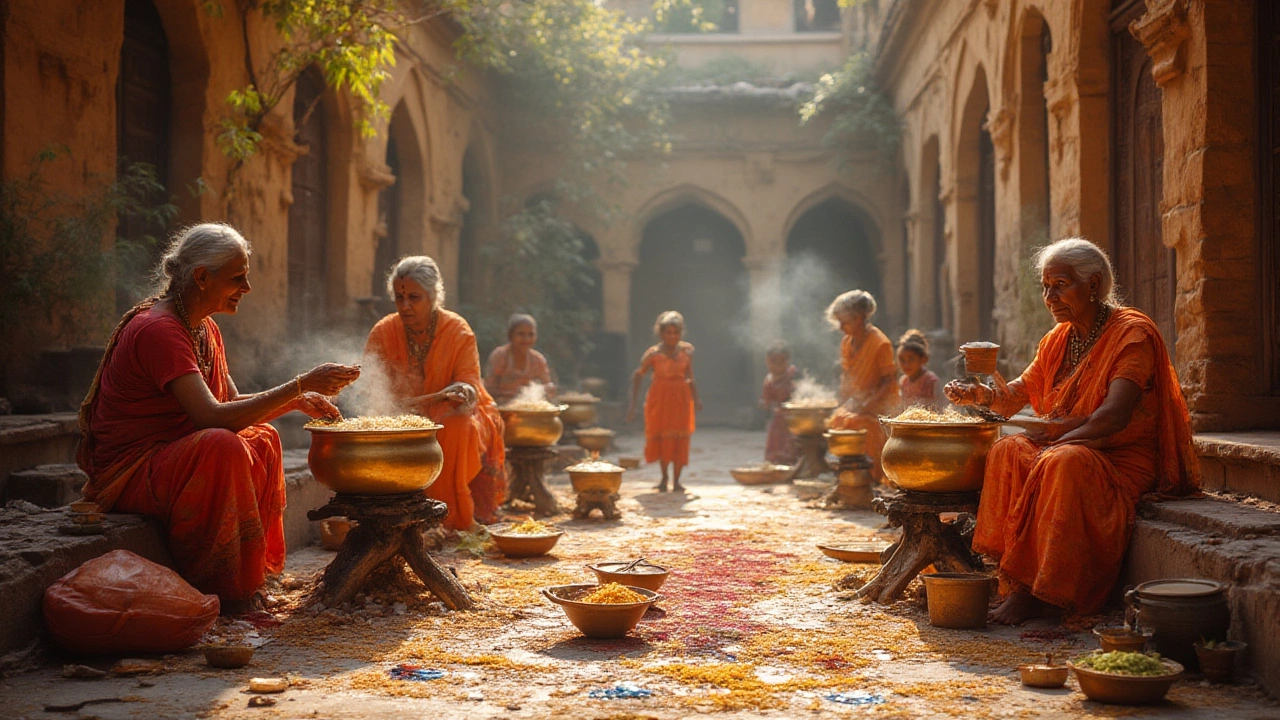
Tracing the Sweet Origins: Discovering the Oldest Indian Dessert in History
Curious about the oldest known dessert of India? Delve into the history, fascinating facts, and timeless recipes that shaped Indian sweets.
View More