Indian Food Culture: Traditions, Meals, and Daily Rituals
When you think of Indian food culture, the deep-rooted connection between daily meals, regional identity, and spiritual habits in India. Also known as Indian culinary traditions, it's not just about spices—it’s about rhythm, respect, and ritual. Every morning, from the steam rising off idlis in Tamil Nadu to the sizzle of parathas in Punjab, food begins as a ceremony. There’s no such thing as a one-size-fits-all Indian meal. What you eat depends on where you’re from, what you believe, and even the time of year.
Traditional Indian breakfast, a diverse set of regional morning meals shaped by climate, crop availability, and religious practices. Also known as Indian morning cuisine, it rarely includes cereal or toast. Instead, you’ll find fermented rice and lentil batters turned into dosas, steamed rice cakes called idlis, or savory poha made with flattened rice and mustard seeds. These aren’t snacks—they’re nutritionally balanced, often fermented for gut health, and eaten with chutneys made from coconut, tamarind, or coriander. Even sugar is handled differently: jaggery, not white sugar, is the sweetener of choice in many homes, keeping added sugar low despite the country’s reputation for sweets. And while you might assume all Indians are vegetarian, the truth is more layered. Indian vegetarian diet, a strict form of lacto-vegetarian eating common across many households, avoiding meat, eggs, and sometimes even root vegetables like garlic and onions. Also known as strict Indian vegetarianism, it’s not a trend—it’s a way of life for millions, shaped by religion, caste, and family custom. Dairy like yogurt, ghee, and paneer are staples, but dairy-free versions of classic dishes also exist, proving flexibility within tradition. Then there’s the role of sweets. Indian sweets, a category of desserts often tied to festivals, rituals, and celebrations, not daily consumption. Also known as mithai, they’re not eaten every day. In fact, India has one of the lowest per capita sugar intakes in the world—not because people avoid sweetness, but because they use natural, unrefined forms sparingly. Kheer, a rice pudding dating back centuries, is served at weddings and religious events, not as an afternoon snack. This isn’t just about taste—it’s about balance. The healthiest Indian dishes aren’t the ones with the most butter or cream. They’re the ones with lentils, steamed vegetables, fermented grains, and spices like turmeric and cumin that do more than flavor—they heal.
What you’ll find below isn’t a random list of recipes. It’s a curated look into how Indian food culture actually works—from what people eat at sunrise to what they avoid at dinner, from the science behind paneer-making to why citrus ruins it. You’ll see why butter chicken dominates global menus not because it’s the spiciest, but because it’s the most approachable. You’ll learn how to eat chutney properly, why dosa batter turns grainy, and how to make tandoori chicken without artificial color. This is food culture as it’s lived—not as it’s marketed.
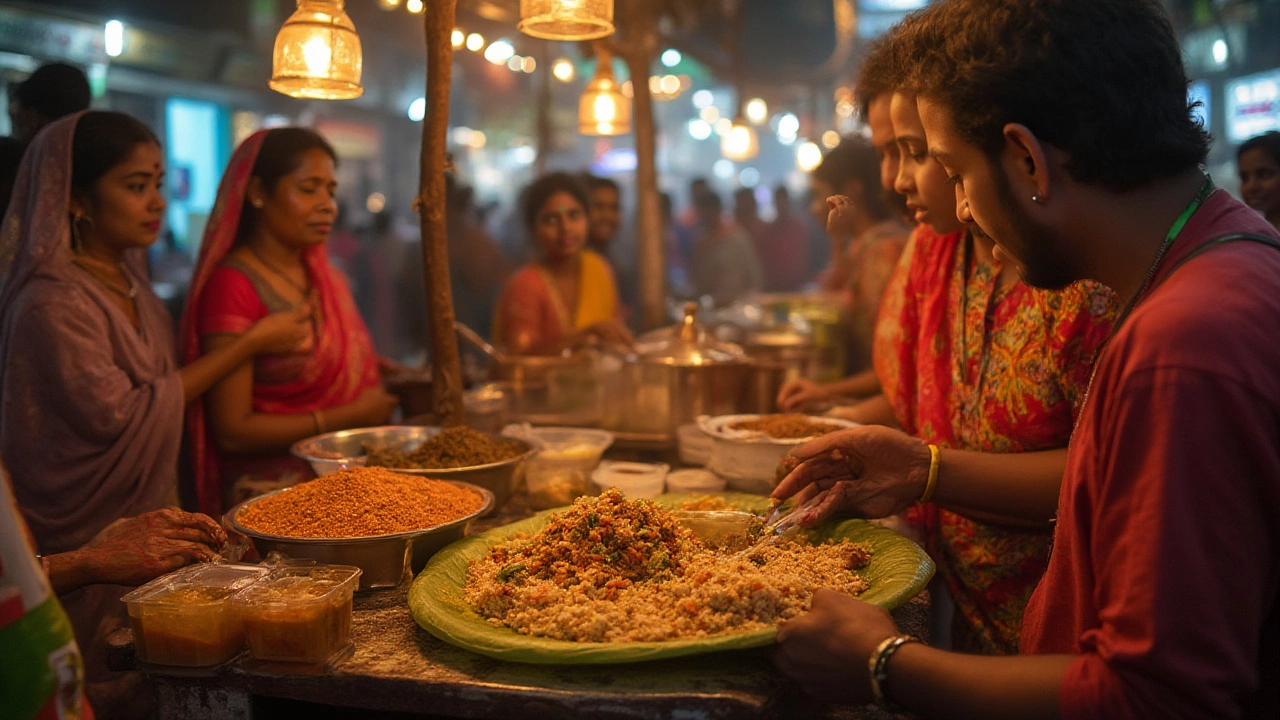
Most Popular Indian Street Food: The Reign of Chaat in India’s Snack Culture
Explore why chaat stands out as India’s reigning street food, how it varies by region, and tips to enjoy this legendary snack with memorable flavors and real local secrets.
View More