Indian Food Allergies: Common Triggers, Hidden Ingredients, and Safe Eating Tips
When you think of Indian food, you think of bold spices, rich curries, and comforting flatbreads—but for many, these same dishes carry hidden risks. Indian food allergies, allergic reactions triggered by common ingredients in traditional Indian meals. Also known as food sensitivities in South Asian cuisine, they often go unnoticed because the symptoms are mistaken for indigestion or spice intolerance. The truth? Many Indian dishes contain ingredients that are common allergens, and they’re rarely labeled—especially in homes and small restaurants.
Dairy, a cornerstone of Indian cooking, from ghee to paneer to yogurt-based marinades. Also known as lactose-containing ingredients, it’s in almost every curry, dessert, and even some chutneys. If you’re allergic to milk proteins, even a spoonful of ghee can cause a reaction. Then there’s nuts, used for thickening gravies, garnishing sweets, and flavoring snacks. Also known as tree nuts and peanuts in Indian kitchens, they show up in dishes like korma, palak paneer, and even some rice preparations. And don’t assume "vegetarian" means safe—many Indian sweets use milk powder, condensed milk, or cashew paste without warning.
Gluten is another silent player. While roti and naan are made from wheat, many street vendors use wheat flour as a thickener in dals and gravies. Even some spice blends contain wheat as an anti-caking agent. And soy? It’s in soy sauce, tofu-based snacks, and protein-rich lentil blends that are becoming more common in urban Indian kitchens. If you’ve ever felt bloated, itchy, or had a rash after eating Indian food, it might not be the spice—it could be an allergy.
What makes this even trickier is that Indian meals are rarely made with isolated ingredients. A single plate of dal chawal might contain dairy, nuts, and wheat—all in one bowl. And since many people grow up eating these foods, they assume any reaction is just "stomach trouble." But allergies don’t wait for you to be ready. They show up when you least expect it.
The good news? You don’t have to give up Indian food. With a few smart swaps and a little awareness, you can still enjoy the flavors you love. Many traditional dishes have dairy-free, nut-free, or gluten-free versions that have been eaten for generations. The key is knowing what to ask, what to look for, and which ingredients to replace without losing taste.
In the posts below, you’ll find real, practical guides on how to eat Indian food safely. From dairy-free recipes that still taste rich and creamy, to identifying hidden nuts in snacks, to gluten-free alternatives for roti and pakoras—you’ll learn exactly what to avoid and what you can still enjoy. These aren’t theoretical tips. They’re the kind of advice people use every day to eat Indian food without fear.
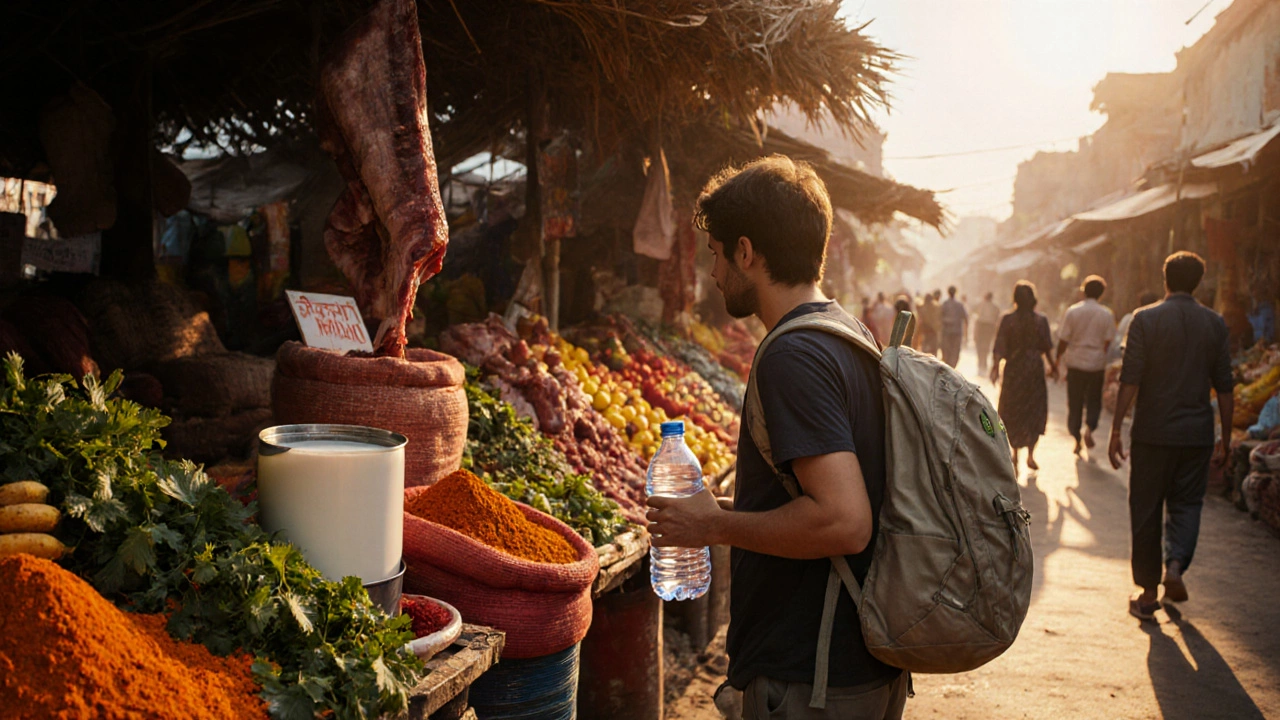
What Not to Eat in India: Essential Food Safety Tips for Travelers
Discover which Indian foods and drinks to avoid for safe travel. Learn practical tips, hygiene signals, and a quick checklist to enjoy Indian cuisine without stomach trouble.
View More