Indian Dietary Restrictions: What Indians Avoid and Why
When we talk about Indian dietary restrictions, the cultural, religious, and regional rules that shape what millions of people in India choose to eat every day. Also known as Indian food taboos, these aren’t just about personal preference—they’re woven into daily life, family traditions, and spiritual beliefs. Unlike diets driven by trends, these restrictions are deeply rooted. Many Hindus avoid beef because cows are sacred. Jains won’t eat root vegetables to prevent harming tiny life forms in the soil. Muslims and Christians in India skip pork. And for millions of vegetarians, meat of any kind is simply not on the table—not because they can’t afford it, but because it’s not part of their identity.
These rules don’t just limit food—they create a whole different way of eating. Dairy-free Indian dishes, meals made without milk, ghee, or paneer. Also known as Indian vegan meals, they’re not a niche trend—they’re the norm for many families, especially in South India and among Jain communities. You’ll find lentils cooked in coconut oil, rice porridges with tamarind, and spicy chutneys made from roasted lentils or herbs—all rich, satisfying, and completely free of dairy. Then there’s vegetarian Indian recipes, a vast category that includes everything from simple khichdi to complex paneer-free curries. Also known as plant-based Indian food, this isn’t a modern adaptation. It’s how Indian cuisine has been cooked for centuries, long before ‘plant-based’ became a buzzword. And when it comes to foods Indians avoid, the list is long and specific: beef, pork, eggs in some communities, onions and garlic in others, even certain legumes during religious festivals. Also known as Indian food taboos, these aren’t random. They’re tied to caste, region, temple rituals, and even seasonal cycles. You won’t find beef in a temple kitchen. You won’t see garlic in a Jain household. You won’t eat eggs during a fast in parts of Gujarat. These aren’t quirks—they’re the backbone of how food is understood in India.
What you’ll find in the posts below isn’t a list of rules to follow. It’s a real look at how these restrictions shape what people actually eat. You’ll see how people make flavorful meals without dairy, how they avoid heavy-to-digest lentils, why citrus doesn’t work for paneer, and how some of the most popular Indian dishes—like idli and dosa—are naturally low in sugar and fat. You’ll learn why butter chicken is loved across borders, but never eaten by strict vegetarians. You’ll discover which sweets are high in protein, which snacks are low-calorie, and which dishes are considered too mild for everyday meals. This isn’t about restriction. It’s about abundance—within boundaries. And if you’ve ever wondered why Indian food feels so different from other cuisines, the answer starts here—with what people choose not to eat.
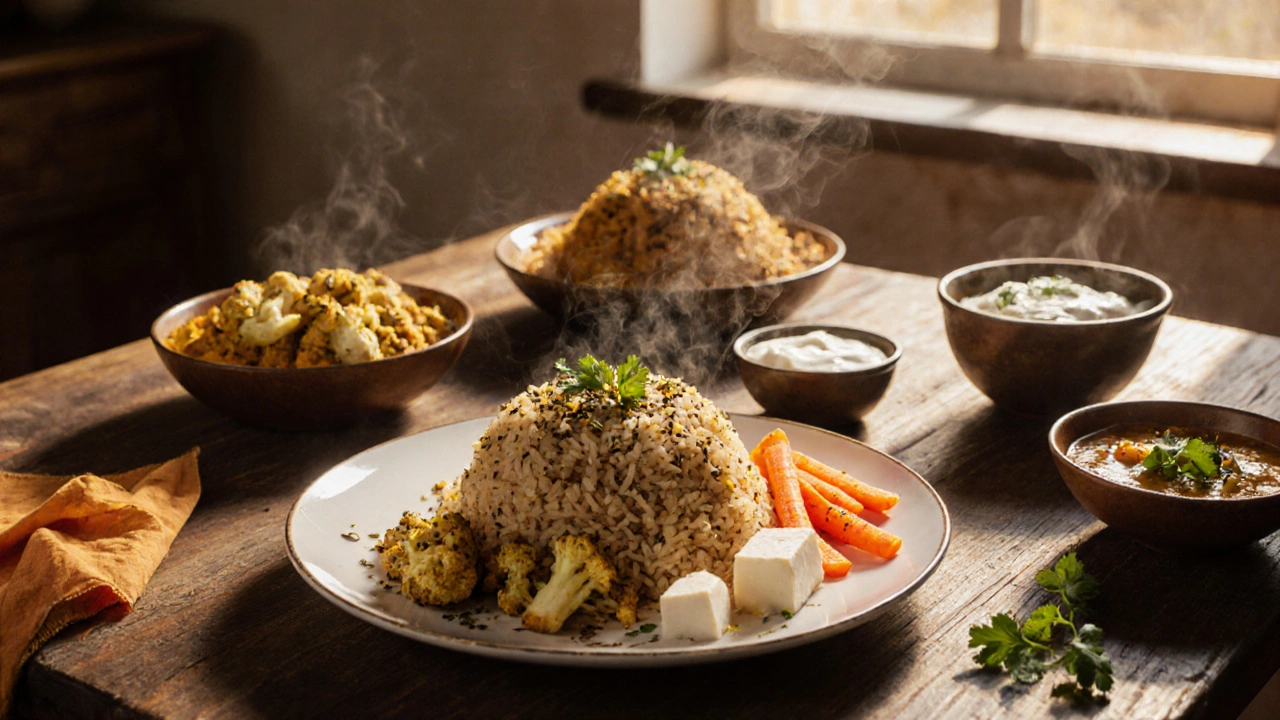
What Is Strict Indian Vegetarian? Definition, Rules, and Common Foods
Explore the exact meaning of strict Indian vegetarianism, its rules, allowed foods, common pitfalls, regional variations, and practical cooking tips for a fully compliant diet.
View More