Indian Cooking: Real Recipes, Regional Secrets, and Everyday Meals
When you think of Indian cooking, the vibrant, spice-driven culinary tradition of India that blends regional ingredients, ancient techniques, and family-passed methods. Also known as Hindustani cuisine, it's not just about curry—it's about how rice is soaked just right, how yogurt tenderizes chicken overnight, and why lemon doesn't work for making paneer. This isn't restaurant menu fluff. It's what people actually cook at home—from the steam rising off idlis in Tamil Nadu to the sizzle of parathas in Punjab.
Indian cooking includes a whole world of Indian breakfasts, light, fermented, and packed with protein, not sugary cereals. Think idli, poha, and upma—each region has its own version, and each one is made fresh daily. Then there's tandoori chicken, the iconic dish that turns orange not from food dye, but from Kashmiri chilies and yogurt marinades. And don’t forget healthy Indian dishes, like dal tadka and chana masala, that are naturally low in fat and high in fiber, without needing to be "diet food".
What makes Indian cooking work isn’t just the spices—it’s the rules. You don’t skip soaking basmati rice. You don’t use citrus to curdle milk for paneer. You don’t serve chutney as an afterthought—it’s the flavor bridge between bites. These aren’t suggestions. They’re the reason your dosa turns crisp, your chicken stays juicy, and your kheer tastes like it came from your grandmother’s kitchen.
Some think Indian cooking is too complicated. But look closer: the most loved dishes—butter chicken, moong dal khichdi, even a simple bowl of poha—are simple when you know the why behind them. You don’t need 20 spices. You need the right three: yogurt, spice blend, and acid. You don’t need fancy tools. You need a pressure cooker, a tawa, and patience for fermentation. And you don’t need to eat everything spicy. Mild dishes like khichdi or steamed idli are the backbone of daily meals across India.
Below you’ll find real answers to real questions: Why is dosa batter grainy? Can you use sour cream instead of yogurt? What’s the least spicy Indian dish you can actually eat? These aren’t theory pieces. They’re fixes, hacks, and explanations from people who cook this every day. Whether you’re trying to eat healthier, avoid dairy, or just make your first batch of idli without failing—this collection has what you need. No fluff. No myths. Just what works.
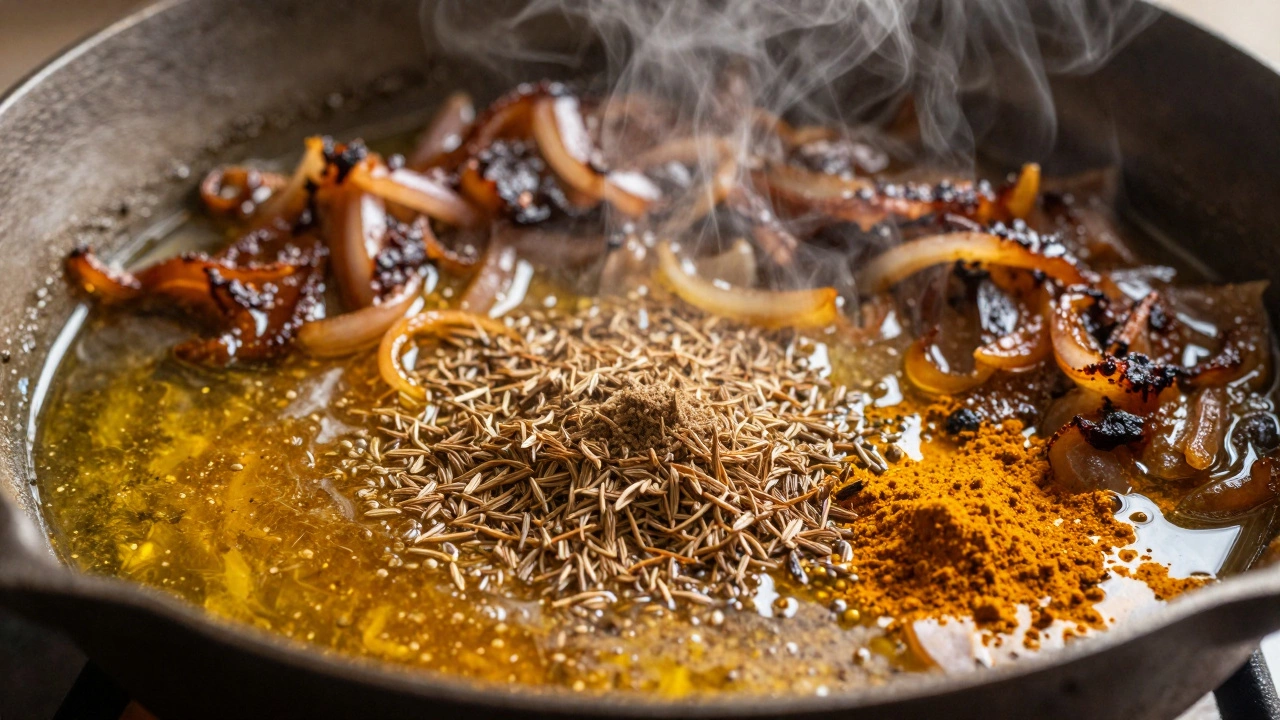
What Is the Main Flavor in Curry? The Secret Behind Chicken Curry
The main flavor in chicken curry isn't one spice - it's the slow-cooked base of toasted cumin, coriander, turmeric, and caramelized onions. Learn how real Indian kitchens build depth, not heat.
View More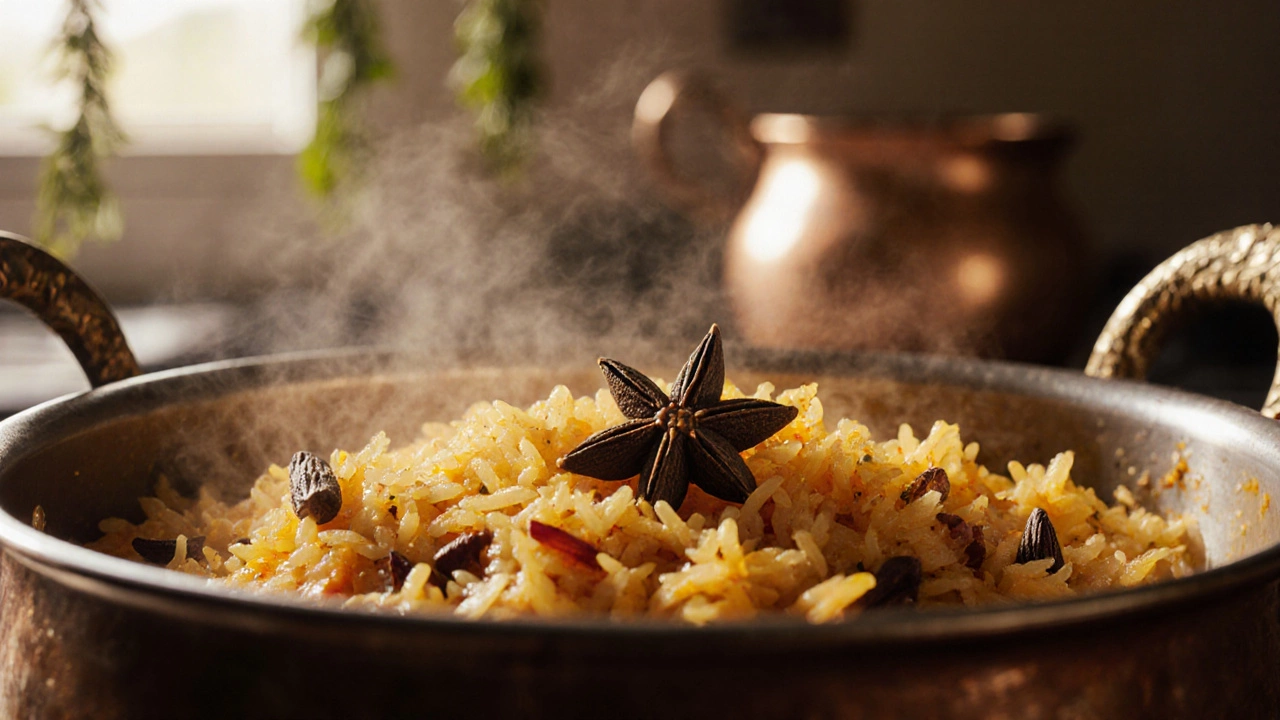
What Is the Star-Shaped Spice in Biryani?
Discover the star-shaped spice in biryani, its flavor role, how to use it, substitutes, storage tips, and common mistakes-all in one easy guide.
View More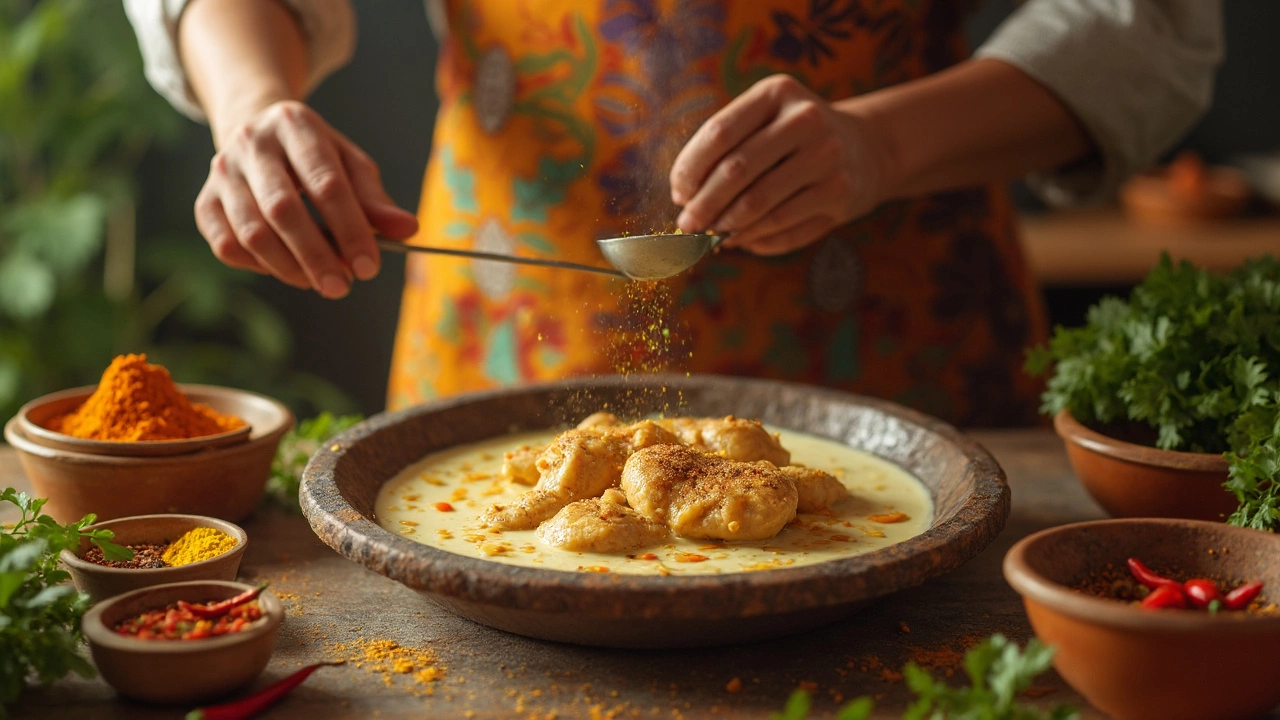
Tandoori Chicken: Why Is It So Tender?
Ever wondered why tandoori chicken melts in your mouth while regular grilled chicken sometimes turns out tough? This article breaks down the real secrets behind tandoori chicken's jaw-dropping tenderness. We’ll get into the role of yogurt, key spices, and the impact of heat from the tandoor oven. Get science-backed tips to make your own version just as tender—even if you don’t have a fancy clay oven.
View More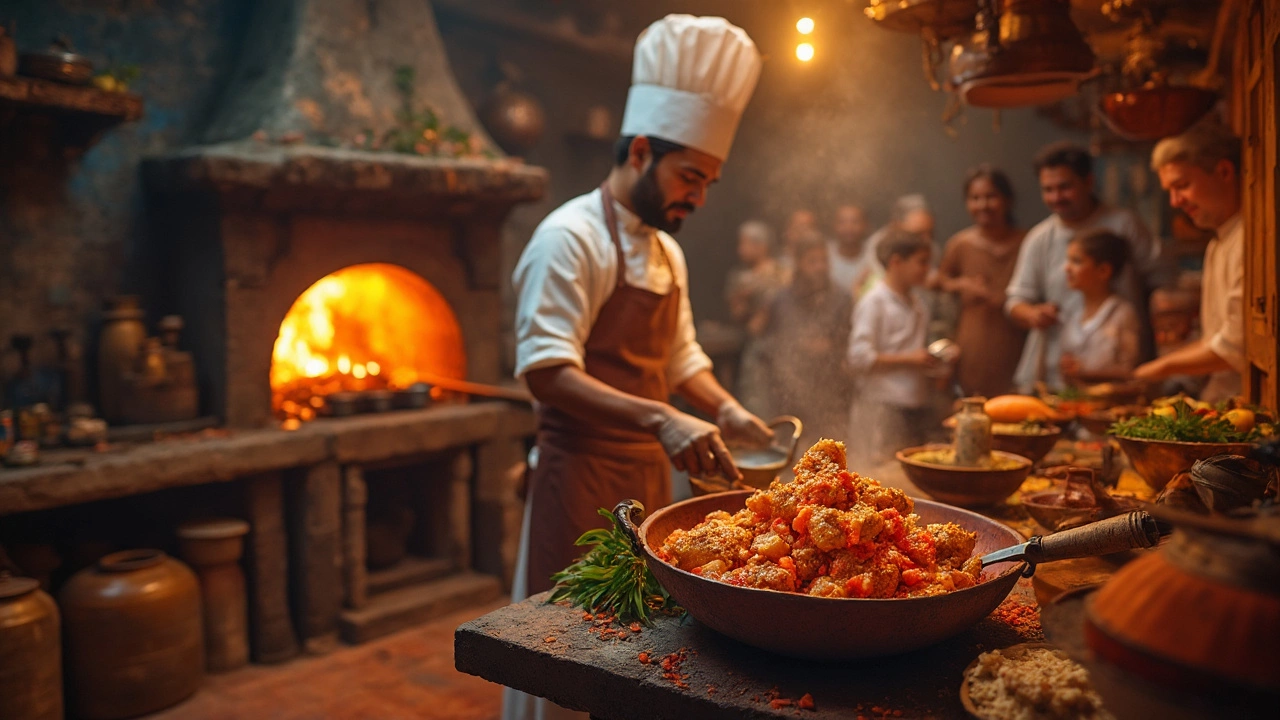
Is Tandoori a Spice or an Oven? Clearing Up the Confusion
Wondering if 'tandoori' means a spice or an oven? This article explains what tandoori really is, debunks the myths, and shows how it ties into the famous tandoori chicken. Explore the origins, get handy tips for home cooking, and find out how to make tandoori dishes even without an actual tandoor oven. Discover some must-know facts before you start your next Indian recipe.
View More
Curry’s Secret Ingredient: What Makes Chicken Curry Addictive?
Chicken curry can taste wildly different from kitchen to kitchen, but that 'something special' flavor keeps people hooked. This article digs into what really makes a curry unforgettable, busting myths about magic powders and uncovering the true secret ingredient. You’ll get practical tips for recreating restaurant-level curry at home. It’s time to find out what you’ve been missing when your curry tastes just 'okay.' Get ready to take your chicken curry to the next level.
View More
Can You Add Paneer Straight to Curry?
Many home cooks wonder if it's okay to toss paneer straight into curry or if there's a secret trick to making it perfect. This article explores whether you can add paneer directly to your dish and how to get the best out of it. Learn the benefits of frying paneer first, the impact on texture and flavor, and tips on keeping it soft and delicious. Delving into how homemade paneer differs from store-bought can help refine your culinary skills.
View More