Indian Breakfast Drinks: Traditional Morning Beverages Across India
When you think of an Indian breakfast, you might picture idli, dosa, or paratha—but you’re missing half the story. The real morning ritual starts with a drink. Indian breakfast drinks, warm, tangy, spiced, or refreshing beverages paired with morning meals to aid digestion and energize the body. Also known as morning tonics, these drinks are as essential to the meal as the food itself. They’re not afterthoughts. They’re the first thing you sip before you even sit down.
Take masala chai, a spiced black tea brewed with cardamom, ginger, cinnamon, and milk. This isn’t just coffee’s Indian cousin—it’s the national morning alarm. From street stalls in Delhi to home kitchens in Kerala, it’s the one drink that connects every region. Then there’s lassi, a yogurt-based drink, thick or thin, sweet or salty, served chilled to balance spicy meals. In Punjab, it’s a thick, creamy companion to parathas. In Rajasthan, it’s salty and spiced with roasted cumin to fight the heat. And in Tamil Nadu, you’ll find nimbu pani, a simple lemonade with black salt and mint, drunk hot or cold depending on the season. It’s not a snack. It’s a digestive reset.
Then there’s the quiet hero: kanji, a fermented carrot and mustard drink, tart and fizzy, made in winter across North India to boost immunity. It’s not trendy. It’s traditional. It’s the kind of thing your grandmother made without a recipe, just instinct and time. These drinks aren’t chosen for taste alone—they’re chosen for function. They warm you up in winter, cool you down in summer, help digest heavy carbs, and prepare your gut for the day. You won’t find them in fancy cafes. You’ll find them in homes, roadside stalls, and temple courtyards—where breakfast is still a ritual, not a trend.
What you’ll find in the posts below are the real stories behind these drinks—not just recipes, but why they’re made the way they are. How fermentation turns simple ingredients into gut-friendly powerhouses. Why some families use jaggery instead of sugar. Why certain spices are added only in winter. You’ll see how a drink like lassi changes from sweet to salty depending on the state, and how a single glass of masala chai can carry the flavor of three generations. These aren’t just beverages. They’re the quiet heartbeat of Indian mornings.
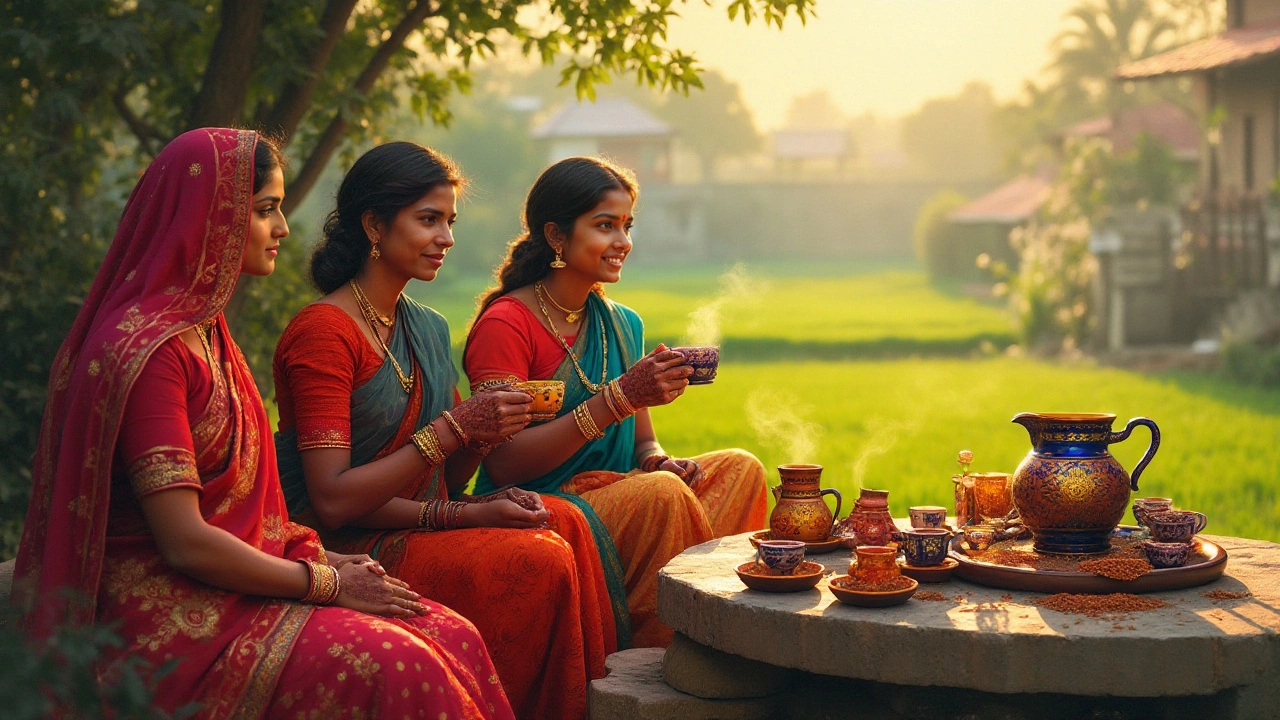
Popular Morning Beverages in India: A Taste of Tradition
In India, morning beverages play a crucial role in daily rituals, offering a variety of flavors and traditions. From the aromatic chai to the refreshing filter coffee, each drink tells a story of its own cultural significance. The preference for these drinks often depends on regional influences and personal tastes. Understanding these popular choices gives insight into India's diverse breakfast culture.
View More