Idli: The Steamed South Indian Breakfast Staple and Why It’s a Health Hero
When you think of a perfect Indian breakfast, idli, a soft, steamed cake made from fermented rice and urad dal batter. Also known as steamed rice cakes, it’s the quiet hero of South Indian mornings—light, digestible, and packed with slow-releasing energy. Unlike fried snacks or heavy parathas, idli doesn’t weigh you down. It’s eaten daily by millions, not because it’s fancy, but because it just works.
Idli is made from a simple mix of rice and black lentils soaked overnight, ground into batter, and left to ferment. That fermentation isn’t just tradition—it’s science. It breaks down starches, boosts B vitamins, and makes the protein more absorbable. That’s why idli is often recommended for kids, seniors, and anyone with sensitive digestion. It’s naturally gluten-free, low in fat, and contains no added sugar. Compare it to dosa, a thin, crispy pancake made from the same batter but fried or cooked with oil. rice crepe—both start with the same batter, but idli stays steam-cooked, keeping its calorie count low and its nutrients intact. That’s the real difference.
People often ask if idli is healthy. The answer isn’t just yes—it’s why it’s healthy. The fermentation process creates natural probiotics, similar to yogurt. It’s paired with coconut chutney (made from fresh coconut, green chilies, and a pinch of salt) or sambar (a lentil-based vegetable stew), which adds fiber, protein, and flavor without heaviness. You won’t find butter, cream, or sugar in traditional idli. It’s not a dessert. It’s fuel.
What makes idli even more special is how it fits into daily life across India. It’s sold by street vendors before dawn, served in school cafeterias, and eaten by office workers who need something quick and filling. It’s not trendy. It’s timeless. And it’s one of the few Indian foods that stays healthy no matter how you eat it.
Below, you’ll find real posts that dig into idli’s role in breakfast culture, how it stacks up against dosa, why fermentation matters, and what makes it one of the most trusted foods in Indian kitchens. No fluff. Just facts, comparisons, and practical insights from people who eat it every day.
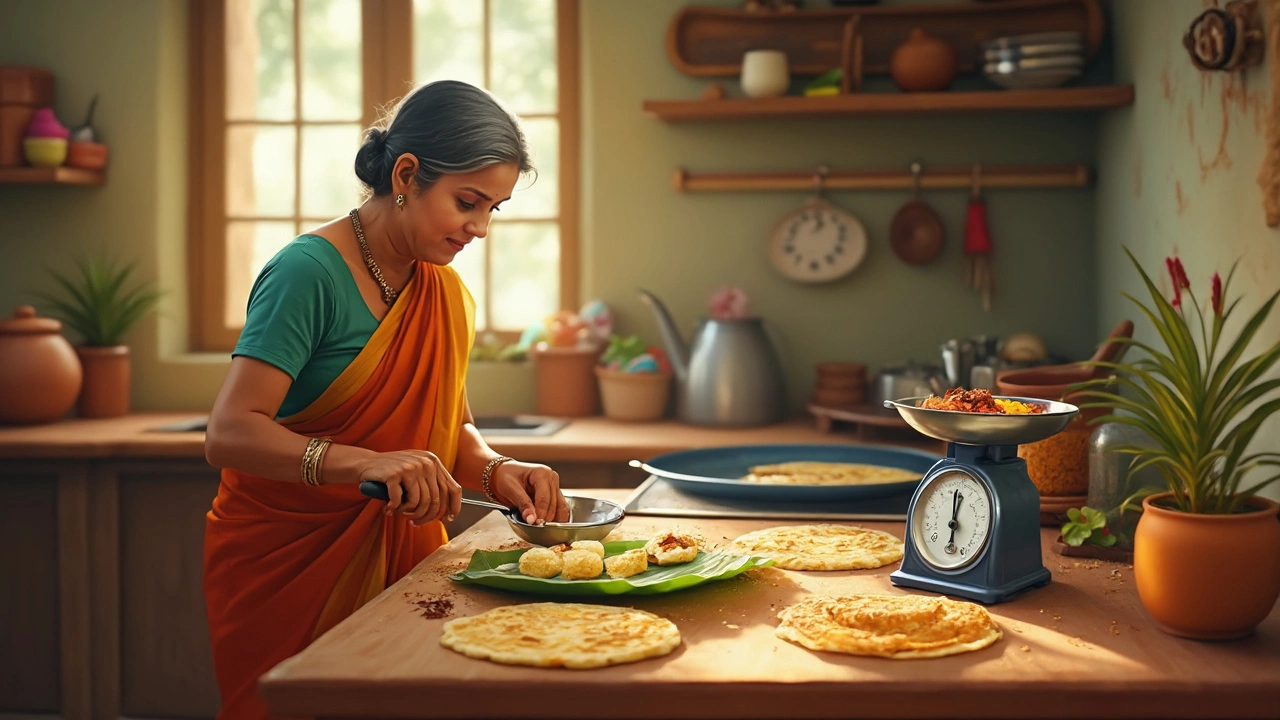
Can Diabetics Eat Idli and Dosa? Navigating Tasty Traditions with Care
Idli and dosa are beloved South Indian foods that many worry might not suit a diabetic diet. The good news? With careful planning, these tasty dishes can fit into a balanced eating plan. The key lies in understanding portion sizes, choosing the right ingredients, and balancing them with other foods. Discover how to enjoy these iconic dishes without compromising your health.
View More