How to Tell Dosa Batter Is Bad
When you’re making dosa batter, a fermented mix of rice and lentils used to make crispy South Indian pancakes. It’s meant to rise, smell slightly tangy, and feel smooth—but if it’s gone wrong, you’ll know fast. This batter doesn’t need fancy tools, just time, warmth, and clean ingredients. But if it smells off, looks strange, or won’t spread, it’s not just ruined—it could make you sick.
Fermentation, the natural process where good bacteria break down sugars in the batter. It’s what gives dosa its light texture and subtle sour note. But if the environment is too cold, too hot, or dirty, bad bacteria take over. That’s when you get a rotten egg smell, slimy texture, or mold spots. A little sourness? Normal. A strong ammonia or vinegar stink? That’s your signal to throw it out. Many people think old batter is just "too sour," but real spoilage isn’t about flavor—it’s about safety. And it’s not just about smell. If the batter separates into watery layers with thick lumps you can’t stir back in, or if you see green, black, or fuzzy patches, don’t risk it. Even one spoonful of spoiled batter can upset your stomach.
Dosa batter consistency, how thick or runny the mix feels before frying. Good batter should pour like heavy cream—thick enough to hold its shape slightly, thin enough to spread easily on a hot griddle. If it’s grainy, it’s under-fermented or not ground well. If it’s too runny, you added too much water. But if it’s suddenly thick like glue, smells sour-sweet, or has bubbles that pop with a foul odor, that’s not fermentation—that’s decay. Salt, water quality, and even the type of rice matter. Using tap water with chlorine? That can kill the good bacteria before they start. Storing batter in a metal bowl? That can react and change the flavor. These aren’t myths—they’re why your last batch failed.
Most people think bad batter is just a cooking mistake. But it’s often a hygiene issue. A dirty spoon, a damp container, or leaving the batter out too long in summer heat turns a simple mix into a breeding ground. That’s why so many recipes say to use clean hands and sterilized jars. You don’t need fancy gear—just clean everything, keep it warm (not hot), and wait patiently. If your batter doesn’t double in size after 8–12 hours, it’s not ready. If it smells like spoiled milk or has a fizzy, chemical taste, it’s gone bad. Trust your nose more than your recipe.
What you’ll find below are real stories from home cooks who’ve been there—batter that turned gray, smelled like trash, or refused to cook right. We’ll show you exactly how to tell the difference between normal fermentation and dangerous spoilage, what to do if you mess up, and how to fix your next batch so it never happens again. No fluff. No guesswork. Just what works.
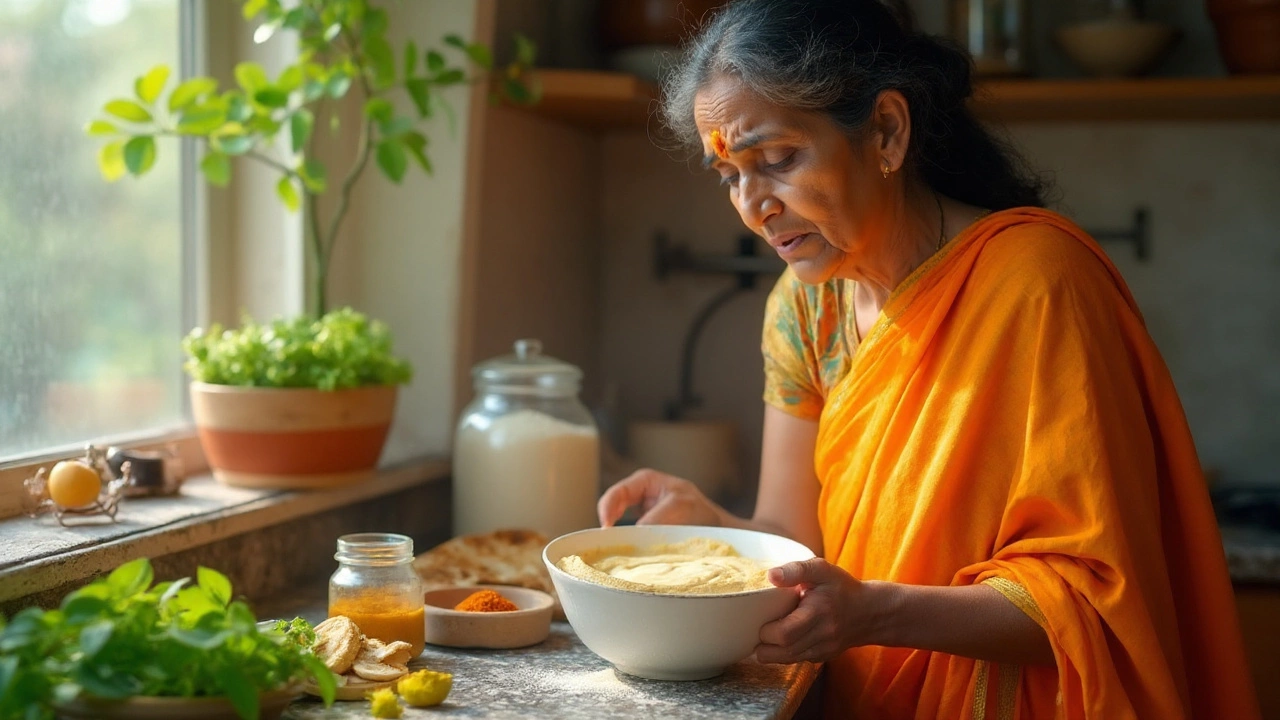
How to Tell if Dosa Batter Has Gone Bad: Simple Signs and Expert Tips
Learn how to spot spoiled dosa batter, why it happens, and practical tips for freshness. Avoid kitchen disasters and get crisp, tasty dosas every time.
View More