Homemade Biryani: Authentic Recipes, Tips, and Regional Secrets
When you think of homemade biryani, a fragrant, layered rice dish cooked with spiced meat or vegetables and slow-steamed to perfection. It's not just a meal—it's an event. Also known as biryani rice, this dish brings together tender meat, aromatic spices, and long-grain basmati rice, a premium long-grain rice prized in Indian cooking for its fragrance and fluffy texture in a way that turns simple ingredients into something unforgettable.
What makes biryani special isn’t just the spices—it’s the technique. The biryani spices, a blend of whole and ground spices like cardamom, cloves, cinnamon, and saffron, often toasted to release their oils are layered between rice and meat, then sealed and cooked slowly so the flavors sink in. Unlike curries, biryani doesn’t rely on sauce—it’s all about balance. The rice stays separate, the meat stays juicy, and every bite carries the scent of slow-cooked herbs. In South India, they use more coconut and curry leaves. In the North, it’s richer with yogurt, fried onions, and dried fruits. And in Hyderabad, the dum method—cooking sealed in a pot over low heat—is sacred.
You won’t find real homemade biryani made with pre-cooked rice or store-bought masala. It starts with soaking basmati rice, a step that ensures each grain stays separate and doesn’t turn mushy for at least 30 minutes. The meat is marinated in yogurt and spices overnight, not just an hour. And the layering? That’s where magic happens—rice, meat, fried onions, saffron milk, and fresh herbs stacked like a cake, then sealed with dough or foil. It’s a process, yes—but it’s the kind that fills your whole house with smell that makes people stop and ask, "What are you cooking?"
Most people think biryani is just spicy. But the best versions are about depth, not heat. That’s why so many Indian families keep their spice blends secret. Some use star anise. Others add rose water. A few even toss in a pinch of edible camphor for that authentic touch. You’ll find variations in every region, but the core stays the same: patience, quality ingredients, and respect for the layers.
Below, you’ll find real recipes from Indian homes—not restaurant shortcuts. You’ll learn how to fix soggy rice, how to get that perfect golden crust on the bottom, and why some cooks fry onions until they’re almost black. Whether you’re making chicken biryani for the first time or trying to nail the Hyderabadi version, these posts give you what actually works in kitchens across India.
How to Make Flavorful Biryani at Home
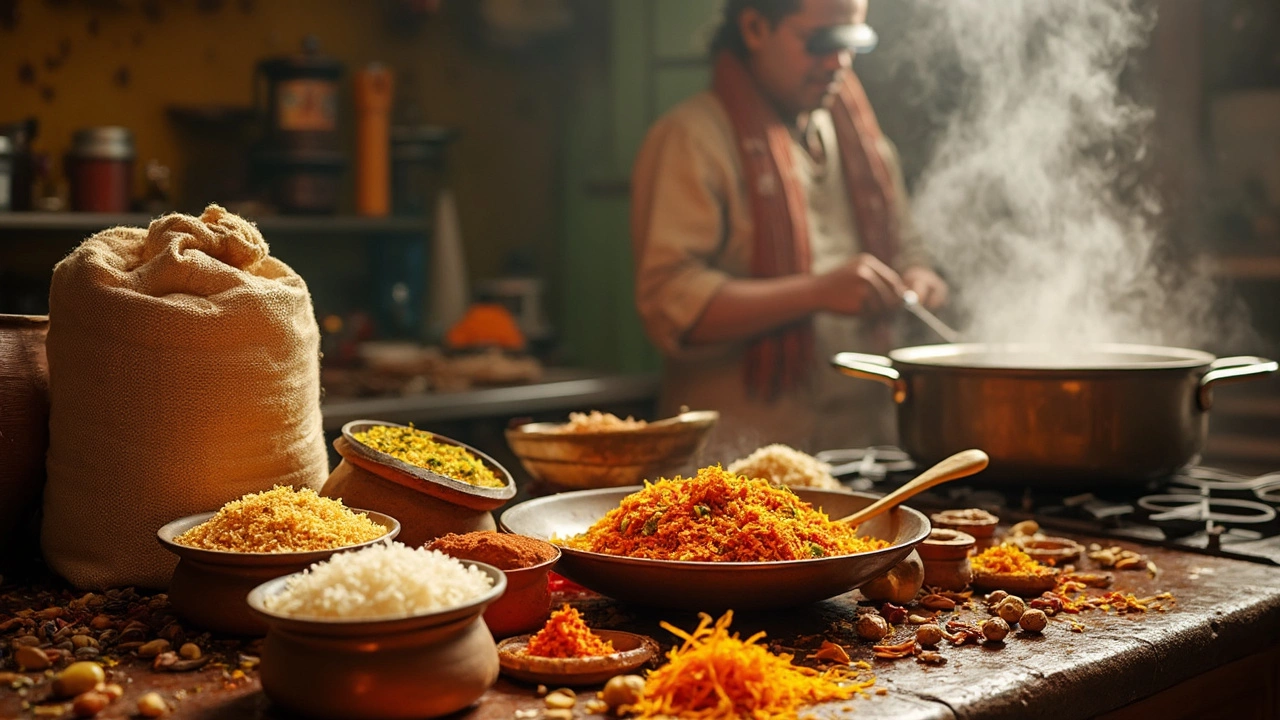
Biryani, a fragrant and colorful rice dish, is a crown jewel of Indian cuisine. This article provides an approachable method to create homemade biryani, highlighting key ingredients like basmati rice, spices, and marinated meat or vegetables. Discover practical cooking tips and fascinating insights into the dish's diverse regional variations. Whether you're a newbie in the kitchen or a seasoned cook, this guide unlocks the secrets to a perfect biryani. Treat yourself to a sensory delight that seamlessly blends flavors and aromas.
View More