Hindu traditions in Indian food: How faith shapes daily meals
When you eat an idli or sip a glass of lassi, you’re not just having breakfast—you’re taking part in a Hindu traditions, a system of spiritual and cultural practices that guide daily life, including what, when, and how food is prepared and eaten. Also known as Sanatana Dharma, these traditions turn meals into acts of devotion, discipline, and community. In India, food isn’t separated from faith. It’s woven into it. What you eat, who prepares it, and even the time you eat it often follows rules passed down for centuries.
One of the clearest examples is strict Indian vegetarianism, a dietary code followed by millions that excludes meat, fish, and eggs, and often avoids onion and garlic for spiritual purity. This isn’t just a health choice—it’s rooted in ahimsa, the principle of non-violence. You’ll find this reflected in dishes like dal tadka, khichdi, and vegetable curries made without animal products. Even dairy plays a sacred role: ghee is offered in rituals, paneer is a staple, and yogurt cools the body after fasting. But not all dairy is treated the same—many avoid cheese or sour cream because they’re seen as too processed or impure. Then there’s dairy in Hindu cuisine, the intentional use of milk, yogurt, and ghee not just for taste, but for their symbolic connection to purity, nourishment, and divine energy. It’s why you’ll rarely find a traditional Indian meal without a spoonful of ghee or a side of curd.
These traditions also dictate when you eat. Fasting during festivals like Navratri or Ekadashi isn’t about weight loss—it’s about cleansing the body and mind. On those days, people eat foods like sabudana khichdi, singhare ka atta roti, or kuttu ki puri—ingredients approved for fasting, often gluten-free and light. And while some might think Indian food is always spicy, the truth is many dishes are intentionally mild during religious observances. The goal isn’t flavor overload—it’s balance, clarity, and respect.
These aren’t old customs fading away. They’re alive in every home kitchen, every temple meal, every street vendor who skips garlic in their chutney for a devout customer. Whether you’re cooking for yourself or just curious about why Indians eat the way they do, the connection between faith and food here is deeper than taste. It’s identity. It’s history. It’s daily practice. Below, you’ll find real recipes, clear explanations, and honest comparisons that show exactly how Hindu traditions shape what ends up on your plate—no guesswork, no fluff, just what works.
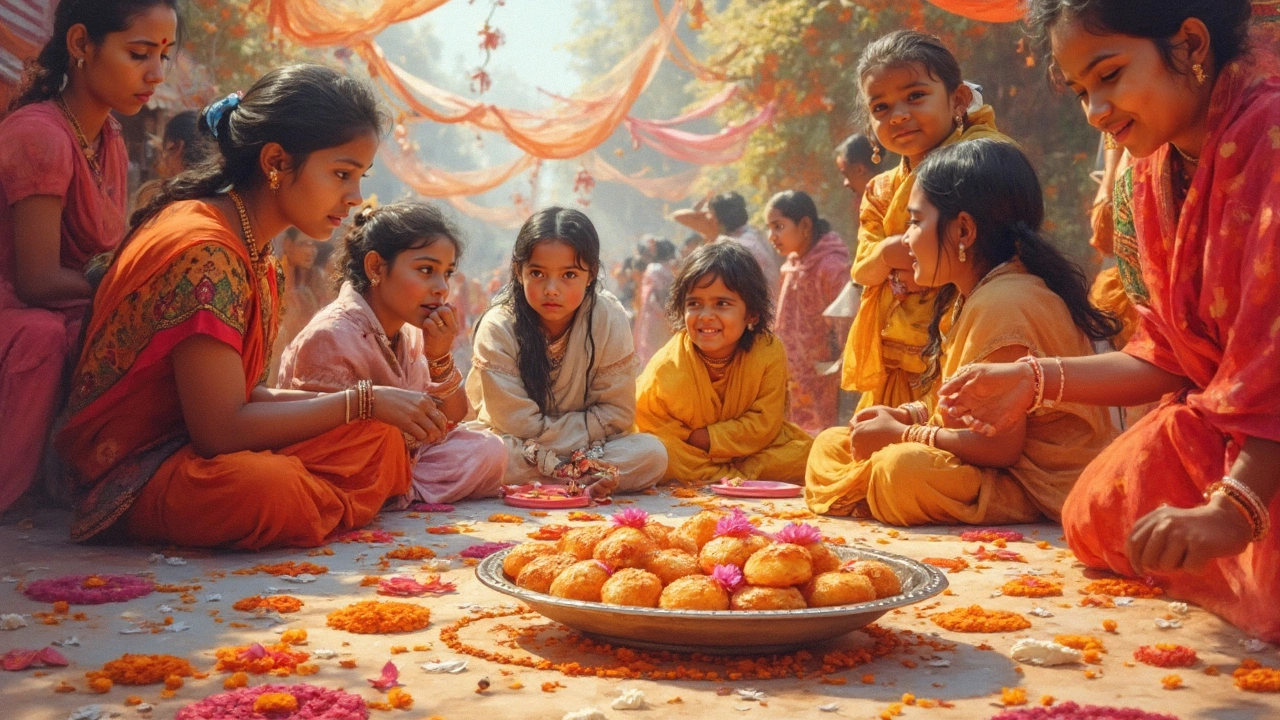
Why Hindus Give Sweets: A Delicious Tradition
Hindu culture is rich in traditions, and giving sweets holds a special place among them. Sweets are not just treats but are filled with symbolic meanings. From religious ceremonies to festivals, they bring people together and sweeten every celebration. This article explores why Hindus cherish this practice and offers insights into its deep-rooted significance.
View More