Hindu Sweets: Traditional Indian Desserts with Cultural Roots
When you think of Hindu sweets, sweet dishes made and offered in Hindu religious and cultural practices, often using milk, sugar, nuts, and cardamom. Also known as Indian prasad, they are not just treats—they’re sacred gifts, symbols of abundance, and the heart of family gatherings. These sweets aren’t just eaten; they’re shared during festivals, offered in temples, and given as blessings. From the creamy kheer, a rice pudding made with milk, rice, and saffron, often served in temples and during Diwali to the chewy ladoo, round balls made from gram flour or coconut, rolled in sugar and given as offerings, each sweet carries meaning. They’re tied to seasons, gods, and stories—like how modak is offered to Ganesha, or jalebi is linked to monsoon festivals.
What makes Hindu sweets different from regular desserts? It’s not just the ingredients—it’s the intention. Many are made without eggs or artificial flavors, using jaggery instead of white sugar, and often prepared with clean hands and prayers. The process itself is ritualistic: slow cooking, stirring clockwise, using copper or clay pots. Even the way they’re packaged—wrapped in banana leaves or tied with red thread—has spiritual roots. These sweets are also deeply regional. In the south, you’ll find mysore pak made with ghee and gram flour. In the north, it’s peda made from khoya. In the east, sandesh from fresh chhena. And in the west, shrikhand with strained yogurt and cardamom. Each variation reflects local dairy traditions, climate, and temple customs.
You won’t find these sweets in every grocery store, but you’ll find them in every home that celebrates a festival, a birth, or a wedding. They’re passed down through generations, not just as recipes but as memories. That’s why even today, when someone says "bring something sweet," it’s never just about sugar—it’s about connection. Below, you’ll find real stories, authentic recipes, and surprising facts about the sweets that have fed India’s spirit for centuries.
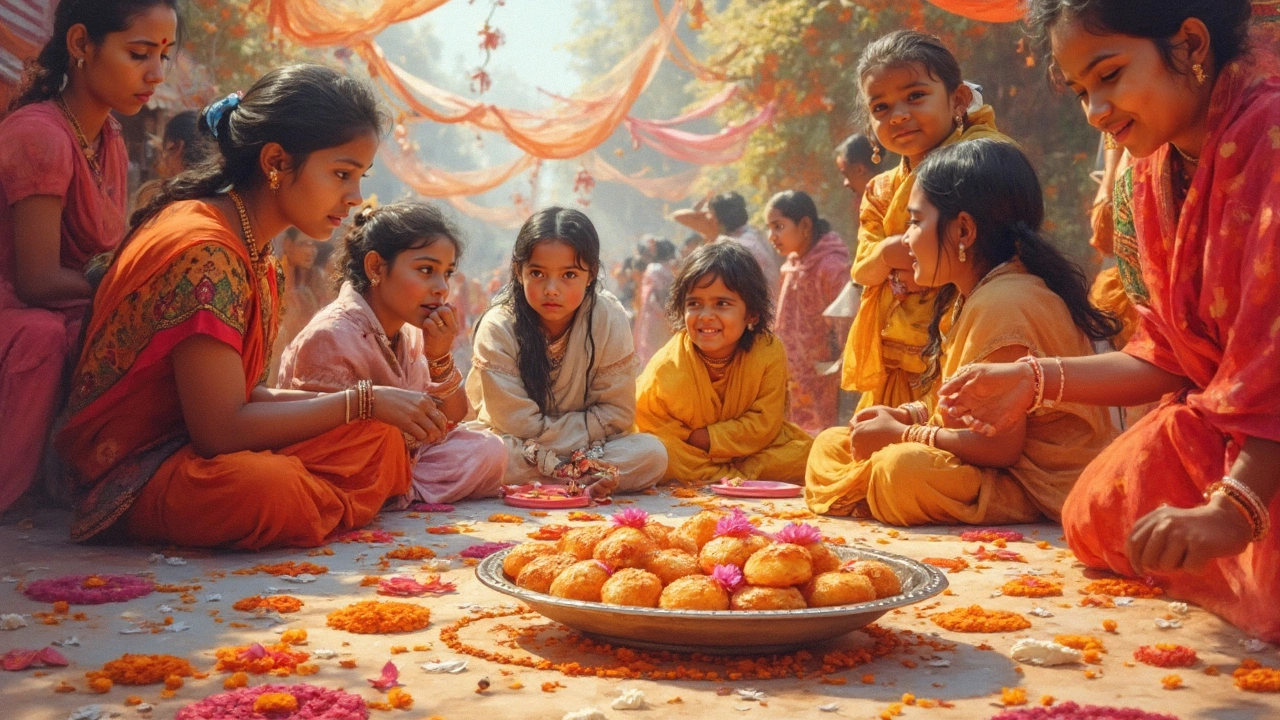
Why Hindus Give Sweets: A Delicious Tradition
Hindu culture is rich in traditions, and giving sweets holds a special place among them. Sweets are not just treats but are filled with symbolic meanings. From religious ceremonies to festivals, they bring people together and sweeten every celebration. This article explores why Hindus cherish this practice and offers insights into its deep-rooted significance.
View More