Healthy Legumes: Nutritious Indian Beans, Lentils, and Pulses You Can Eat Daily
When you think of healthy legumes, plant-based protein sources like lentils, chickpeas, and beans that are staples in Indian kitchens. Also known as pulses, they’re the quiet heroes behind most Indian meals—filling, affordable, and packed with nutrients that keep people energized all day. Unlike processed snacks or sugary breakfasts, legumes in India are rarely stripped of their natural goodness. They’re soaked, fermented, or slow-cooked to unlock every bit of nutrition, making them one of the most practical superfoods on the planet.
Indian cooking doesn’t treat legumes as an afterthought. lentils, small, dried seeds like masoor, toor, and moong that form the base of daily dal are cooked into comforting bowls of spiced broth, often served with rice or roti. chickpeas, known locally as chana, used in curries, salads, and roasted snacks show up in everything from street food to home dinners. And moong dal, a mild, easily digestible yellow lentil often turned into idli batter or light khichdi, is a go-to for kids, elders, and anyone recovering from illness. These aren’t trendy superfoods—they’re daily essentials, chosen for how well they work with Indian spices, digestion, and long workdays.
What makes Indian legumes special isn’t just their protein content—it’s how they’re paired. Fermented batters turn moong and urad dal into idlis that are low-glycemic and gut-friendly. Spices like cumin, turmeric, and asafoetida aren’t just for flavor; they help break down complex carbs and reduce bloating. Even the oil used in tadka is often minimal, keeping dishes light. You won’t find many Indians eating legumes straight from the can—every dish is made from scratch, with care for texture and digestibility.
And the results? People eat these meals daily without gaining weight, without needing supplements, and without feeling sluggish. That’s not magic—it’s smart food science built over centuries. If you’re looking to eat more plant-based protein without the fuss, Indian legumes offer a proven path. Below, you’ll find real recipes and comparisons that show exactly how to use them—whether you want a quick breakfast, a filling lunch, or a protein-rich snack that won’t crash your energy.
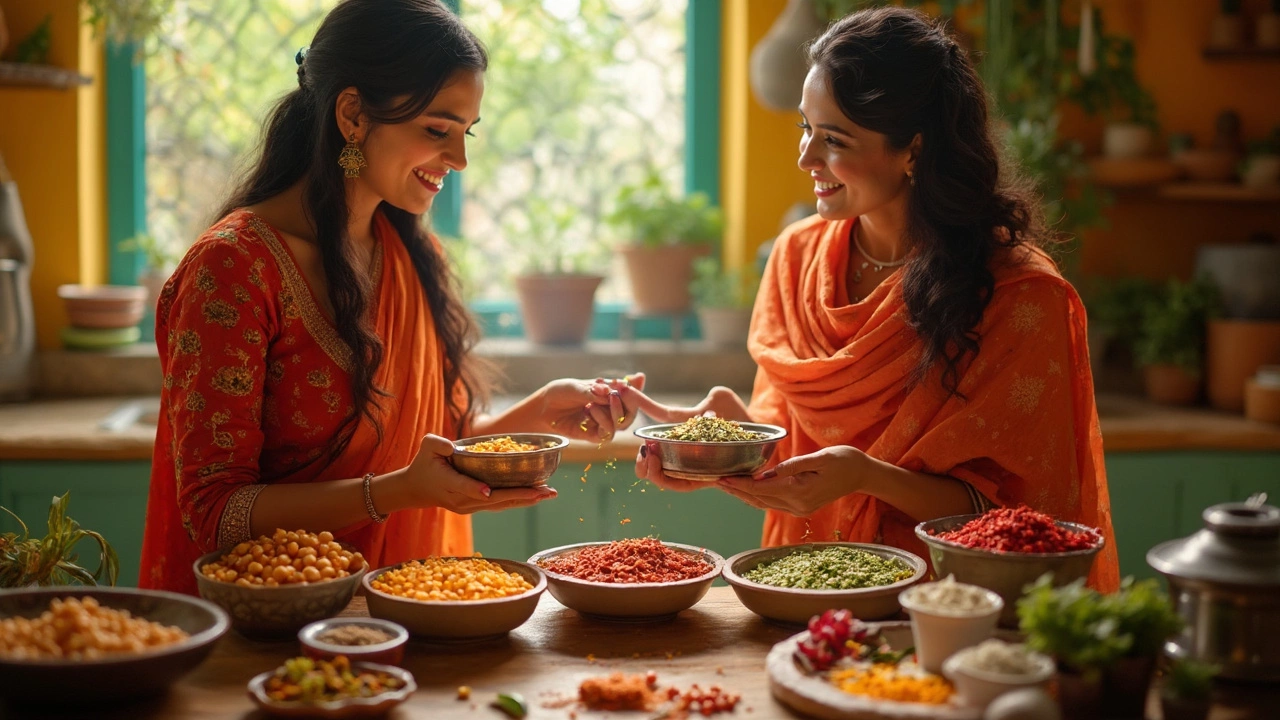
Chickpeas or Lentils: Which Dal Is Better For You?
Trying to decide between chickpeas and lentils for your next dal? This article digs into the real nutritional benefits and taste differences between the two. You'll get easy-to-understand facts about protein, fiber, and how each fits in daily meals. Plus, find cooking tips and quick recipe ideas that make them perfect for a busy day. Get ready to finally know which one works better for your health goals and your kitchen.
View More