Gut Health and Indian Food: How Traditional Meals Support Digestion
When it comes to gut health, the condition of your digestive system and the balance of good bacteria in your intestines. Also known as digestive wellness, it’s not just about avoiding bloating—it’s about how your body absorbs nutrients, fights inflammation, and even regulates mood. What most people don’t realize is that Indian cuisine has been quietly supporting gut health for centuries, long before probiotics became a trend.
Indian meals are built around fermented foods, natural processes that grow beneficial bacteria to improve digestion and immunity. Think idli and dosa batter left to sit overnight—this isn’t just tradition, it’s biology. Fermentation breaks down starches, makes nutrients easier to absorb, and floods your gut with good bacteria. Same goes for curd yogurt, which shows up in almost every Indian home, not just as a side but as a daily digestive aid. And it’s not just dairy: dishes like kanji (fermented carrot drink) and dhokla use natural fermentation to boost gut flora without any added sugars or preservatives.
Probiotics, live microorganisms that provide health benefits when consumed aren’t found in pills here—they’re in the food you eat every day. Indian kitchens don’t need fancy supplements. A simple bowl of dal tadka with a side of plain curd, or a plate of steamed idli with coconut chutney, gives you more live cultures than most store-bought yogurts. Add in spices like turmeric, cumin, and ginger—each known to reduce gut inflammation—and you’ve got a meal that doesn’t just taste good, it actively heals your digestive tract.
What’s surprising is how little added sugar and processed ingredients play a role. Unlike Western diets packed with refined carbs and artificial sweeteners, traditional Indian meals rely on jaggery, whole grains, and legumes. Even sweets like kheer use minimal sugar and are often made with soaked rice and milk that’s slowly cooked down—easier on the gut than a slice of cake. And let’s not forget the importance of eating warm, cooked food. Cold salads and raw veggies aren’t common in most Indian homes because warm food is easier to digest, especially when paired with digestive spices.
So when you hear someone say Indian food is heavy or spicy, they’re missing the point. The real secret isn’t the heat—it’s the balance. The way lentils are soaked, the batter is fermented, the spices are toasted, and meals are eaten slowly. These aren’t random habits—they’re time-tested methods to keep your gut happy. And if you’ve ever felt bloated after eating out, it’s probably not the curry—it’s the lack of fermentation, the overcooked vegetables, or the oil they drowned it in.
Below, you’ll find real recipes, comparisons, and tips from Indian kitchens that prove gut health doesn’t require a detox or a fancy diet. It just needs the right food, cooked the right way.
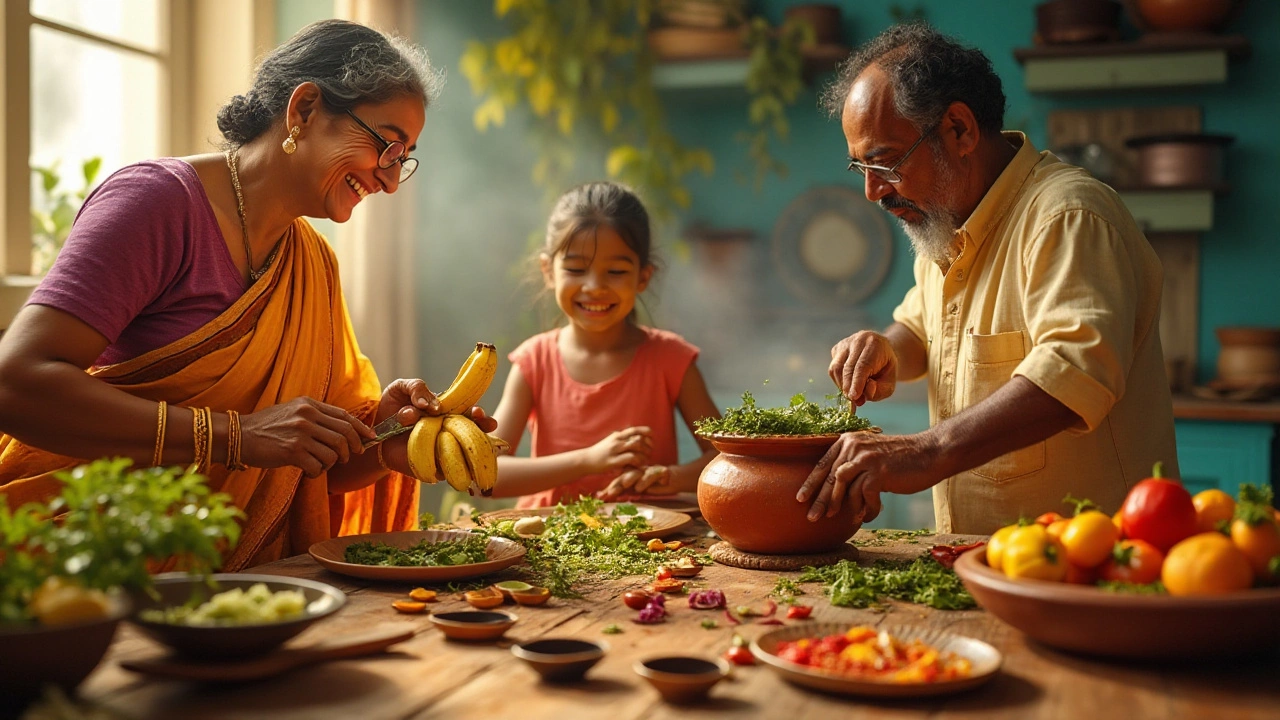
Bananas: The Secret Ingredient for Gut-Friendly Chutneys
Discover how bananas not only add flavor but also provide numerous benefits for gut health, especially when used in chutney recipes. Uncover their role as a natural prebiotic and explore simple ways to incorporate them into your meals. This article highlights why bananas are a staple for those aiming for a balanced digestive system while enjoying delicious homemade chutneys. Learn smart tips on enhancing your chutney recipes with this versatile fruit.
View More