Grainy Dosa Batter: Why It Happens and How to Fix It
When your grainy dosa batter, a thick, ground mixture of rice and lentils used to make crispy South Indian dosas. Also known as fermented rice-lentil batter, it should glide smoothly onto the griddle—not feel gritty or uneven. Most people think it’s just a mixing problem, but the real issue is often deeper. Graininess isn’t about how hard you blend—it’s about soaking time, fermentation, and the ratio of rice to urad dal. If your batter feels like coarse sand instead of silk, something in the process is off.
The urad dal, a black lentil essential for fluffy, airy dosas and idlis. Also known as black gram, it’s the secret behind the batter’s lift and smoothness. Too little of it, or if it’s not soaked long enough, and your batter won’t ferment properly. That means no bubbles, no rise, and no smooth texture. On the flip side, if you soak the rice too long, it breaks down too much and turns mushy. The magic happens when rice and dal are soaked separately—rice for 4 to 6 hours, dal for 2 to 3—then ground together just right. The water temperature matters too. Cold water slows fermentation; warm water (not hot) speeds it up just enough.
And then there’s the fermentation, the natural process where wild yeast and bacteria break down starches, making batter light and tangy. Also known as natural leavening, it’s what turns thick paste into airy, crisp dosa batter. If your kitchen is too cold—below 75°F—the batter won’t rise. No bubbles means no air pockets. No air pockets means a dense, grainy result. Try wrapping the bowl in a towel and leaving it near a warm oven or heater. It’s not magic, it’s just science. And if you’ve waited 12 hours and it’s still grainy? You might need to start over. But don’t throw it out. Mix in a tablespoon of cooked rice or a pinch of baking soda. It won’t be perfect, but it’ll still make a decent chutney-dipped snack.
What you’ll find in the posts below are real fixes from Indian homes—not theory, not restaurant tricks. You’ll see how people in Tamil Nadu adjust water ratios based on humidity, how Kerala cooks use leftover rice to soften batter, and why some swear by adding fenugreek seeds during soaking. You’ll also learn why idli batter and dosa batter aren’t the same, even though they start out identical. And if you’ve ever wondered why your dosa sticks or tears, there’s a post that breaks down the exact heat level and oil timing that makes the difference. No fluff. Just what works.
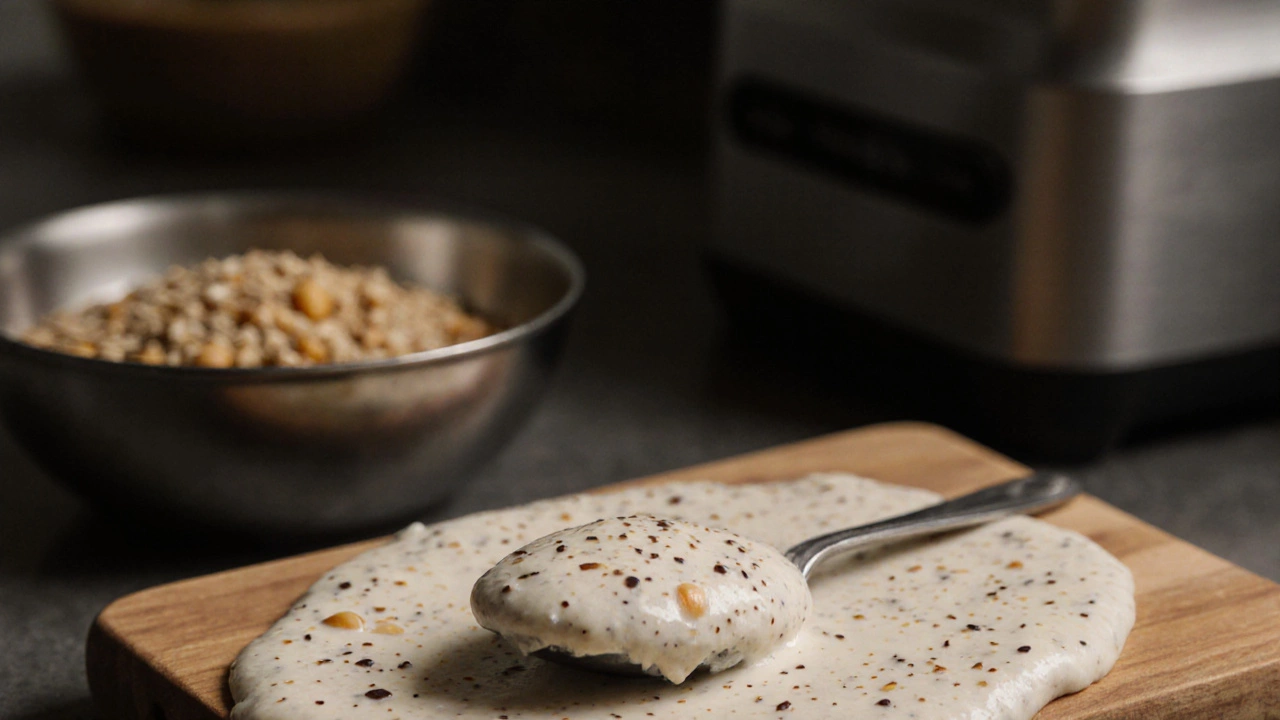
Is Grainy Dosa Batter Normal? Get the Perfect Smooth Texture
Learn why dosa batter can turn grainy, discover the main causes, and follow a step‑by‑step guide to achieve a smooth, perfectly fermented batter for crisp dosas.
View More