Food Safety in Indian Cooking: Protect Your Kitchen, Protect Your Health
When it comes to food safety, the practices that prevent illness from contaminated or improperly handled food. Also known as food hygiene, it’s not just about washing hands—it’s the invisible line between a delicious meal and a hospital visit. In India, where meals are made fresh daily and spices are ground in bulk, food safety isn’t a trend. It’s survival. Every time you soak lentils overnight, fry onions in hot oil, or leave yogurt out on the counter, you’re making choices that either protect or risk your health.
Take cross-contamination, when harmful bacteria spread from one surface or food to another. Think of it like this: if you cut raw chicken on the same board you use for your chutney, you’re not just mixing flavors—you’re mixing risks. That’s why Indian kitchens that know their stuff keep separate cutting boards for meat, veggies, and dairy. And it’s not just tools. spice storage, how dried spices are kept to prevent moisture, mold, and pests matters too. Turmeric in a damp jar? That’s not just losing color—it’s growing mold. In hot, humid climates, spices need airtight containers, away from the stove. Even something as simple as how you store rice—dry, cool, sealed—can stop weevils before they turn your pantry into a bug hotel.
Then there’s temperature control, keeping food out of the danger zone between 40°F and 140°F where bacteria multiply fast. You’ve probably seen street vendors leave dal out all day. It looks fine. It smells fine. But that’s exactly when bad bacteria are throwing a party. In homes, leftovers should cool fast—spread them in shallow containers, not buried in a big pot. And reheating? Don’t just warm it. Bring it to a rolling boil. That’s the only way to kill what’s hiding in there.
And let’s talk about water. In many parts of India, tap water isn’t safe for drinking, let alone washing vegetables. Rinsing spinach in untreated water? That’s how you bring giardia to dinner. Always use filtered or boiled water for washing produce—even if you’re peeling it. Salmonella doesn’t care if the outside looks clean.
What you’ll find in these posts isn’t theory. It’s what real Indian cooks have learned the hard way. From why you shouldn’t use citrus to make paneer (it’s not just about texture—it’s about pH and bacterial risk) to why you should never leave tandoori marinade out overnight, every article here is a lesson in keeping your food safe without losing flavor. You’ll learn what foods to avoid when traveling, how to spot bad oil or spoiled yogurt, and why fermentation—while natural—needs control. No scare tactics. Just clear, practical steps that fit into your daily rhythm.
Food safety in Indian kitchens isn’t about perfection. It’s about awareness. It’s knowing when to walk away from that tempting roadside samosa, when to toss that old turmeric, when to boil that water. These aren’t rules from a manual. They’re habits passed down, tested by time—and sometimes, by stomachaches. The posts below give you the tools to cook with confidence, not fear.
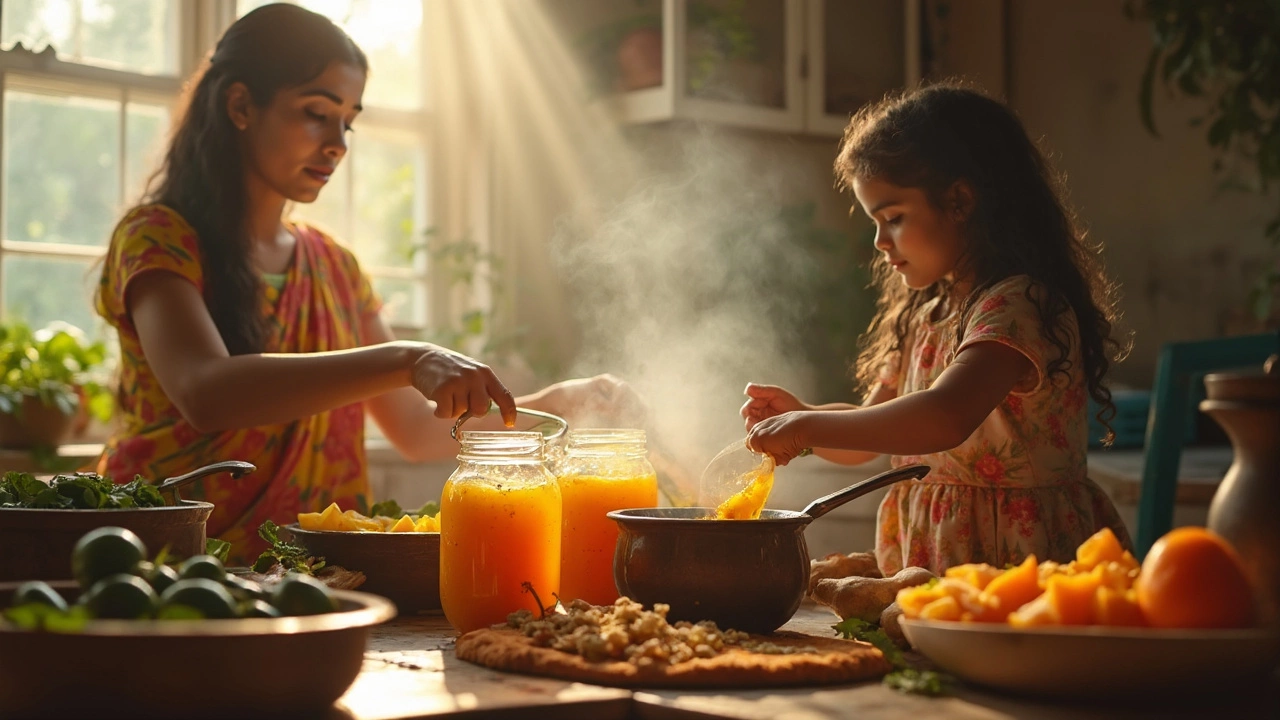
Do Chutneys Need to Cool Before Putting in Jars? What Every Home Cook Should Know
Ever wondered if you should let your homemade chutney cool before jarring? This article answers exactly that and breaks down the science behind cooling and jarring chutneys. Learn the do's and don'ts for safely storing chutney at home. You'll find tips for keeping your chutney fresh and tasty, and ways to prevent spoilage. Avoid common mistakes and step up your chutney game with practical advice.
View More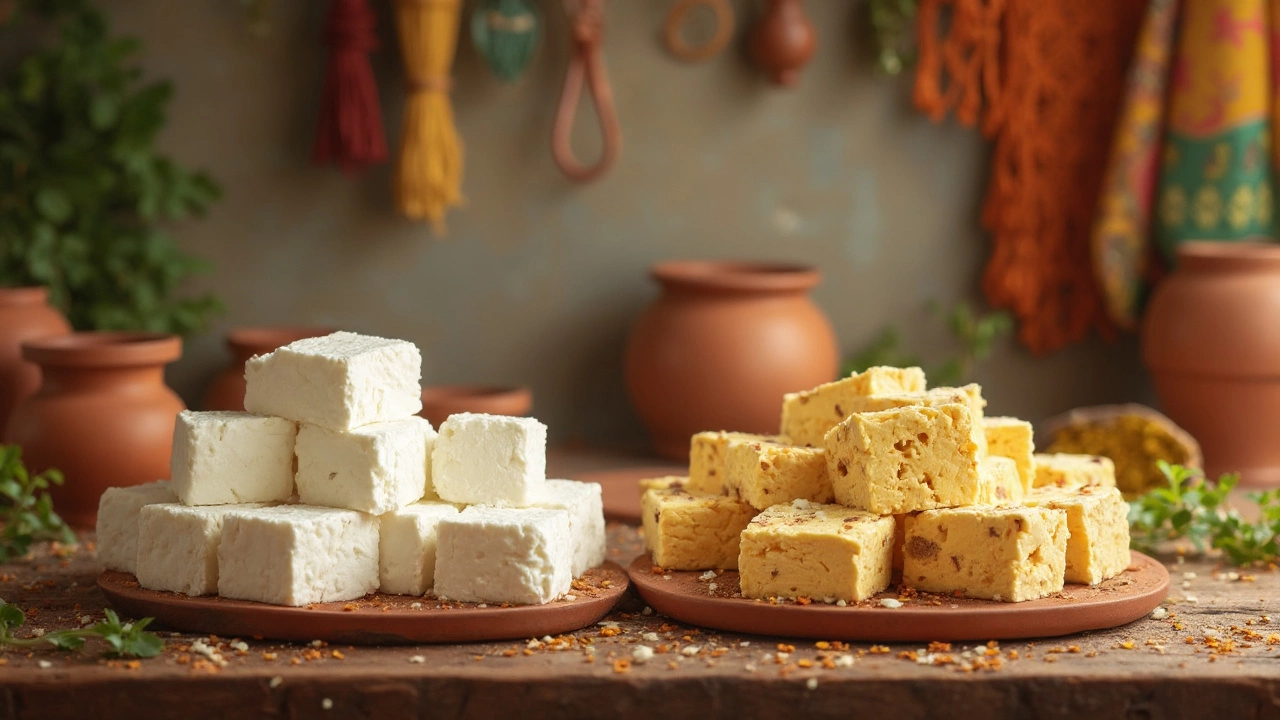
How to Know If Paneer Is Spoiled?
Paneer, the beloved cheese in many dishes, can sometimes spoil if not stored properly. Knowing how to spot spoiled paneer can save you from a culinary disaster. Look out for changes in smell, texture, and appearance, and learn safe storage practices to keep it fresh longer. This guide provides practical tips on identifying signs of spoilage and keeping your paneer in top condition.
View More