Fermented Dosa Batter: How It Works and Why It Matters
When you bite into a crisp, golden dosa, you’re not just eating a pancake—you’re tasting fermented dosa batter, a living mixture of rice and lentils transformed by natural bacteria over hours or days. Also known as dosa batter, it’s the foundation of one of India’s most beloved breakfasts, and its magic lies not in fancy ingredients, but in patience and science. This isn’t just a recipe. It’s a cultural tradition passed down through generations, where time and warmth turn plain rice and urad dal into something light, tangy, and full of life.
The same batter makes both idli and dosa, but the outcome changes based on how you cook it. idli, steamed rice cakes stay soft and spongy because they’re cooked gently with steam. dosa, thin, crispy pancakes spread on a hot griddle, get their crunch from direct heat and the air bubbles trapped during fermentation. The key to both? A well-fermented batter. If it’s too thick, your dosa won’t spread. If it’s not fermented enough, it’ll taste flat and heavy. Most home cooks in South India wait 8–12 hours, sometimes overnight, depending on the weather. In colder months, they wrap the bowl in a towel and place it near a warm stove. In summer, it might be ready in six hours.
Fermentation isn’t just about taste—it’s about nutrition. The bacteria that grow during this process break down starches and phytic acid, making the batter easier to digest and unlocking more nutrients. That’s why dosa and idli are often recommended for kids, the elderly, and people with sensitive stomachs. Even though they’re made from rice and lentils—foods many think are carb-heavy—the fermentation process turns them into something lighter and more digestible than plain rice. This is also why people who avoid dairy or gluten still rely on fermented dosa batter as a staple. It’s naturally vegan, gluten-free, and packed with probiotics.
What you won’t find in most store-bought mixes is the real thing: a slow, natural rise. Commercial brands often use yeast or chemical leavening agents to speed things up, but they miss the subtle tang and texture that only wild fermentation delivers. That’s why so many Indian households still grind their own rice and dal, soak them overnight, and let the batter sit on the counter like a quiet experiment. The smell changes—from plain and starchy to slightly sour and yeasty. The batter rises, bubbles form on top, and when you lift the spoon, it falls in slow ribbons. That’s when you know it’s ready.
You’ll see this process echoed across the posts below. From why idli is healthier than dosa to how fermentation affects digestion, and even how temperature impacts the rise, the collection here isn’t just about recipes—it’s about understanding the science behind a simple bowl of batter. Whether you’re trying to fix a flat dosa, wondering why your batter didn’t ferment, or just curious about how ancient methods still work today, you’ll find real answers here—not guesses, not shortcuts, but the kind of knowledge that comes from watching your grandmother stir the pot in the morning light.
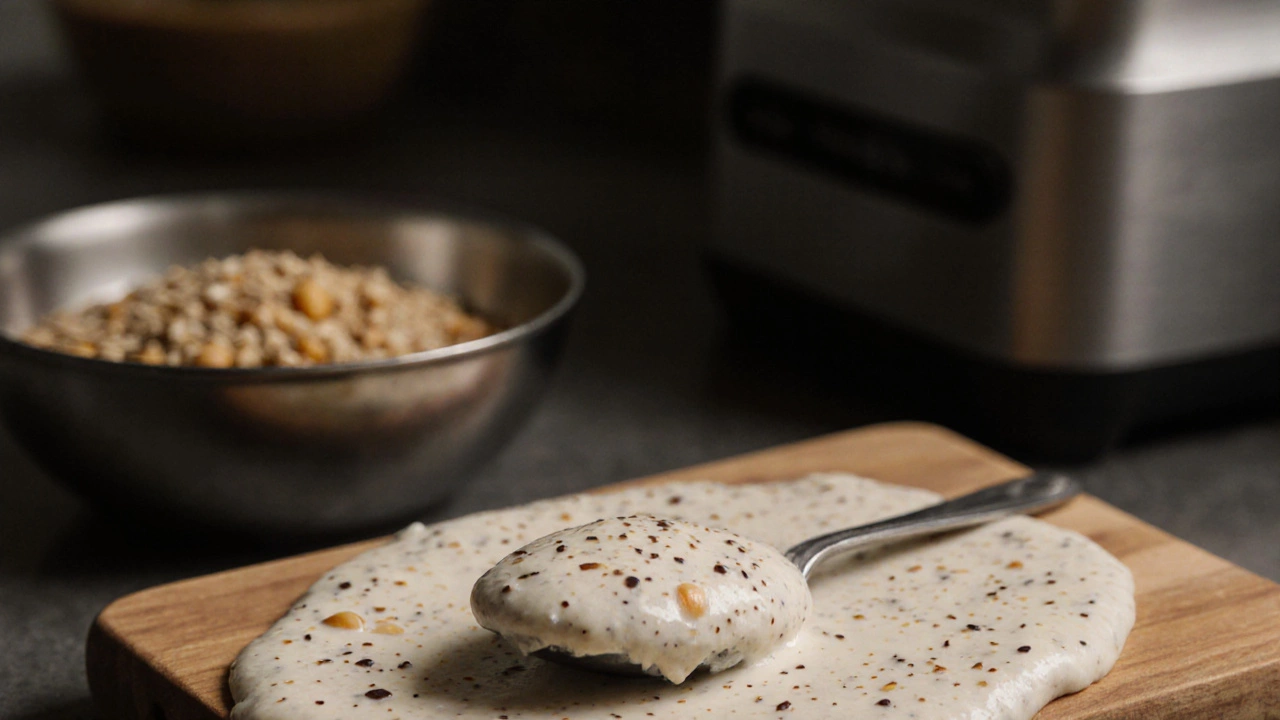
Is Grainy Dosa Batter Normal? Get the Perfect Smooth Texture
Learn why dosa batter can turn grainy, discover the main causes, and follow a step‑by‑step guide to achieve a smooth, perfectly fermented batter for crisp dosas.
View More