Eggs in Vegetarian Diet: Can You Eat Them and Still Be Indian Vegetarian?
When we talk about eggs in vegetarian diet, a debated topic in Indian households where vegetarianism often means avoiding meat but not always eggs. Also known as lacto-vegetarian, this eating style is deeply tied to culture, religion, and regional habits across India. Many people assume vegetarian means no animals—dead or alive. But in India, it’s more complicated. A strict Indian vegetarian, as defined by most families and religious traditions, excludes not just meat and fish, but also eggs. Why? Because eggs are seen as potential life, not just food. This isn’t about nutrition—it’s about purity, tradition, and belief.
That’s why you’ll find strict Indian vegetarian, a dietary practice followed by millions, especially in states like Gujarat, Rajasthan, and parts of Maharashtra. Also known as lacto-vegetarian, it allows dairy—milk, yogurt, ghee, paneer—but draws a hard line at eggs, poultry, and seafood. If you walk into a vegetarian restaurant in Delhi or Chennai, the menu won’t list egg dishes—not because they’re unhealthy, but because they break the rule. Even if you’re not religious, many Indian households follow this out of family tradition. It’s not about being vegan—it’s about what’s considered clean, non-violent, and spiritually neutral. Dairy is okay because it’s collected without killing the animal. Eggs? They’re linked to reproduction, and in many traditions, that crosses a line.
But here’s the twist: not everyone agrees. In urban areas, younger generations and health-focused eaters are rethinking this. Some argue that unfertilized eggs are no different from milk—both come from animals without killing them. Nutritionally, eggs pack protein, choline, and B12, which are harder to get from plant-based Indian foods alone. If you’re trying to build muscle, recover from illness, or just eat smarter, skipping eggs can make it harder to hit daily protein goals without relying on lentils and dairy all day. That’s why you’ll see more people asking: Is an egg really non-vegetarian? The answer depends on who you ask—and where you’re from.
Our collection below dives into the real rules of Indian vegetarianism, what foods are actually eaten daily, and how dairy-free, protein-rich, and low-spice meals fit into this world. You’ll find clear breakdowns of what’s allowed, what’s not, and why certain foods—like paneer or chutney—fly under the radar while eggs don’t. Whether you’re trying to eat like a traditional Indian family or just want to understand the logic behind the rules, these posts give you the facts without the fluff.
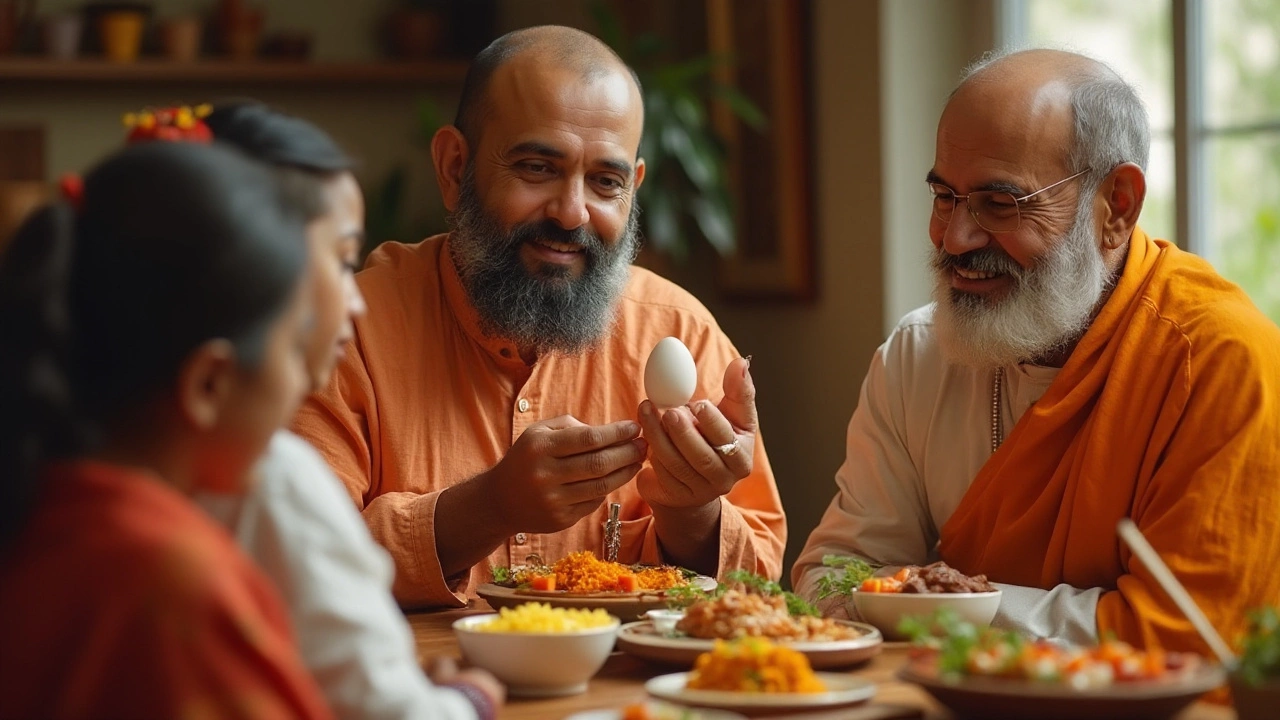
Do Indian Vegetarians Include Eggs in Their Diet?
Eggs are often considered a gray area in vegetarian diets, especially in India where dietary choices are deeply influenced by religion and tradition. This article explores the stance of Indian vegetarians on eating eggs and the various factors influencing their decision. It delves into the differences between ovo-vegetarians and traditional vegetarians, and the role of cultural values. The article also highlights some popular vegetarian dishes and the role eggs may or may not play in them.
View More