Dosa Batter Fermentation: How to Get Perfect Fermentation Every Time
When you mix rice and urad dal, soak them overnight, and let the batter sit for hours, you’re not just making food—you’re starting a dosa batter fermentation, the natural process where wild yeast and bacteria break down starches and sugars to create air, tang, and lift. Also known as lactic acid fermentation, it’s what turns a thick paste into light, fluffy dosas and crisp idlis. Without it, your batter stays dense, your dosas turn out rubbery, and you end up wondering why the restaurant version always tastes better.
That’s because fermentation, a biological process that transforms ingredients through microbial activity isn’t just magic—it’s science. The right temperature, the right ratio of rice to dal, and enough time are non-negotiable. In South India, kitchens rely on warm climates—often 28–32°C—for the batter to rise naturally. But if you live somewhere cooler, you need tricks: wrap the bowl in a towel, place it near a warm oven, or use a proofing box. Skipping these steps? You’ll get grainy batter, flat dosas, and disappointment.
And it’s not just about rising. dosa batter texture, the smoothness and consistency that determines how well the batter spreads and fries matters just as much. If your batter feels gritty, it’s not fermented enough—it’s under-blended. Most home cooks grind the rice and dal separately, then mix them. That’s fine, but you need to blend the dal until it’s fluffy and airy, almost like whipped cream. That’s where the lift comes from. And if you’ve ever added too much water, you’ve seen the result: a runny mess that won’t hold shape. The ideal batter should be thick enough to hold a spoon, but still pourable.
People also mix in fenugreek seeds or poha to help fermentation along. That’s not superstition—it’s tradition backed by chemistry. Fenugreek seeds release compounds that feed the good bacteria. Poha adds extra starch for the microbes to munch on. These aren’t optional extras—they’re tools. And if you’ve ever left your batter in the fridge? That’s a mistake. Cold kills the yeast. Fermentation needs warmth, not refrigeration.
You’ll find posts here that explain why your batter didn’t rise, how to fix grainy texture, and what to do if it smells sour but doesn’t puff up. Some posts compare dosa and idli batter, because they’re cousins—same base, different outcomes. Others show how to store fermented batter for later use without losing its magic. You’ll also see why citrus or vinegar can ruin the process if added too early, and how salt timing affects the final taste.
This isn’t about following a rigid recipe. It’s about understanding the rhythm of fermentation—how time, temperature, and ingredients dance together. Once you get it, you won’t need to follow a video or ask for help. You’ll just know when it’s ready. And that’s the real secret behind every perfect dosa.
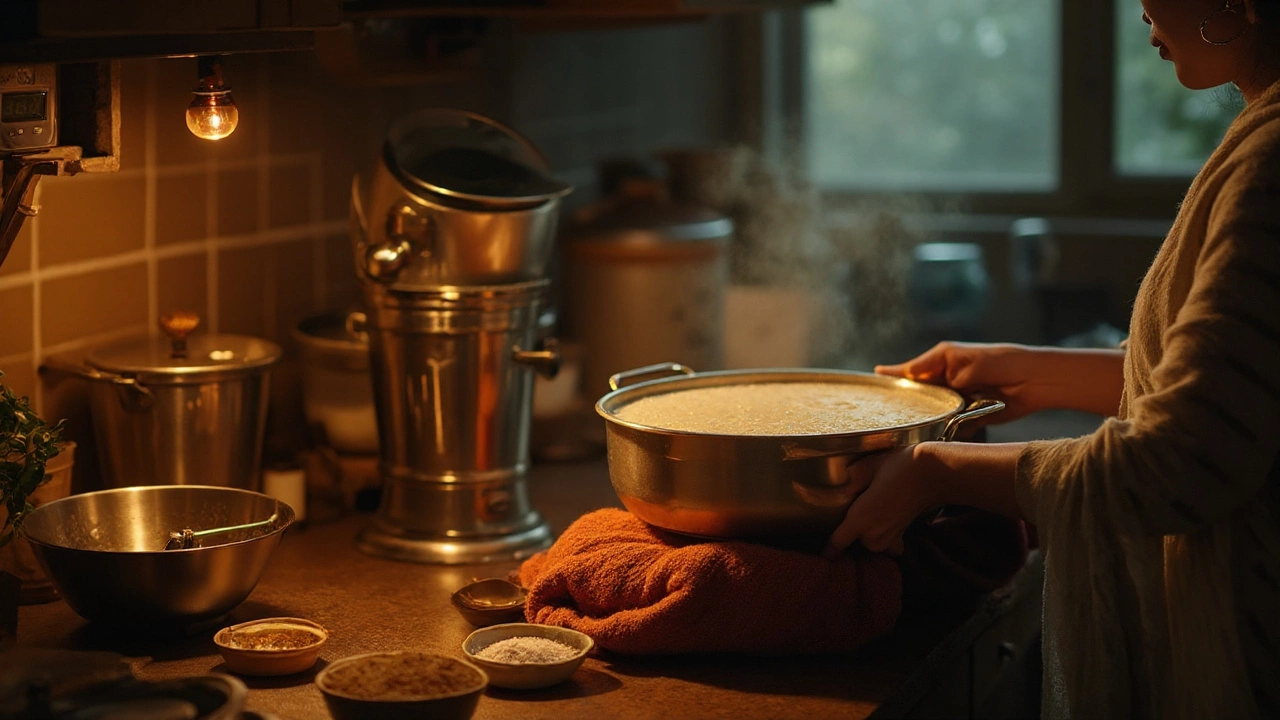
How to Ferment Dosa Batter Quickly (No Yeast): Fast, Reliable Methods That Work
Need dosa batter to ferment fast without yeast? Get proven ratios, temps, and warm-incubation hacks, plus Instant Pot, oven-light, and cold weather tips.
View More