Dosa: The Crispy South Indian Staple You Need to Know
When you think of dosa, a thin, crispy fermented crepe made from rice and lentils, commonly eaten for breakfast in South India. Also known as dosa pancake, it’s one of the most widely loved Indian foods — not just for its crunch, but because it’s naturally vegan, gluten-free, and packed with probiotics from fermentation. It’s not just a snack or side dish. Dosa is a daily ritual for millions, served with coconut chutney, sambar, and sometimes even potato curry. And while it looks simple, getting the batter right — smooth, airy, and perfectly fermented — takes more than just mixing ingredients.
What makes dosa different from its cousin idli, steamed rice and lentil cakes that are soft, fluffy, and often considered the healthier sibling of dosa? Both start with the same batter, but idli is steamed, while dosa is fried or cooked on a griddle with oil. That small change turns a light, low-fat breakfast into a crispy, golden treat. And yes, you can make dosa healthier — use less oil, ferment longer for better digestion, or swap white rice for brown rice. Many people don’t realize that the fermentation process itself boosts nutrients, breaks down starches, and makes the batter easier to digest. That’s why dosa is often recommended for sensitive stomachs, even in Ayurveda.
But here’s the thing: most home cooks struggle with grainy batter, flat dosas, or batter that doesn’t rise. It’s not magic — it’s science. Temperature, soaking time, and the ratio of rice to urad dal all matter. If your batter is too thick, your dosa will be chewy. Too thin, and it tears. And if you skip the overnight ferment? You’re just making a rice pancake, not a real dosa. That’s why posts like "Is Grainy Dosa Batter Normal?" and "Which is Healthier, Idli or Dosa?" exist — because people want to get it right, not just copy a recipe.
You’ll find real answers here — not just how to make dosa, but why certain steps matter. We’ll show you how to fix sour or over-fermented batter, what kind of pan works best, and why some people swear by fenugreek seeds in the mix. You’ll also see how dosa fits into the bigger picture of South Indian breakfasts — alongside idli, upma, and poha — and why it’s often the first thing tourists try when they visit Chennai or Mysore.
Whether you’re trying to eat more plant-based meals, looking for gluten-free options, or just want to understand why your dosa never turns out like the ones in Karnataka, this collection has what you need. No fluff. No theory. Just real tips, real mistakes, and real results from people who’ve cooked dosa every day for years.
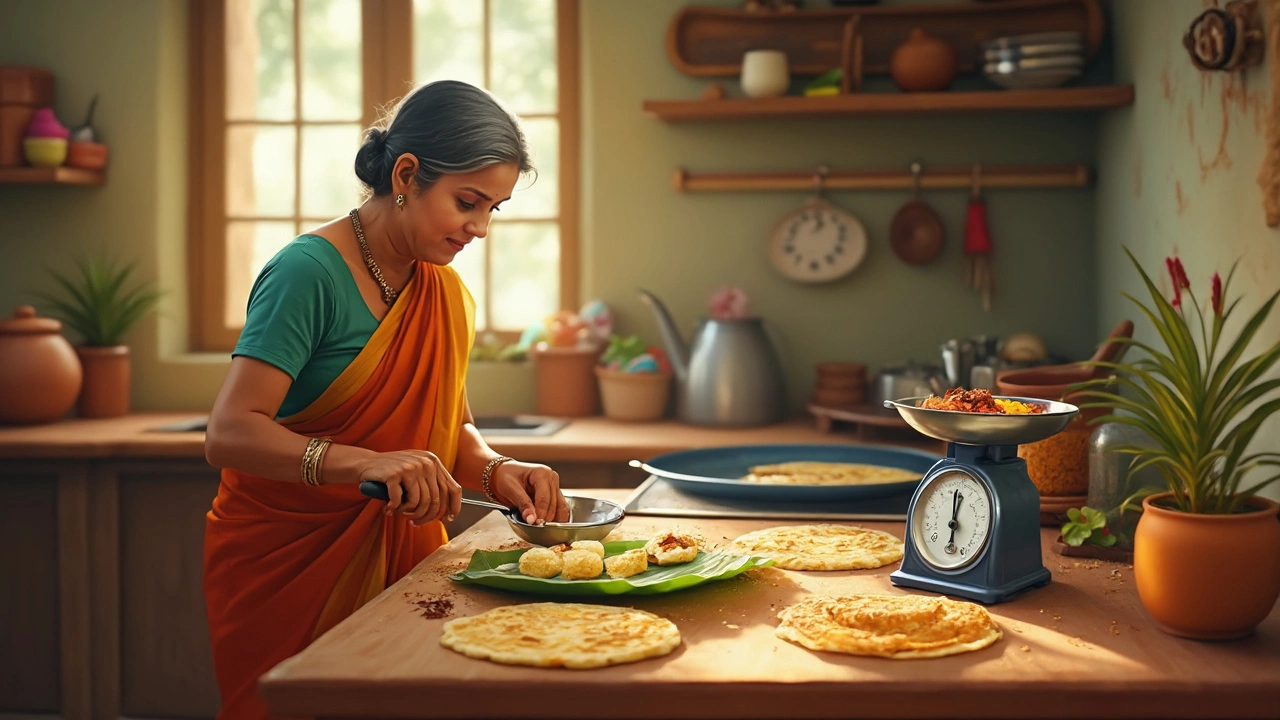
Can Diabetics Eat Idli and Dosa? Navigating Tasty Traditions with Care
Idli and dosa are beloved South Indian foods that many worry might not suit a diabetic diet. The good news? With careful planning, these tasty dishes can fit into a balanced eating plan. The key lies in understanding portion sizes, choosing the right ingredients, and balancing them with other foods. Discover how to enjoy these iconic dishes without compromising your health.
View More