Diabetes and Indian Food: What You Can Eat Without Spiking Blood Sugar
When you have diabetes, a condition where the body struggles to manage blood sugar levels. Also known as high blood sugar, it doesn’t mean giving up Indian food—it means choosing smarter versions of what you already love. Many people assume Indian meals are full of sugar and carbs, but that’s not true for most traditional plates. In fact, India has one of the lowest sugar consumption rates in the world, not because people avoid sweets, but because daily meals rarely include added sugar. Think idli, dal, chana, roti, and sabzi—not syrupy desserts at breakfast.
The real issue isn’t Indian food itself—it’s how it’s changed. Restaurants and packaged foods now add sugar, refined flour, and fried batter to make things taste better to more people. But if you stick to home-style cooking, you’re already ahead. Steamed idli is a low-glycemic carb. Fermented dosa batter digests slowly. Lentils like moong and toor are packed with fiber and protein. These aren’t just ‘healthy options’—they’re the original Indian way of eating. And studies show that diets based on whole grains, legumes, and spices like turmeric and cinnamon help regulate insulin better than processed alternatives.
What about sweets? You don’t need to ban them. Traditional Indian desserts like kheer made with jaggery and low-fat milk, or chana dal laddoos with minimal ghee, can fit in moderation. The key is portion control and avoiding refined sugar. Even butter chicken, often seen as indulgent, has no sugar in its base recipe—it’s the restaurant versions that sneak in sweet sauces. Stick to tandoori chicken, chana masala, or baingan bharta, and you’re eating food that naturally supports stable blood sugar.
Diabetes doesn’t mean you lose your culture—it means you reconnect with it. The meals your grandparents ate were designed for balance: slow-digesting carbs, healthy fats from mustard oil or ghee in small amounts, and spices that fight inflammation. You’ll find all of this in the posts below—real Indian breakfasts that won’t spike your glucose, dairy-free options that still taste rich, and snacks under 150 calories that actually satisfy. No gimmicks. No sugar substitutes that taste like chemicals. Just the real, regional food that’s been feeding India for centuries—and still can, if you know how to eat it right.
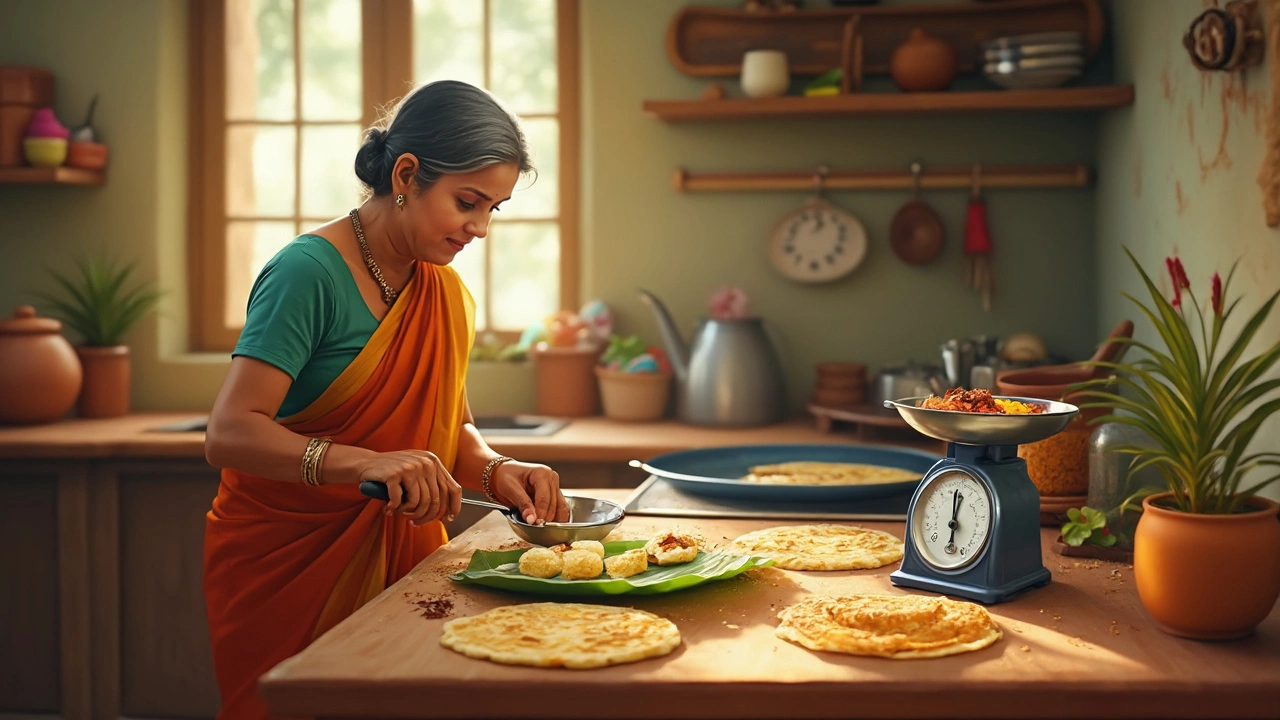
Can Diabetics Eat Idli and Dosa? Navigating Tasty Traditions with Care
Idli and dosa are beloved South Indian foods that many worry might not suit a diabetic diet. The good news? With careful planning, these tasty dishes can fit into a balanced eating plan. The key lies in understanding portion sizes, choosing the right ingredients, and balancing them with other foods. Discover how to enjoy these iconic dishes without compromising your health.
View More