Dal Recipes: Simple, Nutritious Indian Lentil Dishes You Can Make Tonight
When you think of dal, a staple lentil dish in Indian households made from split pulses and seasoned with spices. Also known as lentil curry, it’s the everyday comfort food that feeds families across India—from busy Mumbai kitchens to quiet villages in Uttar Pradesh. Dal isn’t fancy. It doesn’t need fancy ingredients. Just lentils, water, a pinch of turmeric, and a tempering of cumin, garlic, and dried chilies. That’s it. And yet, it’s the most eaten dish in India, served with rice, roti, or even eaten alone when you need something warm and soothing.
What makes dal so powerful isn’t just how easy it is to make—it’s how adaptable it is. moong dal, a mild, yellow lentil that cooks fast and digests easily. Also known as split mung beans, it’s the go-to for babies, sick days, and anyone avoiding heavy meals. Then there’s toor dal, the golden lentil behind the iconic dal tadka. Also known as pigeon pea, it’s the backbone of South Indian lunches and the reason your grandma’s kitchen always smelled like cumin and fried garlic. These aren’t just ingredients—they’re cultural anchors. You’ll find dal in hospital meals, temple offerings, and wedding feasts. It’s the dish that stays on the table no matter the occasion.
And here’s the truth: most people think dal is boring because they’ve only had it bland. But the real magic happens in the tarka—the hot oil splash with mustard seeds, curry leaves, and red chilies. That’s when plain lentils turn into something alive. You don’t need fancy gadgets. A pot, a stove, and 20 minutes are all you need. And if you want it lighter? Skip the ghee. Want it richer? Add a spoon of tomato paste. Want it protein-packed? Mix in some spinach or kale. Dal doesn’t fight you. It listens.
The posts below show you exactly how Indians make dal at home—no shortcuts, no gimmicks. You’ll find the mildest version for kids, the spiciest for bold palates, and the healthiest for weight-conscious eaters. Some are cooked in pressure cookers, others slow-simmered for hours. Some use dried chilies, others fresh green ones. One even explains why you shouldn’t use citrus to cook dal (yes, that’s a thing). Whether you’re new to Indian food or you’ve been eating it your whole life, there’s a dal here that’ll feel like home.
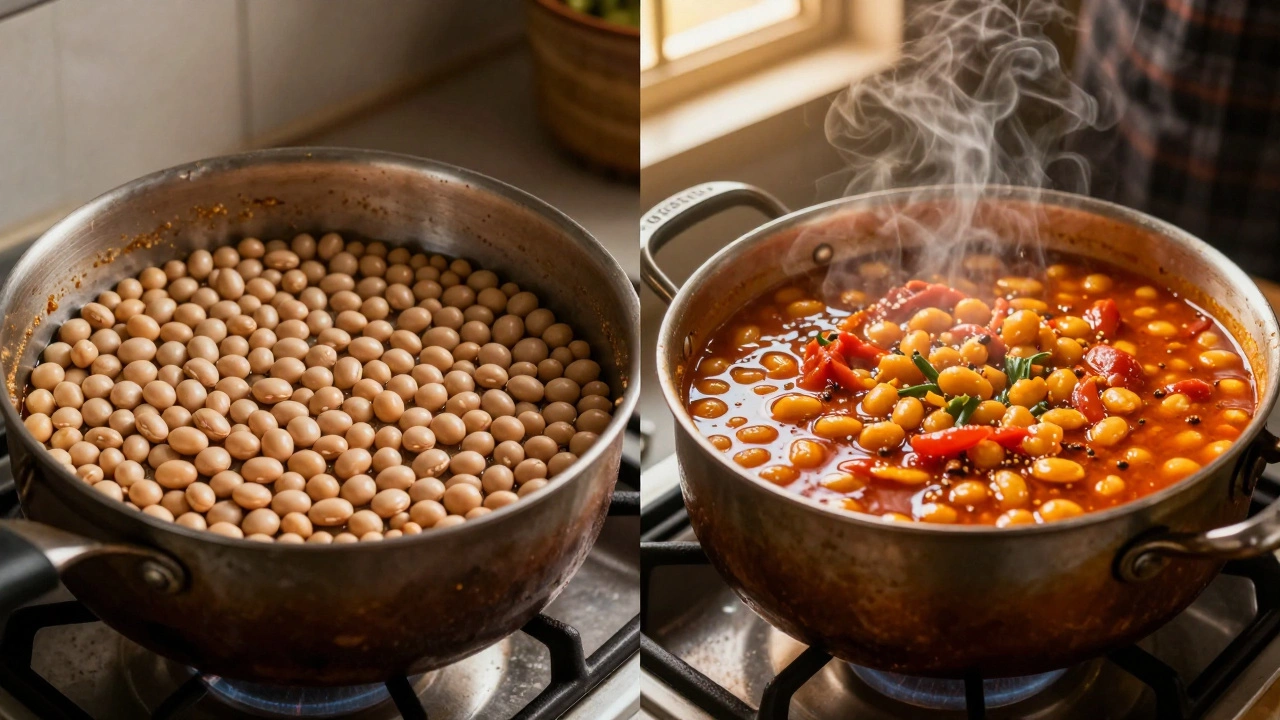
Which Pulses Need Soaking? A Simple Guide for Dal Recipes
Not all pulses need soaking - but knowing which ones do can save you time and prevent digestive issues. Learn which lentils and beans to soak for perfect dal every time.
View More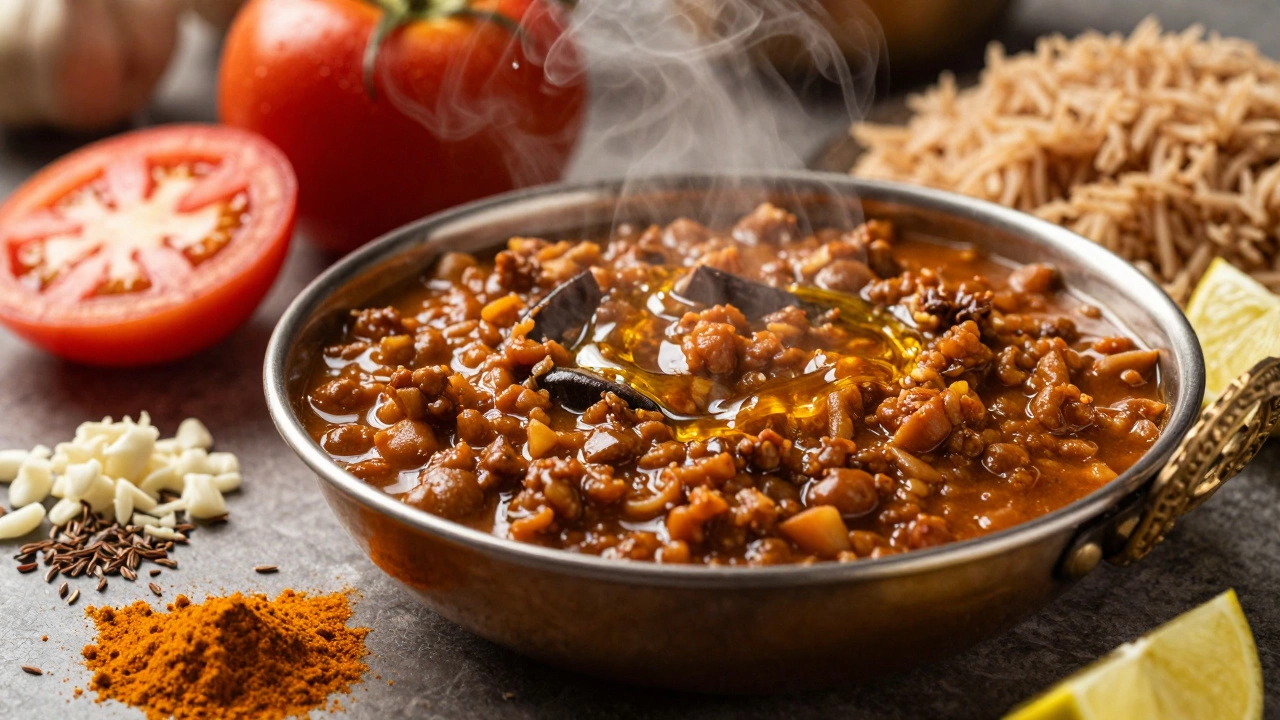
Is Daal Anti-Inflammatory? The Science Behind This Everyday Indian Staple
Daal isn't just a comfort food-it's a powerful anti-inflammatory powerhouse. Packed with fiber, polyphenols, and plant protein, daily daal consumption can reduce joint pain, stabilize blood sugar, and support gut health. Science backs what grandmothers have always known.
View More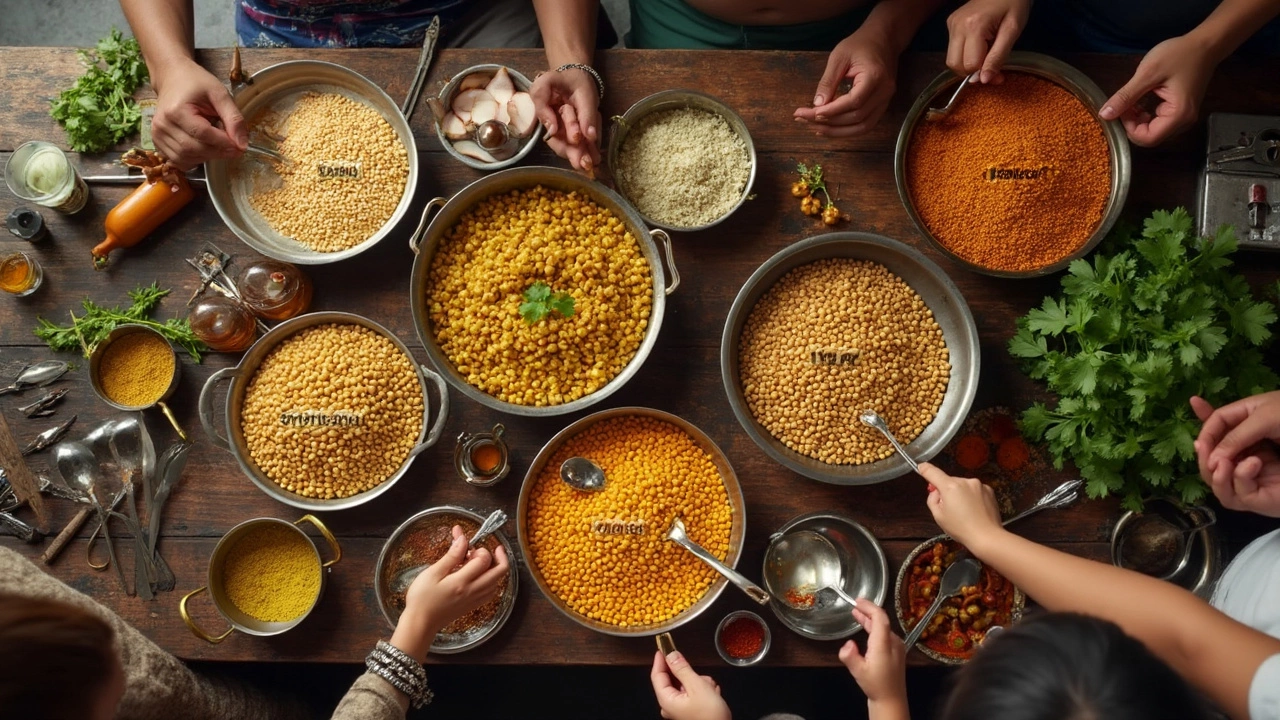
Which Dal Has the Highest Protein? The Ultimate Guide for Simple Dal Recipes
Curious about which dal delivers the most protein to your plate? This guide breaks down the top contenders, using straight facts and zero fluff. Find out why protein matters in dal, how different dals stack up, and which ones work best for tasty, easy recipes. Plus, get savvy tips for boosting your daily protein using simple, affordable ingredients. Perfect for anyone looking to add more muscle power to their vegetarian meals.
View More