Dal Recipe: Simple, Healthy, and Traditional Indian Lentil Dishes
When you think of dal, a comforting, protein-rich lentil dish central to Indian meals. Also known as lentil curry, it’s the quiet hero of every Indian kitchen—eaten daily, passed down through generations, and loved for its simplicity and nourishment. Dal isn’t just food. It’s a daily ritual. Whether it’s a quick bowl of yellow moong dal for breakfast or a rich, spiced masoor dal for dinner, this dish is the backbone of Indian vegetarian eating. It’s cheap, it’s filling, and it’s packed with plant-based protein—perfect for busy families, health-conscious eaters, and anyone who wants real flavor without fuss.
Dal recipes vary wildly across India. In the north, you’ll find dal tadka, a lentil dish tempered with cumin, garlic, and dried chilies in hot ghee, where the sizzle of spices makes all the difference. In the south, sambar, a tangy, tamarind-based lentil stew with vegetables and curry leaves, is served with rice or idli. Meanwhile, in the east, masoor dal, a red lentil dish cooked with minimal spices and finished with a touch of mustard oil is eaten plain, letting the earthy taste of the lentils shine. Each version is different, but they all share one thing: they’re made with patience, not perfection.
You don’t need fancy ingredients to make great dal. Just lentils, water, salt, turmeric, and a few basic spices. The magic happens in the tempering—the hot oil with mustard seeds, curry leaves, or asafoetida that’s poured over the cooked lentils. That’s what turns plain dal into something unforgettable. And if you’re watching your health, dal is one of the few Indian dishes that fits right in. It’s low in fat, high in fiber, and naturally gluten-free. Pair it with rice or roti, and you’ve got a complete meal that keeps you full for hours without weighing you down.
What you’ll find below isn’t just a list of recipes. It’s a collection of real, tested, everyday dal dishes—some mild enough for kids, others bold enough for spice lovers. You’ll see how dal ties into breakfasts, lunches, and even snacks. You’ll learn why some dals are served with rice and others with parathas. You’ll discover how fermentation, soaking, and cooking time change the texture and nutrition. And you’ll find out why, despite all the fancy curries out there, dal remains the most eaten Indian dish in homes across the country.
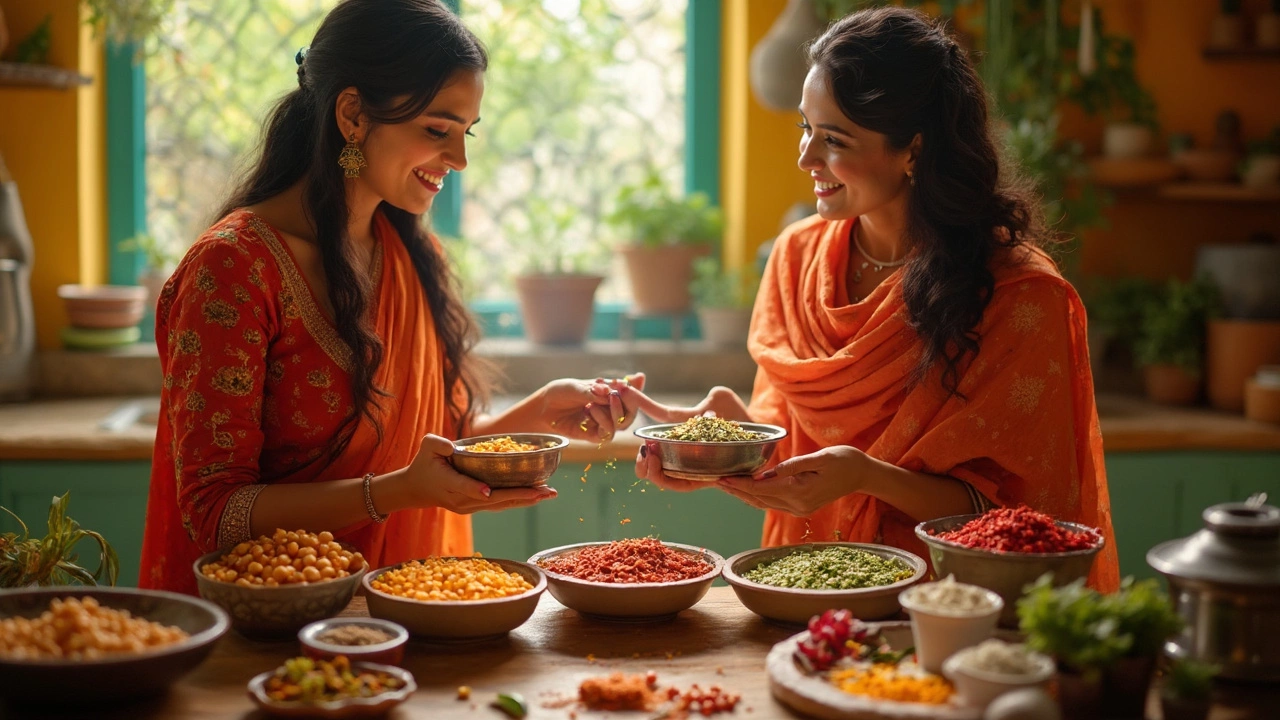
Chickpeas or Lentils: Which Dal Is Better For You?
Trying to decide between chickpeas and lentils for your next dal? This article digs into the real nutritional benefits and taste differences between the two. You'll get easy-to-understand facts about protein, fiber, and how each fits in daily meals. Plus, find cooking tips and quick recipe ideas that make them perfect for a busy day. Get ready to finally know which one works better for your health goals and your kitchen.
View More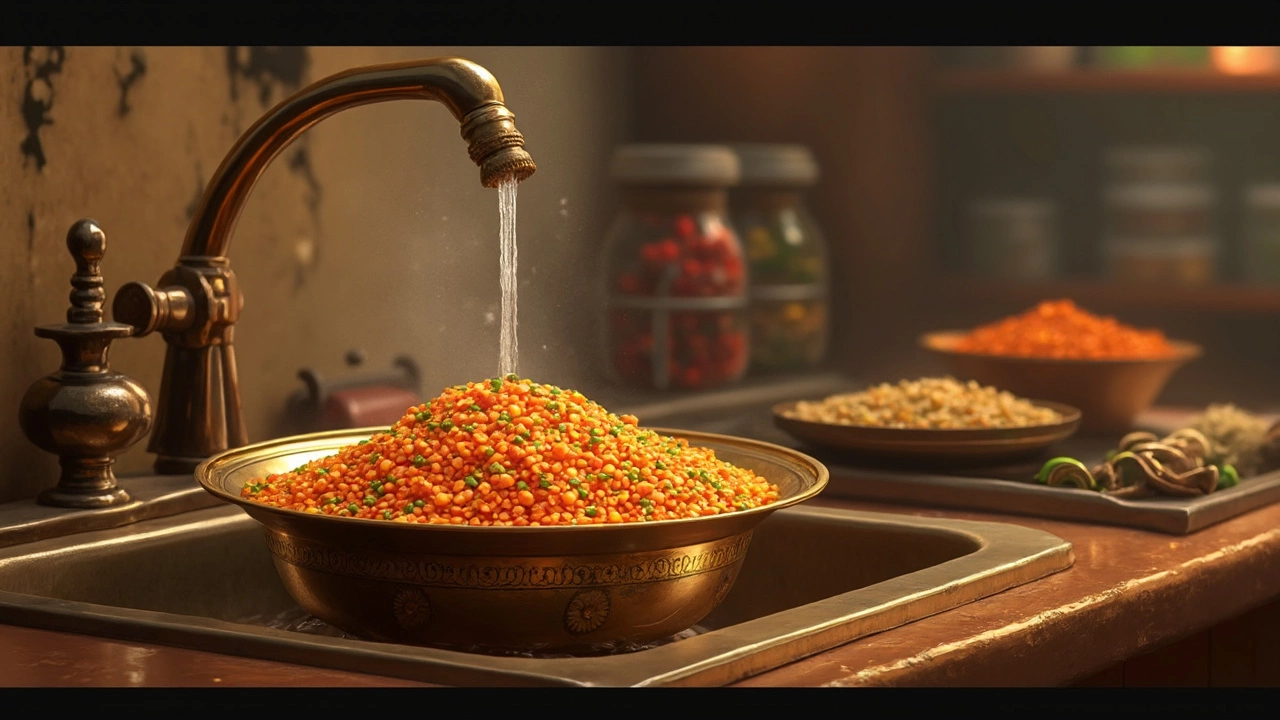
Why You Shouldn't Skip Rinsing Lentils
Rinsing lentils is essential to ensure they are clean and free from debris before cooking. Skipping this step can lead to gritty textures and unwanted dirt in your dish. Rinsing also reduces compounds that cause digestive discomfort, making your meal more enjoyable. This process is quick and makes a real difference in flavor and texture. Don't overlook this small but crucial step when making your favorite dal.
View More
Water to Dal Ratio: Simple Tips for Perfect Dal Every Time
Learn how to master the art of cooking dal by understanding the perfect water to dal ratio. This article offers practical tips, interesting facts, and easy steps for making dal that's flavorful and just the right texture. Whether you're a beginner or experienced cook, discover how you can enhance your dal dishes effortlessly.
View More