Dal: The Heart of Indian Meals and Why It’s So Much More Than Just Lentils
When you think of dal, a simple, slow-cooked lentil dish that forms the backbone of Indian meals. Also known as dhal, it’s the quiet hero of every Indian kitchen—eaten by farmers in Punjab, city workers in Mumbai, and grandmothers in Tamil Nadu alike. This isn’t fancy food. It’s not served on white linen. It’s served hot, spooned over rice or smeared on roti, and eaten with bare hands. And yet, it’s the most consistent, most loved, and most nutritious dish in the country.
Dal isn’t one thing. It’s a whole family. Moong dal, made from split yellow mung beans, cooks fast and sits gently on the stomach. Toor dal, the golden lentil used in sambar and dal tadka, has a nutty depth that lingers. Then there’s masoor dal, the rusty red lentil that turns creamy with a pinch of cumin. Each type has its own region, its own recipe, its own rhythm. You’ll find moong dal in weight-loss meals, toor dal in temple prasad, and masoor dal in hospital diets. It’s the only food that fits every need—quick, cheap, healing, filling.
What makes dal so powerful isn’t just the lentil. It’s what’s done to it. A splash of mustard seeds crackling in ghee. Garlic and dried red chilies sizzling in oil. Turmeric for color, cumin for warmth, asafoetida to cut through heaviness. This is dal tadka—the final act that turns plain lentils into something alive. It’s why you can’t just boil lentils and call it dal. The tempering isn’t a garnish. It’s the soul.
You’ll see dal pop up in posts about healthy Indian food because it’s one of the few dishes that’s naturally low in fat, high in protein, and packed with fiber. It’s why doctors recommend it for kids, elders, and anyone trying to eat better without giving up flavor. It’s also why you’ll find it in dairy-free Indian meals—no cream, no butter, just lentils and spices. Even when people avoid sugar, dairy, or gluten, dal stays. It doesn’t ask for permission. It just shows up.
And it’s not just about nutrition. Dal is memory. The smell of it simmering on a stove. The way it thickens as it cools. The sound of the spoon scraping the bottom of the pot. It’s the dish your mom made when you were sick. The one your grandma served with a dollop of ghee on top. It’s the reason you can’t find an Indian household without a bag of lentils in the cupboard.
Below, you’ll find real stories from real kitchens—how to make dal that doesn’t taste bland, which lentils work best for weight loss, why some people avoid certain types, and how even the mildest dal can carry deep flavor. No fluff. No fancy terms. Just what works, day after day, across India.
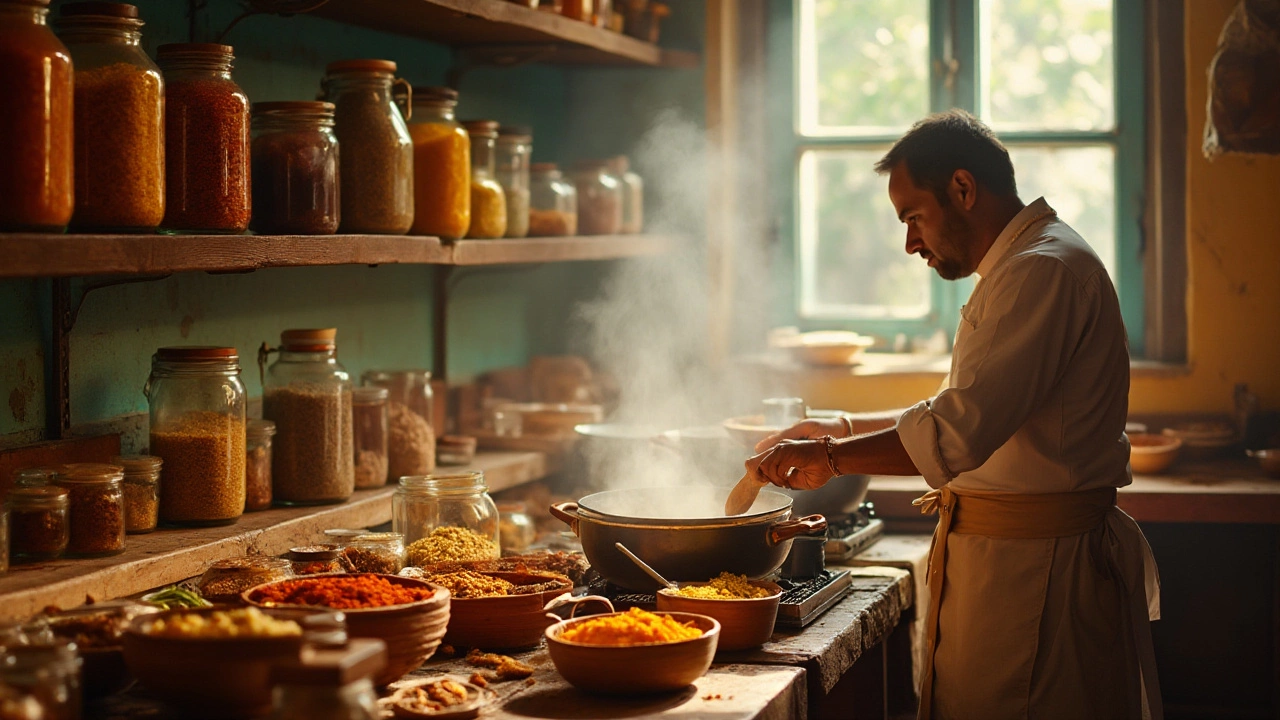
Discovering the American Name for Dal: A Simple Recipe Guide
Americans often refer to 'dal' as lentils, a staple legume in Indian cuisine known for its rich flavor and nutritional benefits. This article explores the various types of dal recognized in American households, how it integrates into Western dishes, and provides a simple yet delicious dal recipe. Whether reimagined in a soup or served as a hearty side dish, dal has gained popularity in American cooking. Readers will gain insights into preparing dal to suit diverse palates.
View More