Curry Recipe: Authentic Indian Curries Made Simple
When you think of a curry recipe, a spiced, slow-simmered dish with vegetables, meat, or legumes, often served with rice or bread. Also known as Indian stew, it’s not one single thing—it’s hundreds of regional variations, each shaped by local ingredients, traditions, and heat levels. Most people outside India picture a thick, orange sauce with chicken, but real Indian curries range from watery lentil soups to dry, smoky meat dishes. The magic isn’t in a single spice blend—it’s in how you layer flavors: toasted cumin, fried mustard seeds, garlic-ginger paste, and slow-cooked tomatoes all play different roles.
What makes an Indian chicken curry, a rich, aromatic dish where tender chicken simmers in a spiced tomato-onion gravy different from a vegetarian curry, a dish built on lentils, chickpeas, or vegetables with minimal dairy, often using tamarind or coconut for depth? It’s not just the protein. Chicken curries usually start with yogurt or cream for tenderness, while vegetarian ones rely on lentils for body and tamarind for tang. You’ll find both in the posts below—some use coconut milk from Kerala, others use yogurt from Punjab. None use pre-made curry powder. Real Indian kitchens toast whole spices like coriander, fenugreek, and dried chilies fresh for every batch.
And here’s the truth: most Indian households don’t call their food "curry." They say "dal" for lentils, "saag" for greens, "korma" for creamy dishes, or just name the main ingredient—"chicken masala," "paneer bhurji." The word "curry" is a colonial label that lumps everything together. But if you’re looking for the recipes that actually get made at home—day after day, week after week—you’ll find them here. These aren’t restaurant versions with extra butter. These are the dishes that feed families, get reheated for lunch, and taste better the next day.
Some of the posts below show you how to make butter chicken—the dish that dominates global menus—not because it’s the spiciest, but because it’s balanced. Others show you how to make a simple moong dal khichdi that’s mild enough for kids, or a fiery Andhra tomato curry that packs heat without cream. You’ll learn why yogurt matters in marinating, why you shouldn’t skip the mustard seeds, and how to fix a curry that’s too thick or too thin. No fancy tools. No hard-to-find ingredients. Just real techniques used by cooks across India.
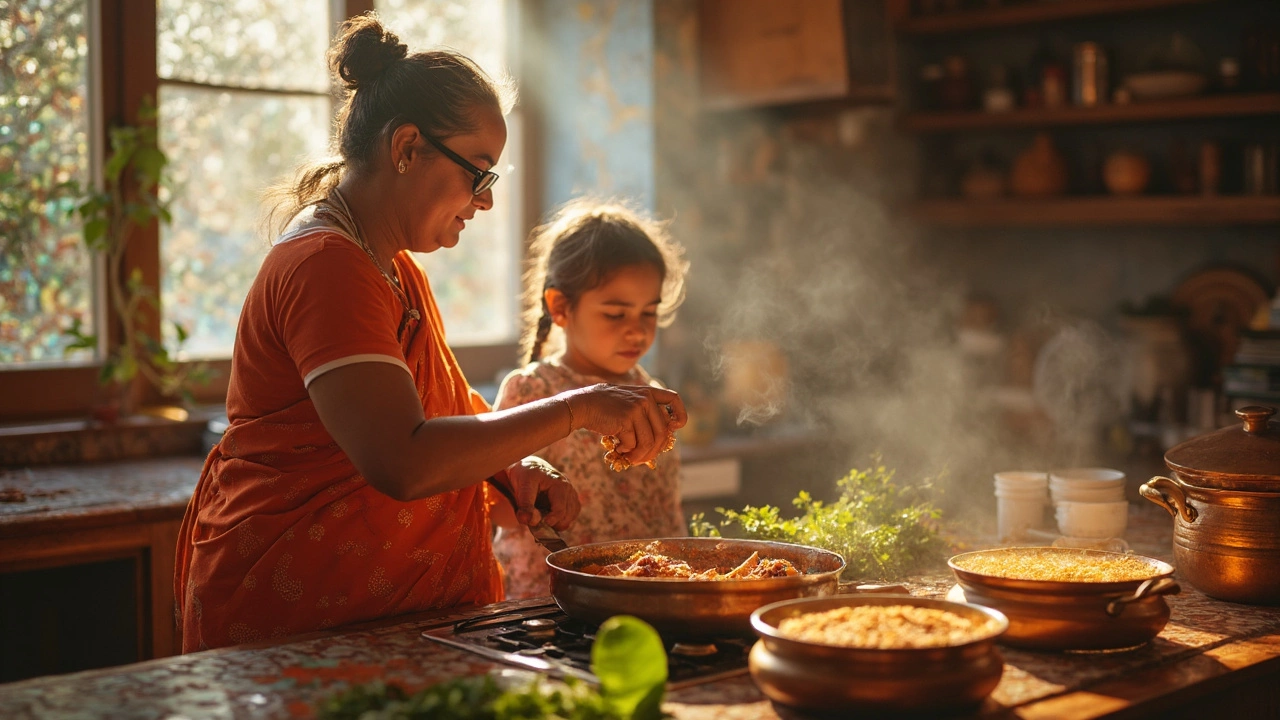
Curry’s Secret Ingredient: What Makes Chicken Curry Addictive?
Chicken curry can taste wildly different from kitchen to kitchen, but that 'something special' flavor keeps people hooked. This article digs into what really makes a curry unforgettable, busting myths about magic powders and uncovering the true secret ingredient. You’ll get practical tips for recreating restaurant-level curry at home. It’s time to find out what you’ve been missing when your curry tastes just 'okay.' Get ready to take your chicken curry to the next level.
View More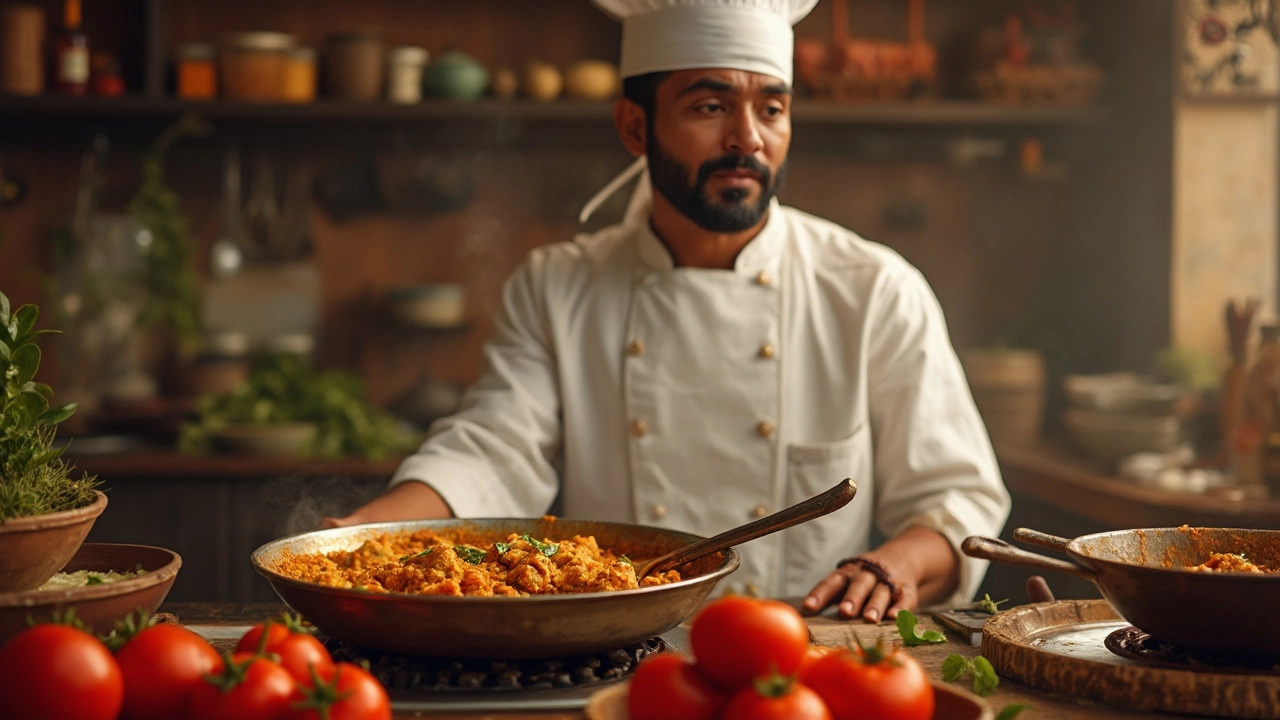
When to Add Chopped Tomatoes to Chicken Curry
Timing is everything when adding chopped tomatoes to chicken curry. To achieve the perfect flavor and texture, knowing when to incorporate tomatoes can make or break your dish. Whether you're aiming for a tangy kick or a smooth base, this guide will help you make the right choice. Dive into tips and facts that will elevate your curry cooking experience.
View More