Curry Powder Substitute: Best Alternatives for Indian Flavors
When you reach for curry powder, a Westernized blend of ground spices often used to mimic Indian flavors. Also known as Indian spice mix, it's rarely what you'll find in an Indian kitchen. Real Indian cooking doesn't use pre-mixed curry powder—it builds flavor layer by layer with whole spices toasted and ground fresh. That’s why a curry powder substitute isn’t just a swap—it’s a upgrade.
Instead of that dusty jar from the back of your shelf, try combining garam masala, a warm, aromatic blend used in North Indian households with turmeric, the golden root that gives curries their color and earthy depth, and a pinch of cumin, a seed that adds smoky warmth to everything from dals to vegetables. These aren’t random spices—they’re the foundation of most Indian curries. Skip the pre-mixed stuff. Toast cumin and coriander seeds yourself, grind them, then mix with turmeric, fenugreek, and a little chili. You’ll taste the difference in seconds.
Why does this matter? Store-bought curry powder loses its punch in months. Freshly ground spices bloom when hit with hot oil—they release oils that turn bland food into something alive. That’s why recipes here use whole spices, not powders. You’ll find this in every post below: real Indian cooking doesn’t rely on shortcuts. Whether you’re making a simple dal or a rich butter chicken, the magic starts with what’s in your spice rack—not what’s in the aisle.
Below, you’ll find posts that show you exactly how to build flavor the Indian way—from the right spice ratios to how to fix a bland curry, what to use instead of ghee, and why yogurt matters more than you think. No fluff. Just what works.
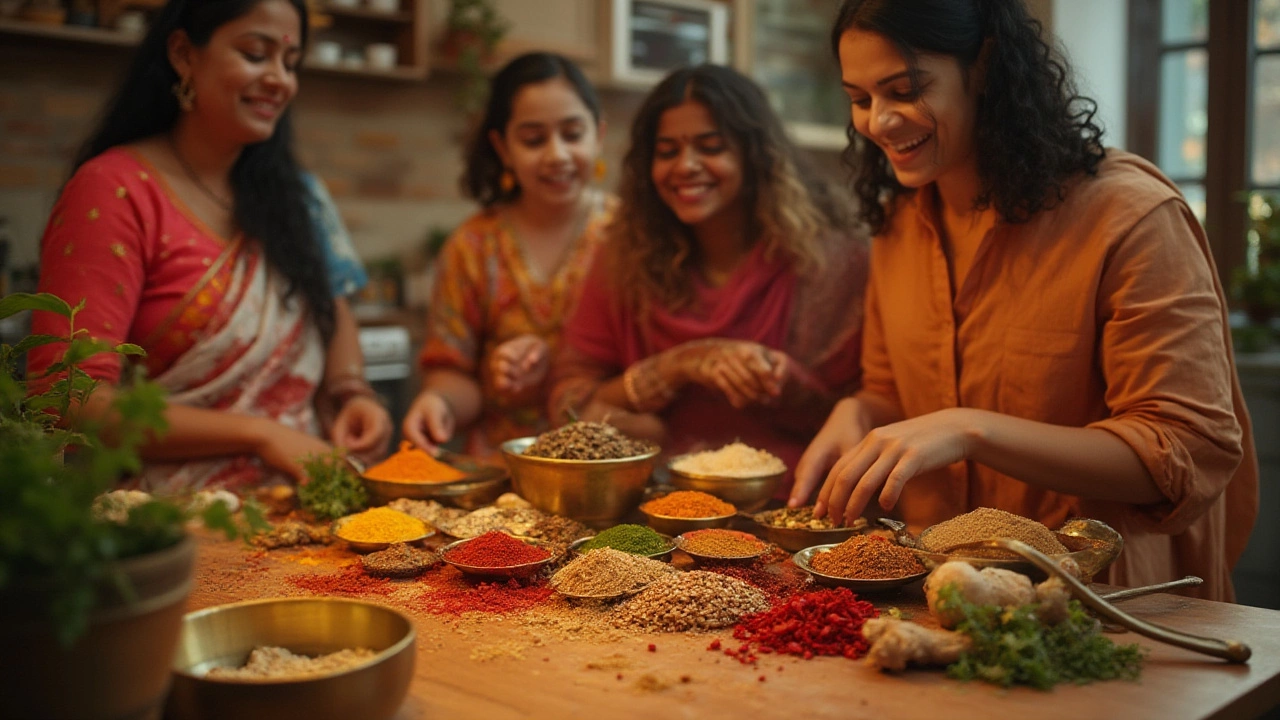
Closest Spice Alternatives to Curry Powder: Kitchen Swaps for Authentic Flavor
Looking for a curry powder substitute? Discover the best spices and blends to use when you run out, and learn how to make your own homemade curry flavor.
View More