Curry Powder Alternative: Real Indian Spices That Work Better
When people talk about curry powder, a Westernized blend of ground spices often used as a shortcut for Indian cooking. Also known as curry spice mix, it’s rarely found in Indian kitchens because it’s too generic, dull, and sometimes full of fillers. Real Indian cooking doesn’t use one pre-mixed powder—it uses fresh, toasted, and ground spices blended just before cooking. That’s why garam masala, a warm, aromatic spice blend used at the end of cooking to deepen flavor is what you’ll find in most homes, not that orange powder in the supermarket aisle.
What most people don’t realize is that turmeric, the bright yellow spice that gives Indian food its color and anti-inflammatory benefits, is just one piece of the puzzle. It’s usually paired with cumin, a earthy, nutty seed that’s toasted to unlock its full aroma, coriander, fenugreek, mustard seeds, and dried chilies—each added at the right moment. You don’t need curry powder if you have these five spices in your pantry. In fact, many Indian households grind their own spice mixes weekly, using a small stone grinder or coffee grinder just for spices. This keeps the flavors bright and powerful.
Why does this matter? Because curry powder was invented by British colonists trying to simplify Indian flavors into one bag. Real Indian cooking is layered—you bloom spices in hot oil, add them in stages, and adjust heat and acidity to balance each dish. That’s why curry powder alternative isn’t just a substitute—it’s a better way to cook. You’ll notice the difference in your dal, your chicken, even your vegetables. The aroma fills the kitchen differently. The taste lingers longer. And it’s not just about flavor—it’s about tradition.
Looking through the posts here, you’ll find recipes that use these same real spices: from the tandoori marinade that relies on cumin and coriander, to the dosa batter that gets depth from mustard seeds, to the mild moong dal khichdi that’s comforting because of how gently the spices are used. You’ll also see why yogurt and acid matter in marinating chicken, why fermentation changes the texture of batter, and how Indian meals keep sugar low without sacrificing taste. All of it ties back to one truth: Indian food doesn’t rely on shortcuts. It relies on understanding spices.
Below, you’ll find real recipes that use these authentic spice combinations—no pre-mixed powders, no artificial flavors. Just the way it’s done in homes from Punjab to Kerala. If you’ve ever wondered why your curry tastes flat, it’s not the recipe. It’s the spice blend you’re using. Time to try something better.
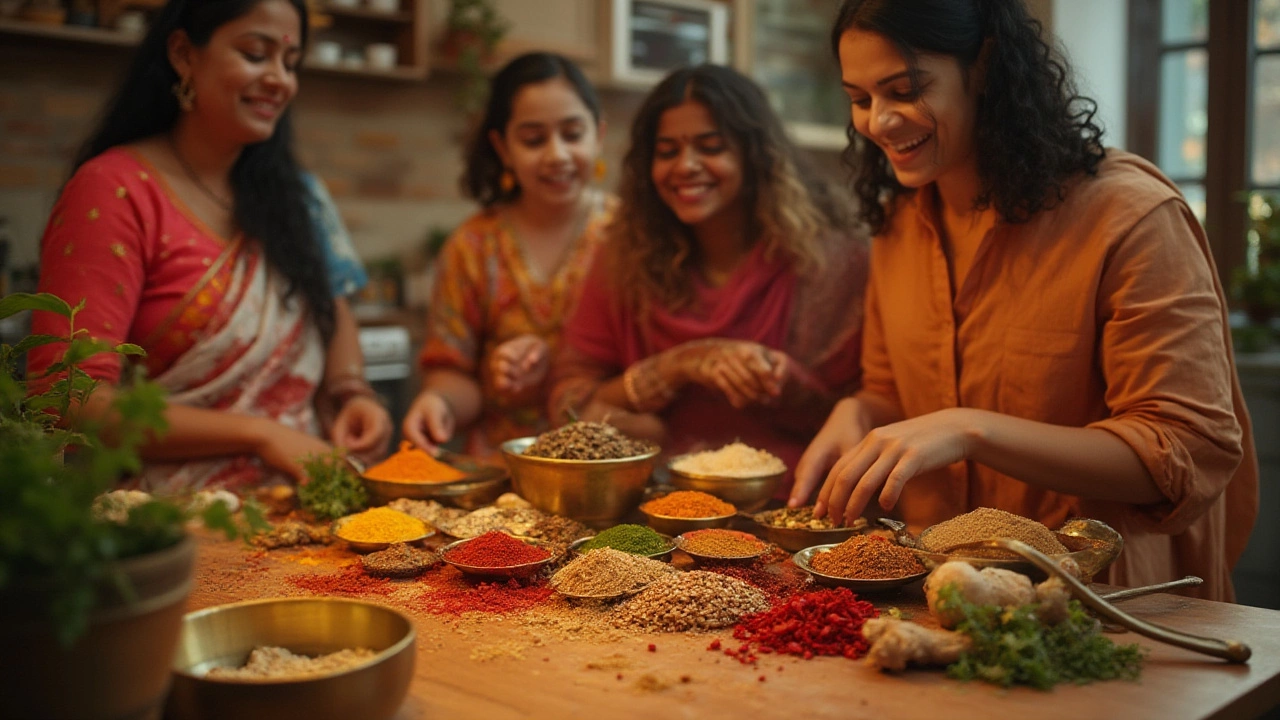
Closest Spice Alternatives to Curry Powder: Kitchen Swaps for Authentic Flavor
Looking for a curry powder substitute? Discover the best spices and blends to use when you run out, and learn how to make your own homemade curry flavor.
View More