Cooking Rice: How to Get Perfect Rice Every Time with Indian Techniques
When you think about cooking rice, the simple act of boiling grains that feeds billions across Asia. Also known as rice preparation, it’s one of the most basic yet misunderstood skills in Indian kitchens. Most people assume rice is just rice—boil it, drain it, done. But in India, cooking rice is a science. It’s not about time on the stove—it’s about water ratios, soaking, grain type, and heat control. Skip one step, and you end up with mushy, sticky, or undercooked grains instead of long, separate, fragrant ones.
Take basmati rice, a long-grain aromatic rice native to the Indian subcontinent. Also known as Indian basmati, it’s the backbone of biryanis, pulao, and everyday meals. But it doesn’t behave like regular white rice. If you skip soaking, the grains won’t expand properly. If you use too much water, they turn gummy. The best Indian cooks know that soaking basmati rice for 30 minutes isn’t optional—it’s the difference between a good meal and a great one. And it’s not just about soaking. The type of pot, the heat level, even the age of the rice matters. Older basmati needs more water and longer cooking. Fresh rice? Less. This isn’t guesswork—it’s tradition backed by experience.
Then there’s rice texture, the feel and structure of cooked rice after it’s been prepared. In India, texture defines success. Fluffy and separate? Perfect. Clumpy and wet? You did something wrong. That’s why recipes stress rinsing until the water runs clear—to remove excess starch. That’s why some cooks add a splash of oil or a whole cardamom pod to the pot. These aren’t fancy tricks. They’re fixes for real problems. And if you’ve ever tried making idli or dosa batter, you know how much texture matters. Fermented batter needs the right rice texture to begin with. One bad batch of rice, and your whole dish fails.
What you’ll find below isn’t just a list of recipes. It’s a collection of real kitchen wisdom from across India. You’ll learn why soaking basmati rice for the right amount of time changes everything. You’ll see how the same rice can turn into fluffy pulao or sticky kheer, depending on technique. You’ll find out what happens when you ignore the rules—and how to fix it. These aren’t theory-based tips. These are the things Indian grandmothers and home cooks swear by. No fluff. No jargon. Just what works.
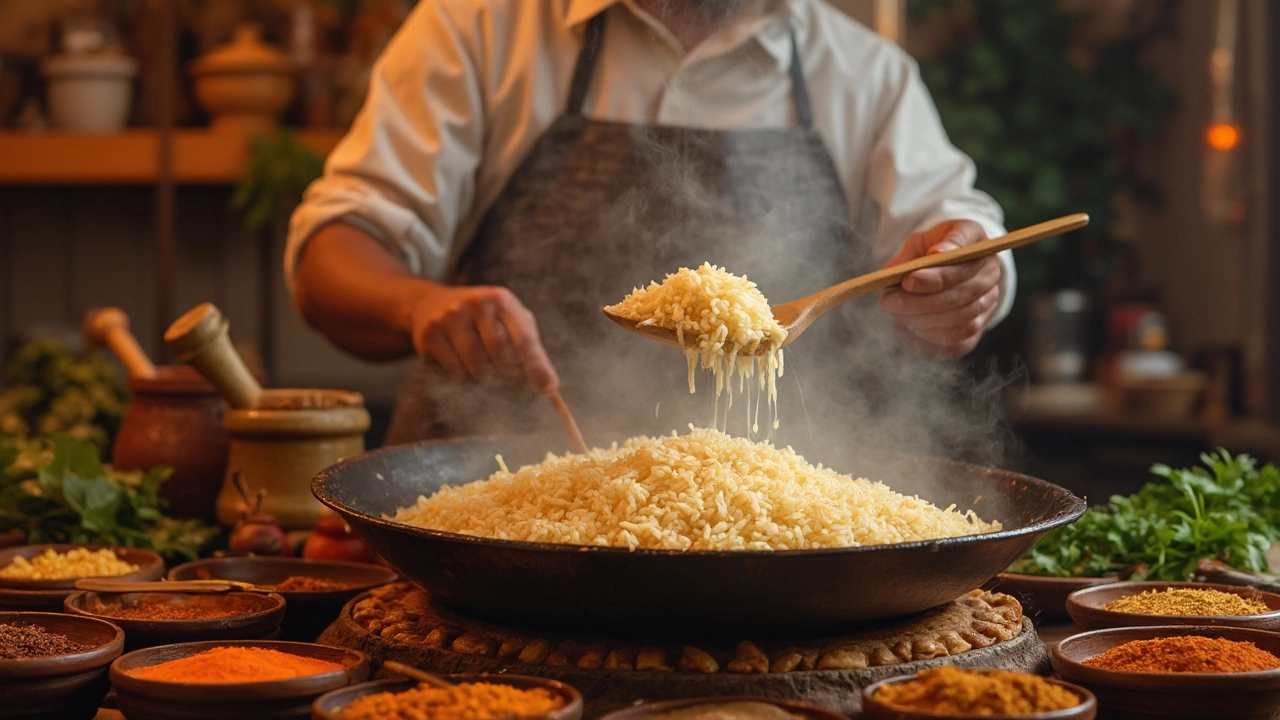
How Long to Boil Rice for Biryani: A Simple Guide
Boiling rice for biryani may seem straightforward, but getting the perfect texture is key to a delicious dish. This guide will walk you through how long to boil rice, ensuring it's cooked but not mushy. Learn essential tips to enhance the flavor and texture, making your biryani stand out. We'll also share common pitfalls to avoid while preparing this iconic dish. Perfect your biryani rice with proven techniques.
View More