Closest Spice to Curry Powder: What Really Replaces It in Indian Kitchens
When people ask for the closest spice to curry powder, they’re usually trying to replicate a flavor they’ve tasted abroad—but here’s the truth: curry powder, a British invention designed to mimic Indian spice blends, is not a traditional Indian spice mix. In India, no one reaches for a jar labeled "curry powder." Instead, cooks build flavor from scratch using fresh, whole spices like cumin, coriander, turmeric, and fenugreek, often toasted and ground just before cooking. The closest thing you’ll find in an Indian home isn’t a single spice—it’s garam masala, a warm, aromatic blend used to finish dishes. It’s not a direct replacement, but it’s the spiritual cousin: both are multi-spice combinations, but garam masala skips the earthy turmeric-heavy base and leans into cardamom, cinnamon, cloves, and black pepper for depth.
Here’s the real difference: curry powder tries to be one-size-fits-all, while Indian cooking is regional, layered, and dynamic. In South India, you’ll find sambar powder, a tangy, lentil-based blend with dried chilies and coriander, used in stews. In the North, garam masala is added at the end of cooking to preserve its fragrance. And in Bengal, mustard seeds and panch phoron—a five-spice mix of fenugreek, nigella, cumin, black mustard, and fennel—do the heavy lifting. None of these are curry powder. But if you’re stuck with only one jar in your pantry, garam masala gets you 80% of the way there, especially in creamy chicken or lentil dishes.
Why does this matter? Because if you’re trying to make Indian food taste authentic, using curry powder is like using "Italian seasoning" to make pasta sauce—it’s convenient, but it misses the soul. Indian meals are built in stages: you bloom whole spices in oil, toast ground spices to unlock their oils, then finish with fresh herbs or spice blends. The magic isn’t in one jar—it’s in the rhythm of adding them at the right time. That’s why you’ll find posts here about tandoori marinades, dosa batter, and why vinegar works better than lemon for paneer. It’s all connected. The same spices that make a perfect curry also make a great chutney, a crisp snack, or a comforting dal. Below, you’ll find real recipes, honest comparisons, and the kind of kitchen wisdom that turns "curry powder" into something alive.
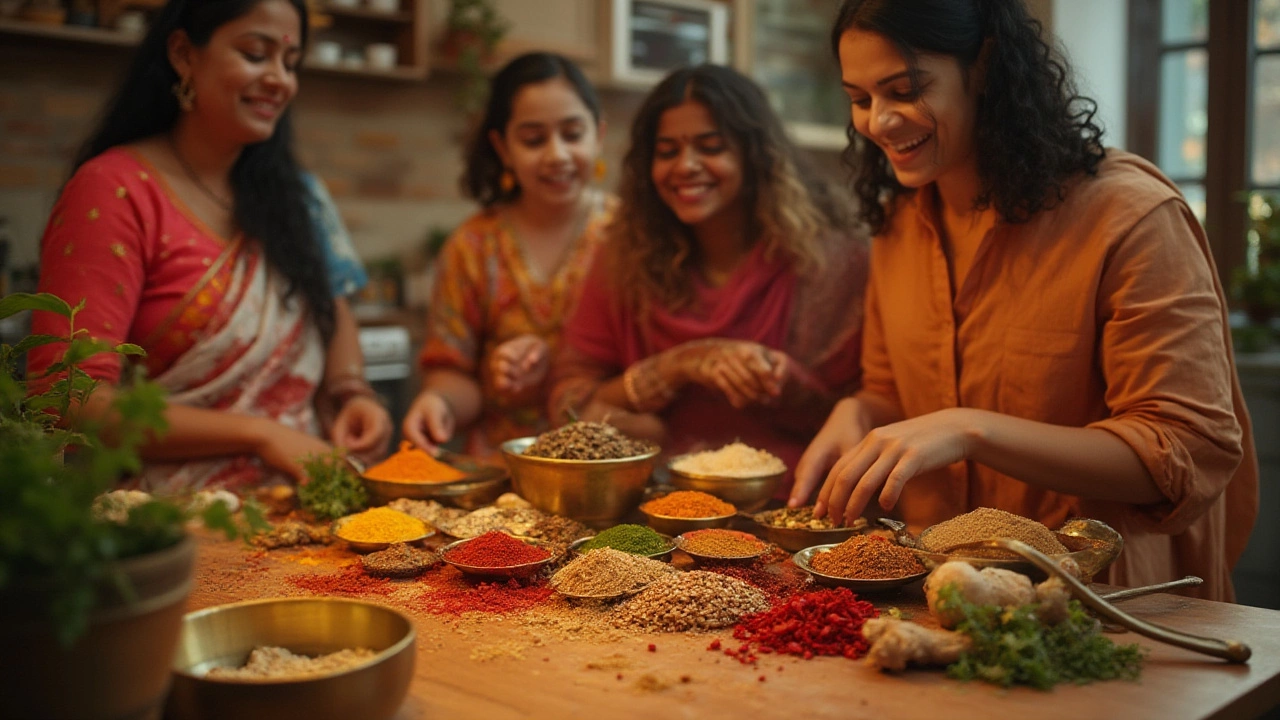
Closest Spice Alternatives to Curry Powder: Kitchen Swaps for Authentic Flavor
Looking for a curry powder substitute? Discover the best spices and blends to use when you run out, and learn how to make your own homemade curry flavor.
View More