Cheese Making in Indian Cooking: Paneer, Curdling, and Dairy Secrets
When you think of cheese making, the process of turning milk into solid curds through acid or enzymes. Also known as dairy coagulation, it's not just a Western technique—it's deeply rooted in Indian kitchens through paneer, a fresh, unaged cheese made by curdling milk with acid.
Unlike aged cheeses, paneer doesn’t need aging or cultures. It’s made fast, using simple ingredients: milk and an acid like vinegar or lemon juice. But here’s the catch—citrus and dairy, a combination that often fails to produce firm curds due to uneven pH and bitter flavors don’t play well together. That’s why most Indian cooks avoid lemon or lime and stick to vinegar. It’s reliable, clean, and gives you a firm, sliceable block every time. This isn’t just tradition; it’s chemistry. The right acid level separates milk proteins quickly without leaving a sour aftertaste.
What makes Indian cheese making different? It’s not about aging or rinds. It’s about control. You’re not waiting weeks—you’re waiting 10 minutes. Heat the milk, add the acid, let it sit, strain it, press it. Done. And because paneer is so versatile, it shows up in everything from spicy curries to sweet desserts. It’s the blank canvas of Indian dairy: absorbs flavors, holds shape under heat, and doesn’t melt like mozzarella. That’s why it’s perfect for grilling, frying, or tossing into a buttery gravy.
But here’s something most people don’t realize: if you’re avoiding dairy, you’re not missing out on cheese in India—you’re just cooking differently. Indian dairy-free dishes, meals that skip milk, ghee, and paneer entirely are common across regions, especially in strict vegetarian households. Coconut milk, cashew paste, and lentils step in as creamy substitutes. So cheese making isn’t just about milk—it’s about adapting to culture, health, and taste.
And if you’ve ever made paneer and ended up with grainy, crumbly curds, you’re not alone. It’s usually because the milk wasn’t hot enough, or the acid was added too slowly. It’s not magic—it’s timing. Heat the milk to a rolling boil, turn off the stove, then add the vinegar in one go. Watch the curds separate cleanly. That’s the moment you’re waiting for. No guesswork. No fancy tools. Just milk, acid, and a cloth.
There’s no need to buy paneer from the store when you can make it in under 30 minutes with ingredients you already have. And once you try homemade, you’ll never go back. It’s softer, fresher, and tastes like milk—pure and clean. Plus, you control the salt, the texture, even the fat level by choosing full-fat or toned milk. It’s one of the few Indian cooking techniques that’s both simple and deeply satisfying.
Below, you’ll find real stories from Indian kitchens—how people make paneer, why they avoid citrus, what works when yogurt fails, and how to turn dairy into something creamy without dairy at all. These aren’t theories. These are tested, repeated, everyday methods from homes across India. Whether you’re curious about the science behind curdling or just want to make better paneer tonight, what follows is what actually works.
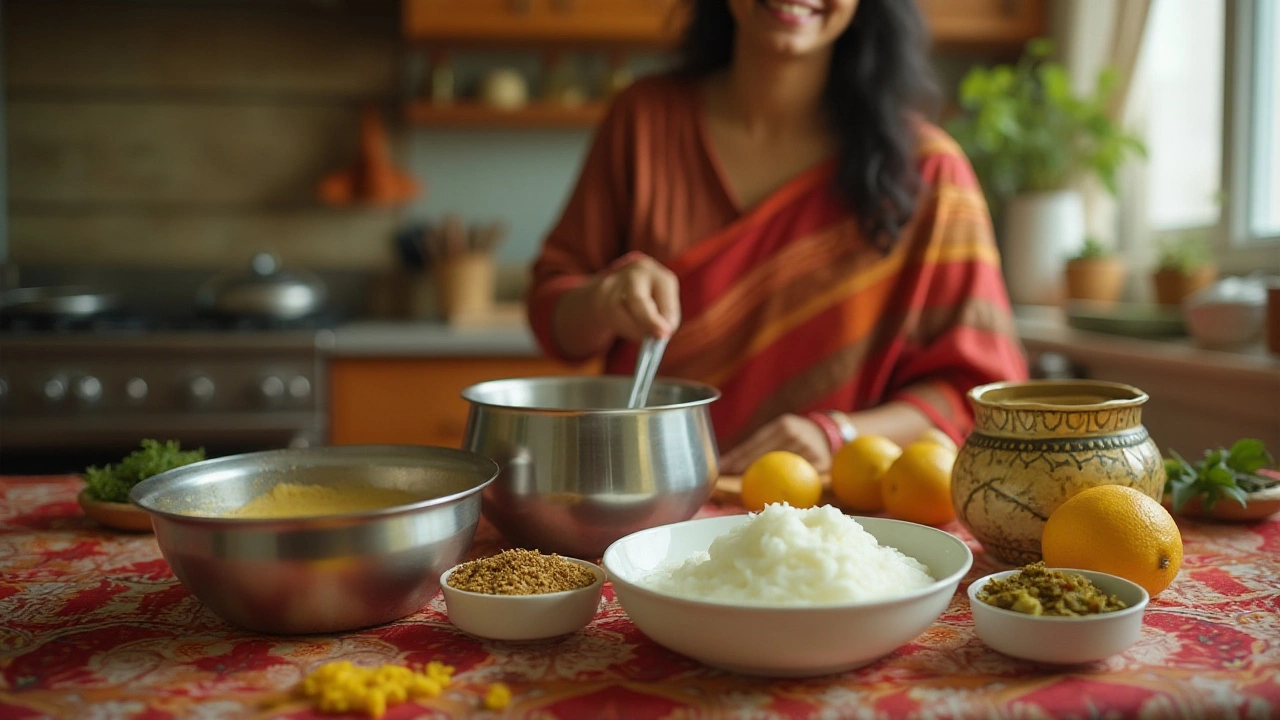
Mastering Homemade Paneer: Unlocking the Secret to Perfect Lemon Flavor
Discover how to make delicious homemade paneer with a zesty lemon flavor without the use of actual lemons. This article guides you through the process of mimicking lemon’s natural taste using accessible ingredients you probably already have in your kitchen. Uncover useful tips for balancing tanginess while ensuring a smooth and creamy texture. Dive into creative ideas to enhance your dishes, turning an everyday meal into a gourmet experience. Perfect for culinary enthusiasts aiming for authenticity in homemade cheese making.
View More