Cheese Differences: What Sets Indian Paneer Apart from Western Cheeses
When people think of cheese, a dairy product made by curdling and aging milk, often with cultures and rennet. Also known as dairy curd, it comes in hundreds of varieties across the world. Most imagine cheddar, mozzarella, or brie—creamy, melty, aged. But in Indian kitchens, the star isn’t any of those. It’s paneer, a fresh, unaged cheese made by curdling milk with acid, like lemon juice or vinegar, and pressing out the whey. Also known as Indian cottage cheese, it holds its shape when cooked and doesn’t melt, making it perfect for frying, grilling, or simmering in curries. The difference between paneer and Western cheese isn’t just cultural—it’s chemical, practical, and deeply tied to how food is made and eaten.
Paneer doesn’t need rennet, aging, or cultures. You make it in under an hour with milk and lemon juice. That’s why it’s called fresh cheese. Western cheeses, on the other hand, rely on bacterial fermentation and enzymes to develop flavor over days, weeks, or even years. That’s why cheddar sharpens, brie softens, and parmesan hardens. Paneer? It’s the same day you make it. No aging means no complex flavors, but it also means no weird smells or textures you might not expect. And because it’s pressed and drained, paneer stays firm—unlike ricotta or cream cheese, which are soft and spreadable. That’s why you can toss paneer cubes into a hot pan without them turning to mush. You can’t do that with mozzarella. And you can’t use paneer in a grilled cheese sandwich, either. It won’t melt. Ever.
That’s not a flaw—it’s a feature. In Indian cooking, paneer’s non-melting quality is why it works in dishes like paneer tikka, palak paneer, or paneer butter masala. The cubes stay intact, soak up spices, and give you that satisfying chew. Meanwhile, Western cheeses are designed to melt, stretch, or blend—think pizza, fondue, or mac and cheese. They’re built for different meals. Even the fat content differs. Paneer is usually made from full-fat milk and pressed dry, so it’s dense but not oily. Most Western cheeses have added cream or butterfat to enhance melt and richness. That’s why paneer feels lighter, even when fried. And if you’re avoiding dairy altogether, you’ll find Indian cuisine has plenty of dairy-free options too—like the coconut-based curries or lentil stews that replace paneer entirely.
So when you ask about cheese differences, you’re really asking: what’s the purpose of this food? Paneer isn’t trying to be cheddar. It’s not meant to be aged, sliced thin, or eaten on its own. It’s a protein-rich, shelf-stable ingredient built for cooking into meals, not for cheese boards. If you’ve ever tried substituting paneer for mozzarella in a recipe and ended up with rubbery cubes, now you know why. And if you’ve ever wondered why Indian recipes never say "melt the cheese," now you understand. The real question isn’t which cheese is better—it’s which one fits the dish. And in India, paneer fits perfectly.
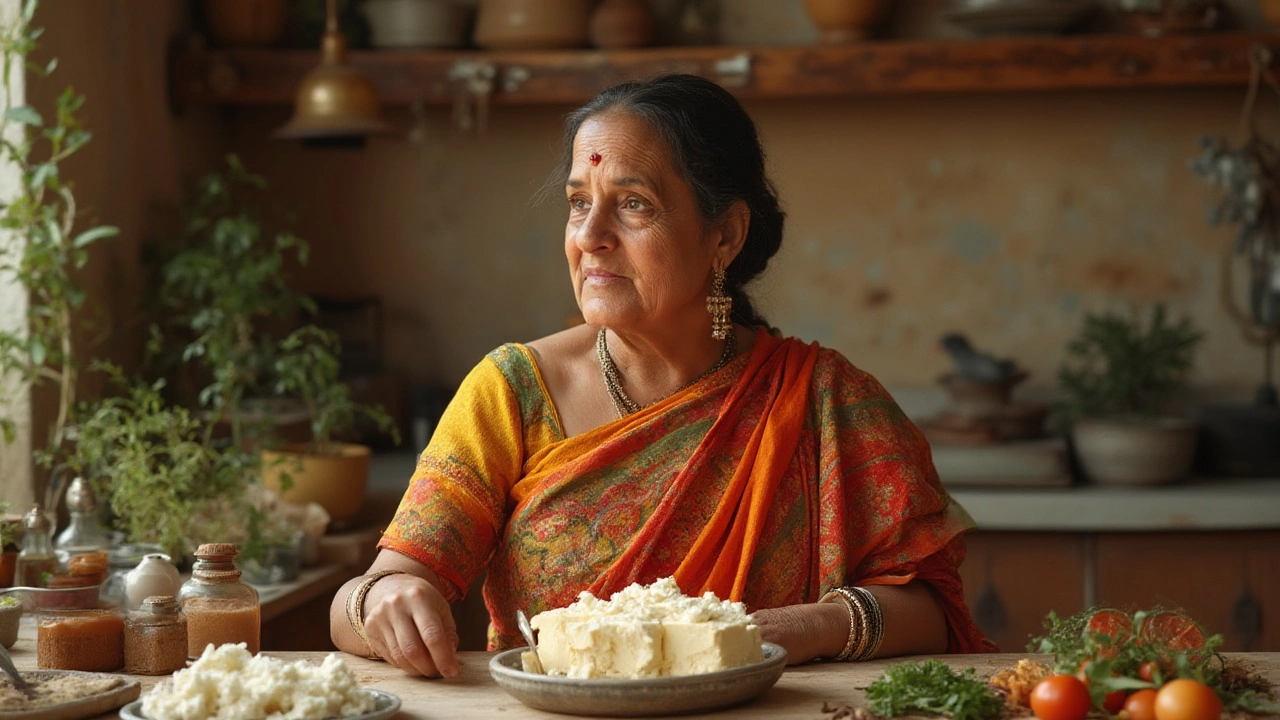
Is Greek Feta Cheese the Same as Paneer? Key Differences and Surprising Facts
Ever wondered if feta cheese and paneer are interchangeable? Discover the tasty truth about their differences, uses, and why you’d never mistake one for the other.
View More