Canning in Indian Cooking: Traditional Methods and Modern Uses
When you think of canning, the process of sealing food in airtight containers to preserve freshness and flavor. Also known as food preservation, it’s how Indian households have kept flavors alive for generations—without refrigerators or chemicals. In India, canning isn’t just about storing food. It’s about holding onto taste, tradition, and time. Think of mango pickles sitting in sun-baked jars, garlic chutney sealed in glass bottles, or spiced vegetables preserved in oil. These aren’t store-bought products. They’re homemade, passed down, and often made once a year with the first harvest.
Canning in Indian kitchens relies on three key things: salt, oil, and acid. Salt pulls out moisture and stops bacteria. Oil creates a barrier against air. And acid—like lemon juice or vinegar—keeps things safe and tangy. Unlike Western canning that uses pressure cookers and sterile labs, Indian methods are simple: heat, pack, seal, and leave in the sun. This works because the spices themselves—mustard seeds, fenugreek, turmeric—are natural preservatives. You won’t find artificial additives in a well-made achar. And that’s why these jars last for months, even years.
Related to this are Indian pickles, fermented or oil-preserved condiments made from fruits, vegetables, and spices. Also known as achar, they’re a staple in every Indian home, from Kerala to Punjab. Then there’s chutney storage, the practice of preserving fresh herb and spice blends in small batches for daily use. Also known as chutney preservation, it’s how families keep mint, coriander, and tamarind flavors ready without spoilage. And let’s not forget oil-based preservation, a method where food is submerged in heated oil to block air and extend shelf life. Also known as oil sealing, it’s the secret behind perfect aloo bhujia and stuffed green chilies. These methods aren’t outdated. They’re smarter than most modern techniques when it comes to flavor and safety.
What you’ll find in the posts below isn’t just recipes. It’s the real talk about how Indians preserve food—what works, what doesn’t, and why some jars last longer than others. You’ll learn why citrus doesn’t always work for making paneer, how fermentation affects dosa batter, and why certain spices make pickles last longer. There’s no sugar-coating here. Just honest, practical knowledge from kitchens where food isn’t thrown away—it’s saved, shared, and savored.
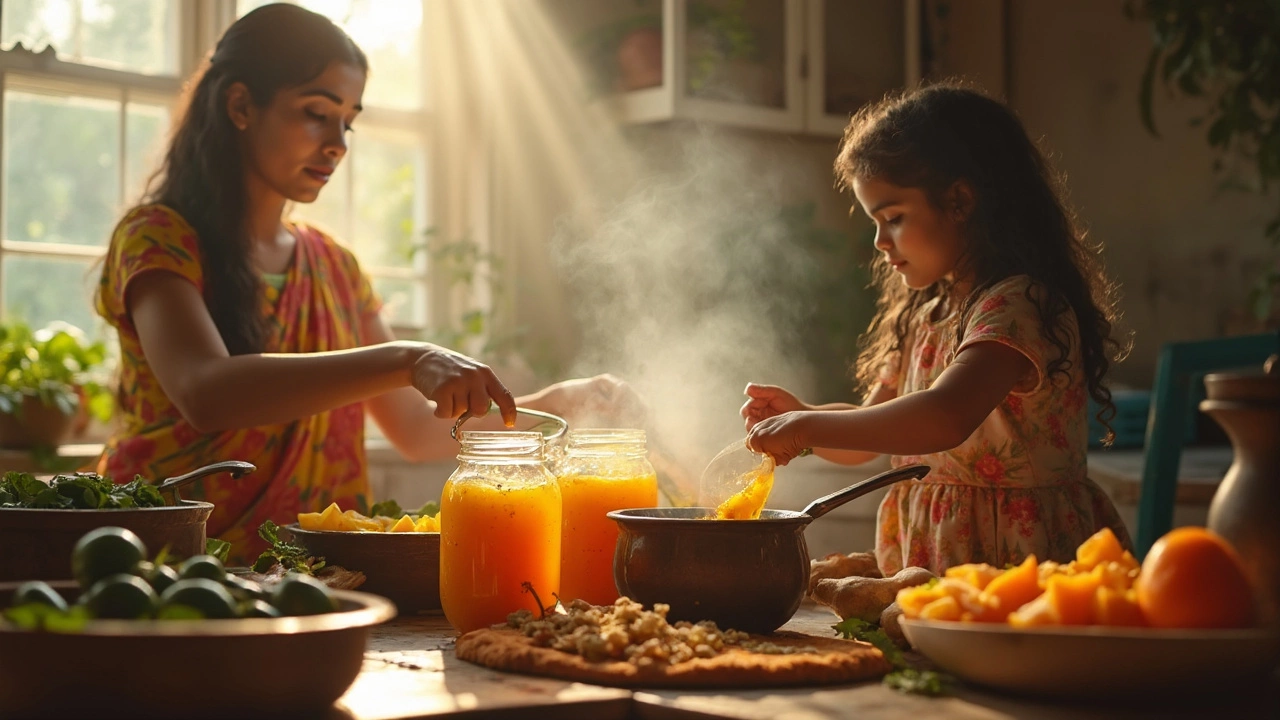
Do Chutneys Need to Cool Before Putting in Jars? What Every Home Cook Should Know
Ever wondered if you should let your homemade chutney cool before jarring? This article answers exactly that and breaks down the science behind cooling and jarring chutneys. Learn the do's and don'ts for safely storing chutney at home. You'll find tips for keeping your chutney fresh and tasty, and ways to prevent spoilage. Avoid common mistakes and step up your chutney game with practical advice.
View More