Buffalo Milk: Why It’s the Secret Behind Rich Indian Dairy
When you think of rich, creamy Indian dairy, you’re probably thinking of buffalo milk, a thicker, higher-fat milk used across India for paneer, ghee, and sweets. Also known as water buffalo milk, it’s not just a substitute for cow milk—it’s the foundation of flavor in countless traditional dishes. Unlike cow milk, buffalo milk has nearly double the fat and protein, which means it curdles more easily, churns faster into butter, and makes paneer that holds its shape without falling apart. That’s why most homemade paneer in India starts with buffalo milk—it’s the reason your chana masala’s paneer stays firm, and your kheer feels luxuriously thick.
Buffalo milk doesn’t just change texture—it changes the whole game in Indian kitchens. ghee, clarified butter made by simmering milk fat, also relies on buffalo milk’s high butterfat content to yield more volume and deeper flavor. If you’ve ever tasted ghee made from cow milk and then buffalo milk, you’ll notice the difference: one is light and nutty, the other is rich and almost caramel-like. That’s why traditional households in Punjab, Uttar Pradesh, and Maharashtra keep buffalo herds—not because it’s trendy, but because it’s practical. Even dairy-based sweets, like rasgulla and gulab jamun, benefit from buffalo milk’s density, giving them that signature melt-in-your-mouth texture. You won’t find authentic versions of these sweets made with low-fat cow milk.
Buffalo milk also plays a quiet but vital role in everyday Indian cooking. It’s the reason why your morning paratha feels buttery even without extra ghee, why your lassi stays thick without thickeners, and why your homemade yogurt lasts longer without separating. While cow milk is common in urban supermarkets, buffalo milk still rules in rural kitchens and traditional dairies. And if you’ve ever wondered why restaurant paneer tastes better than your own—it’s not the spices. It’s the milk.
What you’ll find in the posts below are real, tested recipes and explanations tied directly to buffalo milk’s role in Indian food. From why vinegar works better than lemon for curdling it, to how it affects the texture of dosa batter when used in fermentation, you’ll see how this one ingredient connects to dozens of everyday dishes. No fluff. Just the facts, the science, and the kitchen tricks that make Indian dairy what it is.
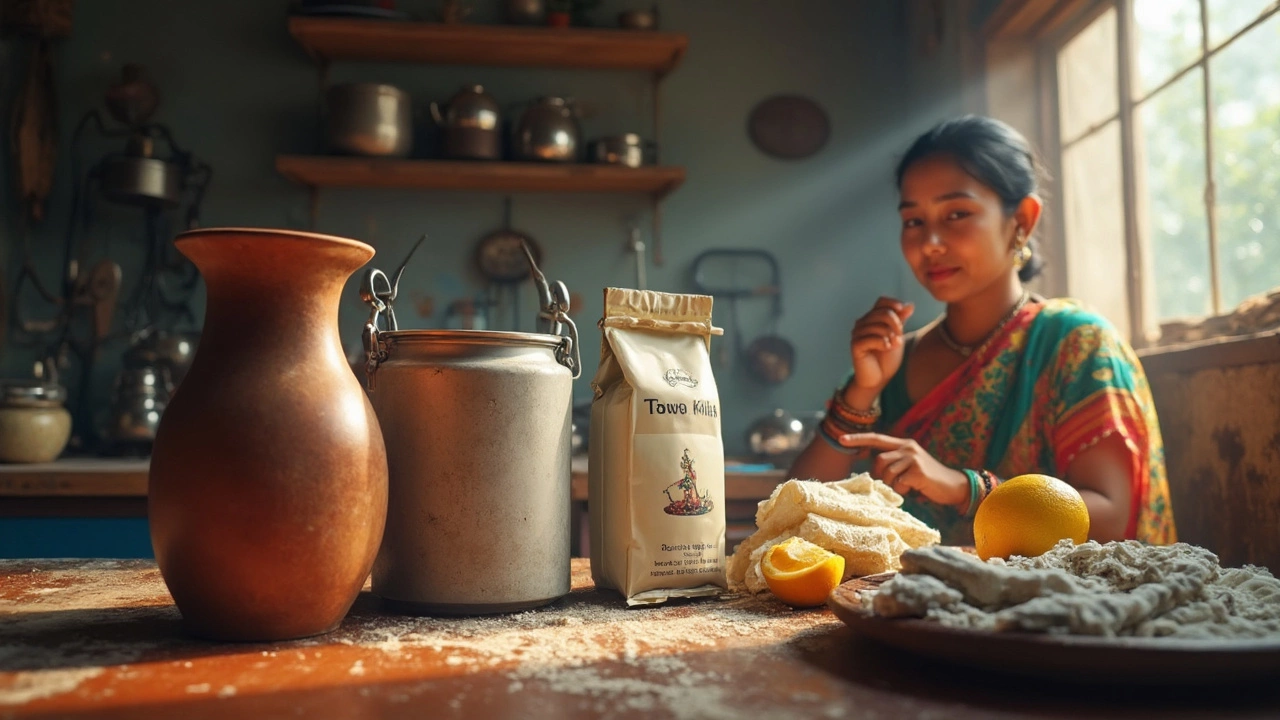
Which Milk Is Preferred for Paneer Making? The Ultimate Guide for Homemade Paneer Fans
Confused about which milk to use for making paneer at home? This article breaks down the differences between cow, buffalo, and packaged milk so you can choose the right one for the texture and taste you love. Get real tips, discover surprising results from different types of milk, and learn how to handle common milk issues. Whether you want crumbly, soft, or firm paneer, here’s everything you need to know to avoid disappointment and get delicious, fresh results every time.
View More