Breakfast Consumption in India: Real Meals, Regional Rules, and Healthy Habits
When it comes to breakfast consumption, how people start their day across India, shaped by culture, climate, and centuries of tradition. Also known as morning eating habits, it’s not about grabbing a muffin or pouring cereal—it’s about steamed idlis, crispy dosas, spiced poha, and warm parathas that have fed families for generations. Unlike Western breakfasts that often rely on processed sugars and refined carbs, Indian breakfast consumption is deeply rooted in whole grains, fermented foods, and regional spices that work together to keep energy steady and digestion smooth.
This isn’t just about food—it’s about traditional Indian breakfast, a daily ritual that varies from village to city, state to state. In the south, South Indian breakfast means idli and sambar, fermented overnight to boost gut health. In the north, parathas, stuffed with potatoes, paneer, or spinach and cooked in ghee, are eaten with yogurt or pickles. In the west, poha—flattened rice cooked with mustard seeds, curry leaves, and peanuts—is a quick, light, and protein-rich option. Each style reflects local crops, climate, and work rhythms, not trends.
What makes Indian breakfast consumption stand out? It’s the low sugar. Despite the fame of Indian sweets, most daily meals contain almost no added sugar. Jaggery, used sparingly, is the exception, not the rule. Fermentation in dosa and idli batter breaks down starches, making them easier to digest and lowering their glycemic load. Even when eaten with chutney or coconut oil, these meals deliver slow-burning energy—no crashes, no cravings. This is why India, despite its reputation for sweets, ranks among the countries with the lowest sugar intake in the world.
And it’s not just about taste—it’s about nutrition. A bowl of upma made with semolina and vegetables, a plate of khichdi with lentils and rice, or even a simple bowl of curd with rice—these aren’t snacks. They’re complete meals. They’re packed with fiber, plant-based protein, and beneficial bacteria from fermentation. That’s why healthy Indian breakfast, a term often misunderstood outside India, isn’t a trend—it’s the norm. It doesn’t need to be labeled "organic" or "superfood" to be good. It just needs to be made fresh, with real ingredients, and eaten without rushing.
There’s no one-size-fits-all Indian breakfast. What you eat in Chennai is different from what you eat in Lucknow, and both are different from what’s served in Mumbai’s street stalls. But they all share one thing: they’re made to be eaten early, with purpose, and with flavor that lingers. This collection of posts dives into exactly what people eat, why it works, and how you can bring these habits into your own kitchen—whether you’re looking for low-calorie options, dairy-free swaps, or just the real deal without the sugar rush.
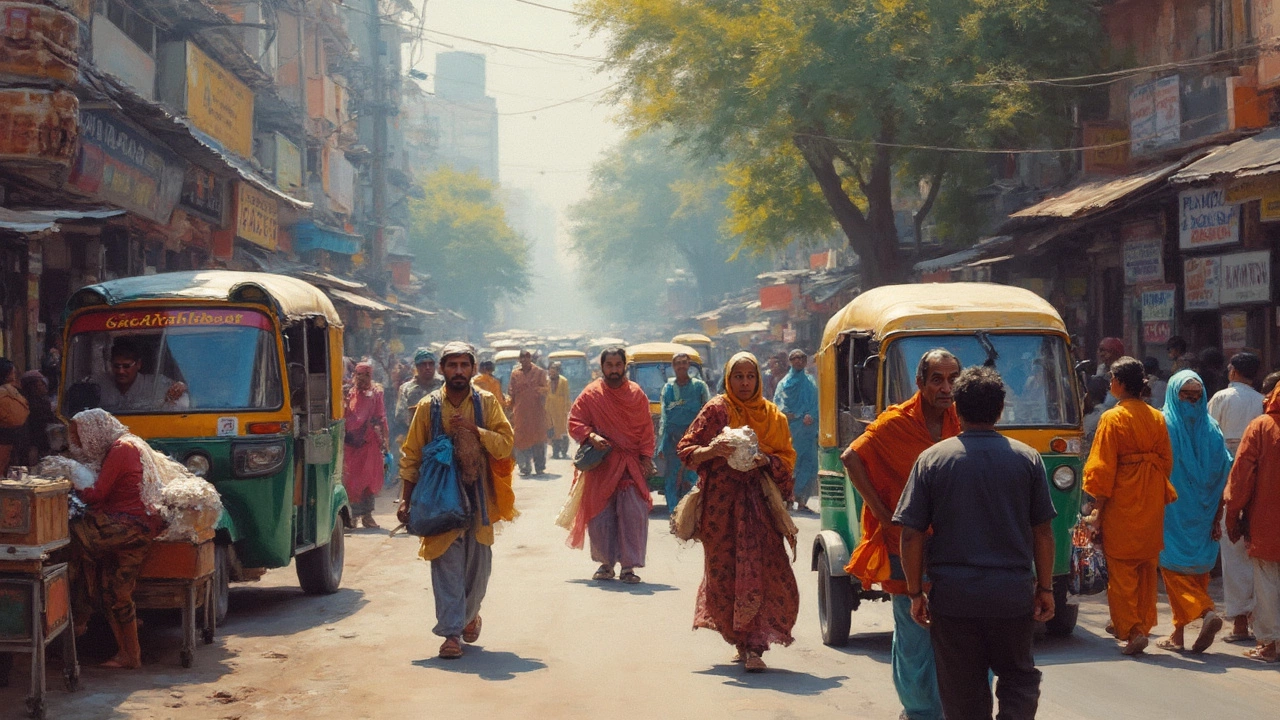
How Many People in India Skip Breakfast?
Skipping breakfast is a growing trend in India despite its reputation as the most important meal of the day. This article explores how many people in India are skipping breakfast, the reasons behind this behavior, and the potential health impacts. It also looks at cultural influences and suggests simple, quick breakfast options tailored to the busy Indian lifestyle.
View More