Black Cardamom: The Smoky Secret Behind Indian Curries and Desserts
When you think of cardamom, you probably picture the bright green pods used in chai or desserts. But black cardamom, a deeply aromatic, smoky spice native to the Eastern Himalayas and a cornerstone of Indian spice blends. Also known as big cardamom or kali elaichi, it’s not just a cousin of green cardamom—it’s a completely different beast. While green cardamom is sweet and floral, black cardamom is bold, smoky, and slightly medicinal, with a scent that reminds you of campfire smoke and dried leaves. It’s the spice that gives Bengali fish curries their depth, North Indian biryanis their earthy backbone, and even some Indian desserts their mysterious complexity.
Black cardamom doesn’t just add flavor—it changes the whole character of a dish. It’s often used whole and fried in hot oil at the start of cooking, releasing its smoky aroma into ghee or mustard oil. That’s why you’ll find it in garam masala, a warm, complex spice blend essential to Indian kitchens, and in slow-cooked meat stews like Rogan Josh or Dum Aloo. Unlike green cardamom, which gets ground into powders, black cardamom is almost always used whole and removed before serving—its tough, papery pods aren’t meant to be eaten, just infused. You’ll also see it in sweet dishes like kheer or phirni, where its smokiness balances the sugar in a way no other spice can.
Many people confuse it with green cardamom, but they’re not interchangeable. If you swap one for the other, your dish will taste wrong. Green cardamom is delicate; black cardamom is rugged. It’s the spice you reach for when you want something hearty, grounding, and unforgettable. It’s also a key player in Ayurvedic traditions, believed to aid digestion and warm the body—perfect for winter dishes or after heavy meals.
What you’ll find in the posts below isn’t just recipes. It’s the real stories behind how black cardamom works in Indian kitchens—from the way it’s toasted in a dry pan to the regional variations that make it essential in Punjabi dals, South Indian rasam, and even some traditional sweets. You’ll learn how to pick the best pods, how to store them so they keep their smoky punch, and why skipping it in a curry is like leaving salt out of soup. This isn’t just about spice—it’s about understanding the soul of Indian cooking.
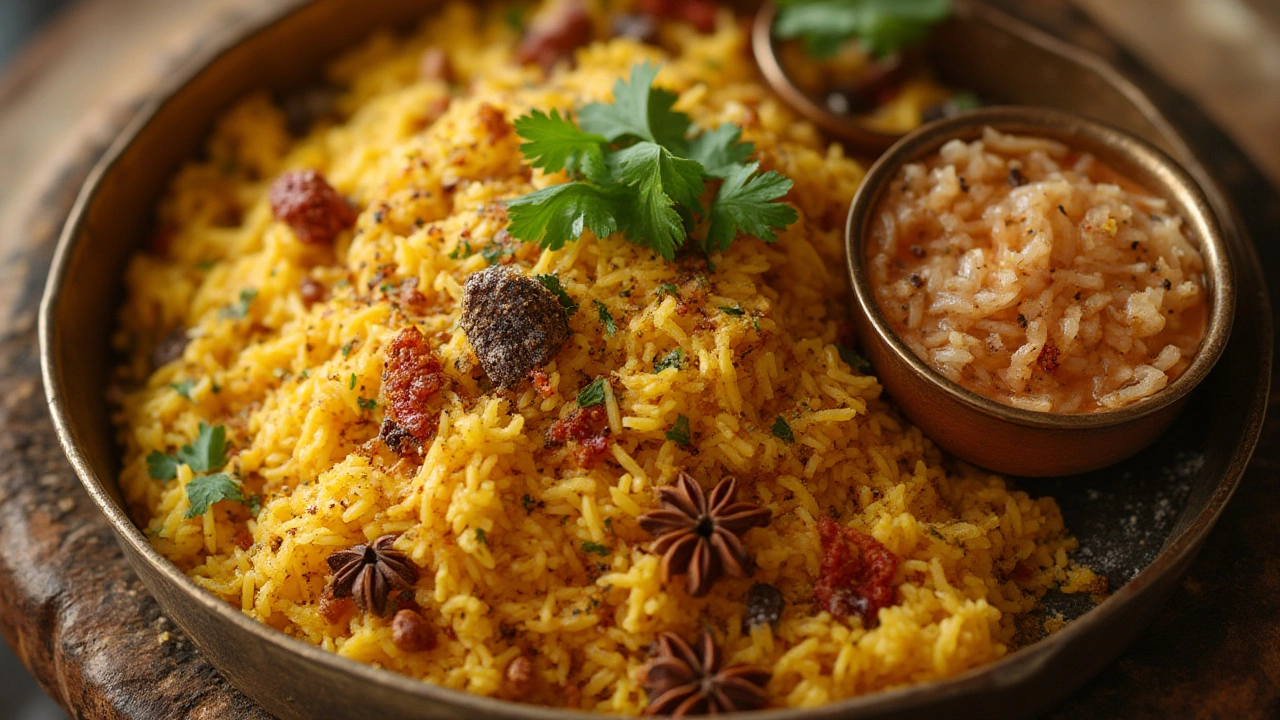
Small Black Spices in Biryani: Secrets Behind the Aromatic Little Things
Ever wondered about those tiny black things in your biryani? Discover what they are, why they're there, and if you should bite into them or not.
View More