Biryani Spices: The Secret Blend Behind India’s Most Beloved Rice Dish
When you think of biryani spices, a layered mix of aromatic whole and ground spices used to flavor rice, meat, and vegetables in one of India’s most iconic dishes. Also known as biryani masala, it’s not just a seasoning — it’s the soul of a dish that’s been passed down through generations, each family adding their own twist. This isn’t just about heat or color. It’s about balance — the warmth of cardamom, the earthiness of cumin, the sweet depth of cinnamon, and the quiet punch of cloves. Together, they turn plain rice and meat into something that smells like a festival and tastes like home.
Every region in India has its own version of biryani, and each one uses a slightly different biryani masala, a custom spice mix that defines the character of the dish. In Hyderabad, you’ll find saffron and rose water lifting the aroma. In Lucknow, it’s subtle — more about slow-cooked fragrance than bold spice. In Kolkata, potatoes and boiled eggs show up, and the spice blend leans sweeter. But no matter where you are, the core remains: star anise, fennel, bay leaves, and black pepper. These aren’t optional. Skip one, and you’ll notice the gap. They work like instruments in an orchestra — each plays its part, and the harmony only works if all are present. Then there’s the whole spices, unground spices like cinnamon sticks, cardamom pods, and cloves that are fried in ghee to release their oils before cooking. These are the foundation. They don’t just flavor the dish — they perfume the entire kitchen. You can’t fake their depth with pre-ground powder. That’s why most home cooks still toast and grind their own. And let’s not forget the color. Turmeric gives a golden base, but the deep red? That’s usually from Kashmiri chilies — mild, rich, and vibrant, not fiery. Many people assume biryani is spicy, but the real goal is complexity, not burn.
What you’ll find in the posts below are real, tested recipes and breakdowns of how these spices actually behave in the pot. You’ll learn why some cooks soak saffron in milk before adding it, how to tell if your cumin is stale, and which spice ratios make a biryani taste like it came from a grandmother’s kitchen — not a restaurant menu. No fluff. No guesswork. Just the facts, the tricks, and the why behind each spice. Whether you’re making your first biryani or trying to fix a batch that fell flat, the answers are here — rooted in tradition, tested in real kitchens.
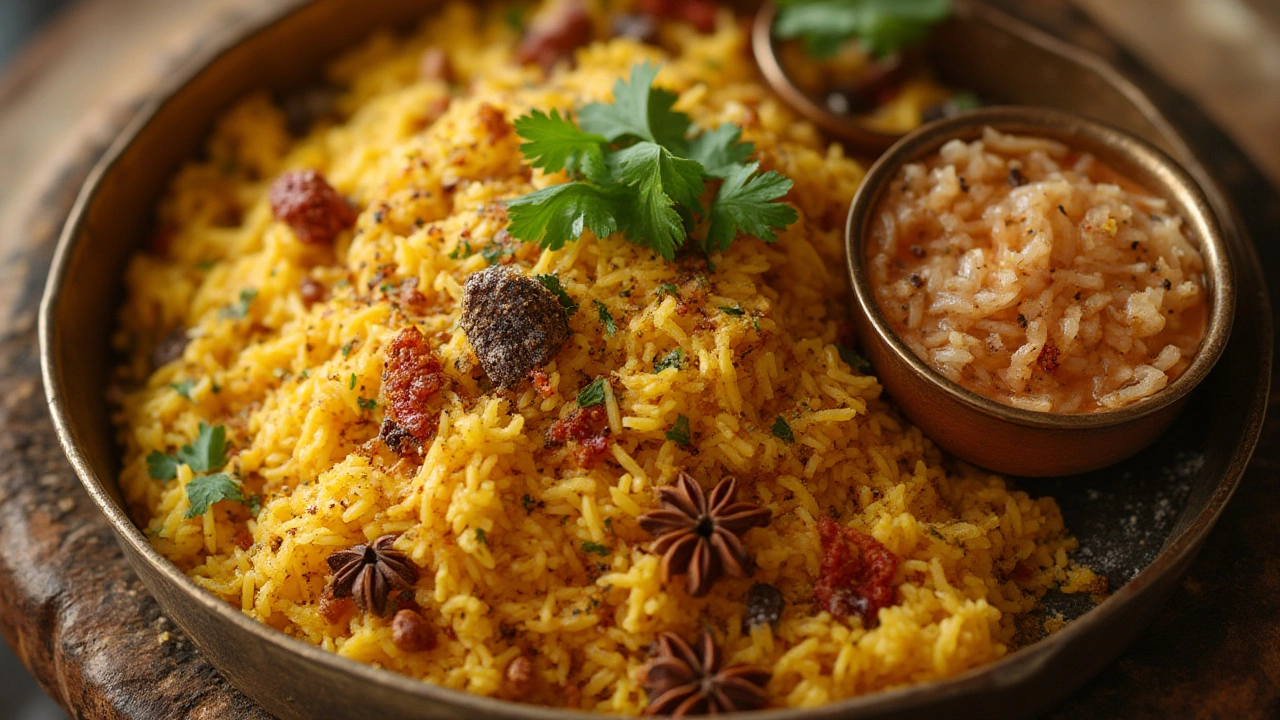
Small Black Spices in Biryani: Secrets Behind the Aromatic Little Things
Ever wondered about those tiny black things in your biryani? Discover what they are, why they're there, and if you should bite into them or not.
View More