Biryani Rice: The Secret to Perfect Indian Rice for Every Biryani
When you think of biryani rice, the long-grain aromatic rice used in India’s most iconic rice dish, often made from aged basmati. Also known as biryani-grade rice, it’s not just a side—it’s the soul of the dish. Not all rice works for biryani. If you use short-grain or sticky rice, you’ll end up with a mushy mess instead of those fluffy, separate grains that make biryani so satisfying.
The best biryani rice is basmati rice, a fragrant, slender grain native to the Indian subcontinent, prized for its length, aroma, and ability to stay separate when cooked. Also known as Indian long-grain rice, it expands up to twice its size and carries flavor like a sponge. That’s why every serious biryani recipe starts with basmati. But even basmati needs help. Soaking it for 30 minutes before cooking isn’t optional—it’s what keeps the grains from breaking and lets them absorb spices evenly. And don’t skip aging. Rice that’s been stored for 1–2 years cooks better, stays firmer, and smells stronger.
What you do after soaking matters just as much. Rinsing removes excess starch so the grains don’t stick. Parboiling—cooking the rice halfway before layering it with meat and spices—is the trick that gives biryani its signature texture: tender inside, slightly chewy on the outside. This isn’t just cooking. It’s layering flavor, texture, and time. And that’s why biryani isn’t a recipe—it’s a ritual.
You’ll find biryani rice used in every region of India, from the spicy Hyderabadi version with saffron and fried onions to the milder Lucknowi style with subtle cardamom. But the rice? Always the same. It’s the canvas. The rest is paint. And if you get the rice wrong, no amount of spices or meat will save it.
That’s why the posts below cover everything you need to nail biryani rice—from how long to soak it, to why some people rinse it twice, to what happens if you use fresh instead of aged basmati. You’ll see how soaking time changes based on the rice’s age, how parboiling affects texture, and why some cooks toast the rice before boiling. No fluff. Just what works.
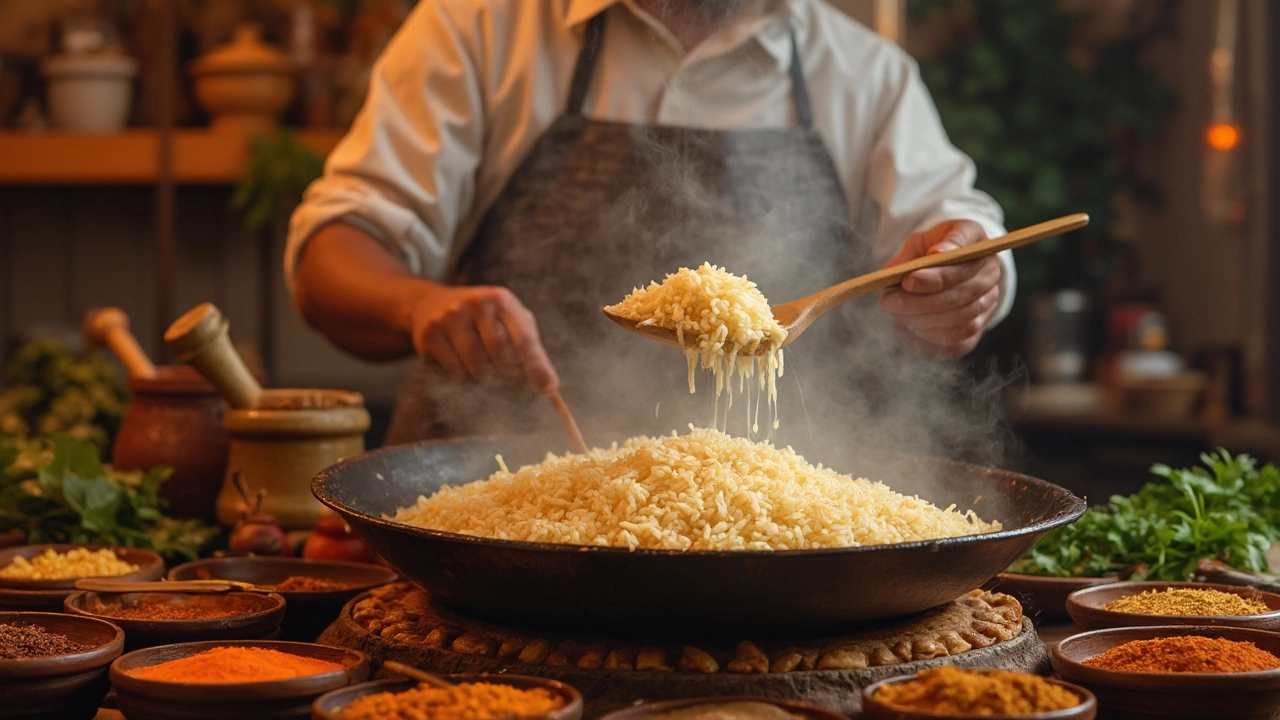
How Long to Boil Rice for Biryani: A Simple Guide
Boiling rice for biryani may seem straightforward, but getting the perfect texture is key to a delicious dish. This guide will walk you through how long to boil rice, ensuring it's cooked but not mushy. Learn essential tips to enhance the flavor and texture, making your biryani stand out. We'll also share common pitfalls to avoid while preparing this iconic dish. Perfect your biryani rice with proven techniques.
View More