Biryani History: Origins, Variations, and How It Became India’s Iconic Dish
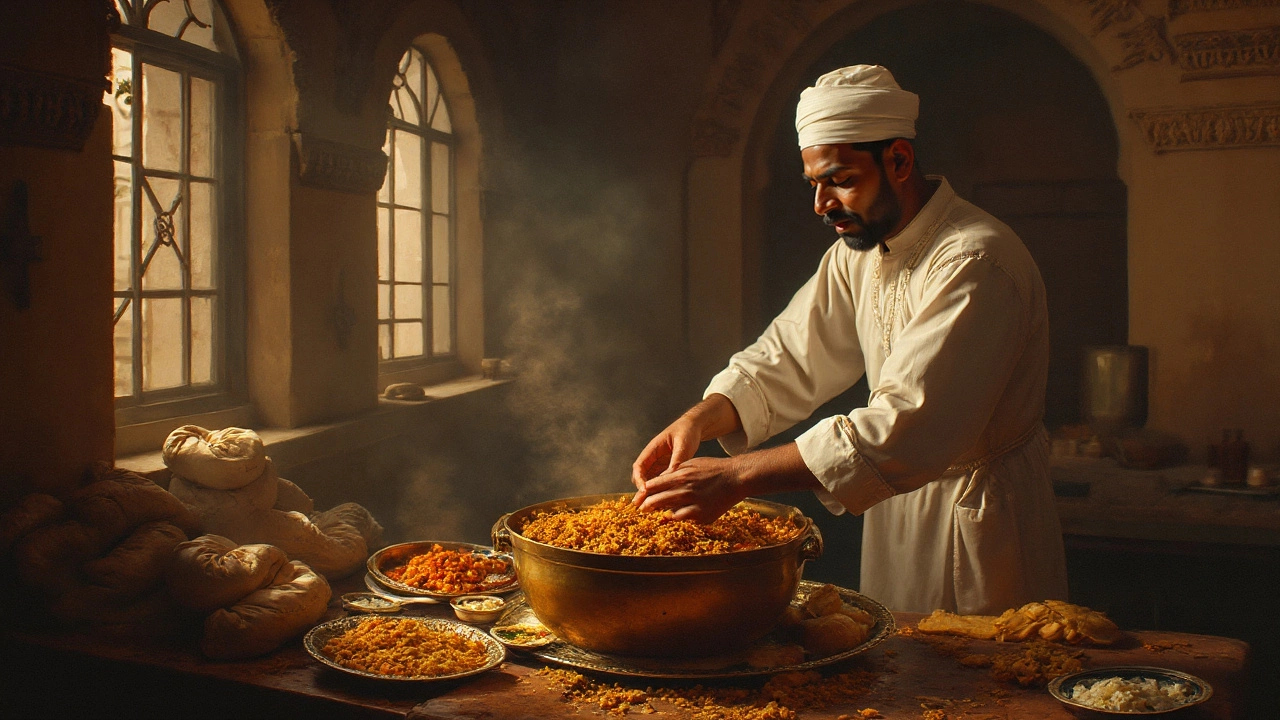
When you think of biryani, a fragrant, layered rice dish with meat, spices, and saffron that’s central to Indian celebrations and family meals. Also known as biriani, it’s not just a meal—it’s a story written in spices, rice, and centuries of cultural exchange. Biryani didn’t spring up overnight in a single kitchen. It arrived in India with traders and rulers from Persia, blending local ingredients like basmati rice and ghee with Persian techniques of slow-cooking meat and rice together. This fusion didn’t just create a dish—it created a tradition that changed with every region it touched.
By the time it reached the Mughal courts, biryani had become a symbol of luxury. The royal kitchens of Delhi and Lucknow perfected the Hyderabadi biryani, a rich, layered dish where rice and marinated meat are cooked separately then steamed together in a sealed pot, while in Kolkata, it absorbed local tastes with boiled eggs and potatoes. In Tamil Nadu, you’ll find a lighter version with coconut milk and curry leaves. Each variation tells a different part of India’s history—trade, migration, religion, and royal patronage all left their mark. The Mughal biryani, known for its use of saffron, dried fruits, and slow-cooked meat, still influences how people cook it today, even in homes far from the old palaces.
What makes biryani so enduring isn’t just its taste—it’s how it adapts. A family in Kerala might use coconut oil and curry leaves, while a household in Punjab might add more ghee and paneer. Even the rice matters: long-grain basmati is non-negotiable in most versions, soaked just right to stay separate and fluffy. You won’t find biryani in a single recipe book because it doesn’t have one. It’s alive, passed down through generations, tweaked for spice levels, protein choices, and even the day of the week. Whether it’s served at weddings, Eid, or a simple Sunday dinner, biryani carries more than flavor—it carries memory.
Below, you’ll find real stories and recipes that show how biryani evolved across India—not as a single dish, but as dozens of regional expressions, each with its own soul. From the spice blends used in Awadhi kitchens to the street-side versions in Mumbai, you’ll see how this dish became the heart of Indian cuisine.
Why Is There Potato in Biryani? History, Regions, and How to Cook It Right
Curious why some biryanis include potato? Learn the history, where it’s authentic, how it changes flavor and texture, and the best way to cook and layer it.
View More