Authentic Biryani: Real Recipes, Regional Secrets, and How to Get It Right
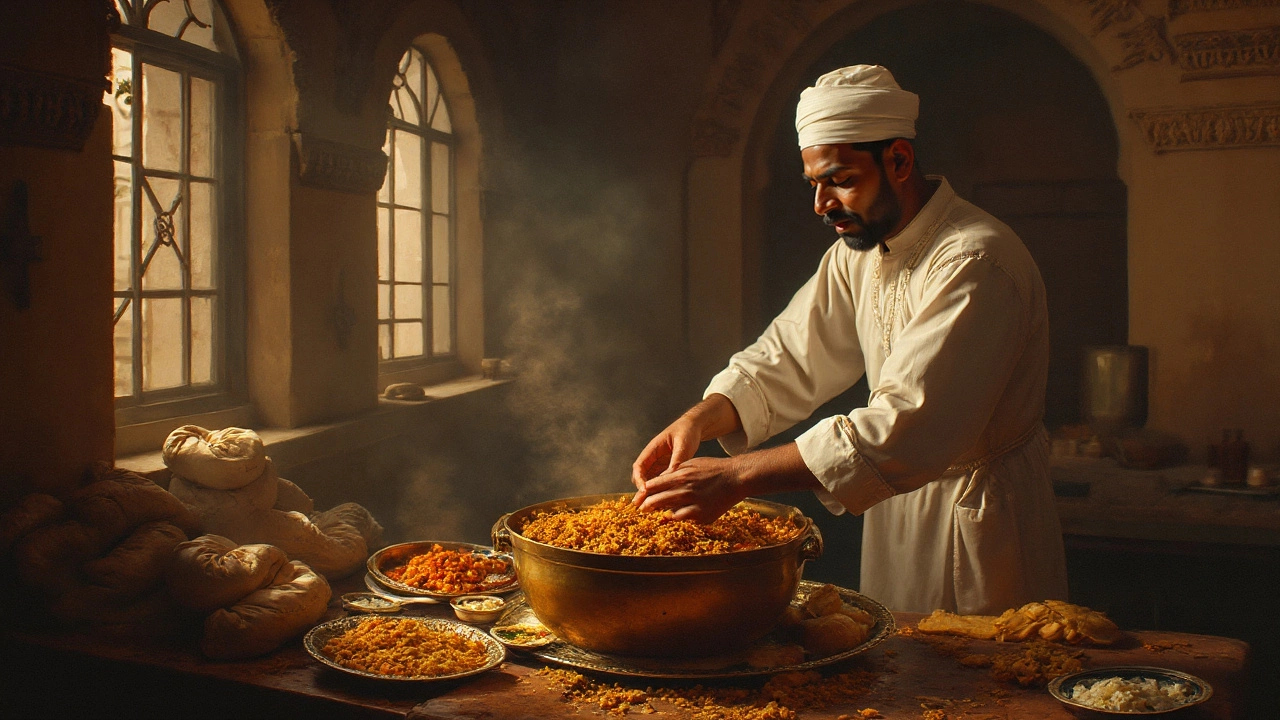
When you think of authentic biryani, a fragrant, layered rice dish with meat, spices, and slow-cooked depth. Also known as biryani rice, it's not just a meal—it's a cultural ritual passed down through generations in homes across India. This isn’t the same as a simple curry with rice. Real biryani is built in layers: par-cooked basmati rice, marinated meat or vegetables, fried onions, saffron-infused milk, and whole spices like cardamom and cloves. Each layer is added with care, then sealed and cooked low and slow—traditionally in a heavy pot called a handi.
The difference between a good biryani and a great one comes down to three things: the rice, the spice blend, and the technique. basmati rice, a long-grain aromatic rice that stays separate and fluffy when cooked. Also known as Indian long grain rice, it’s non-negotiable for real biryani—short-grain rice turns mushy and loses the signature texture. Then there’s the spice mix. Unlike garam masala used in curries, biryani spices are often toasted whole and ground fresh—cinnamon, star anise, black pepper, and mace. And the method? It’s not stir-fried. It’s layered and dum-cooked, meaning the pot is sealed with dough or a lid and cooked over low heat so the steam locks in every flavor.
There’s no single recipe for biryani. In Hyderabadi biryani, a spicy, bold style from Telangana with fried onions, yogurt-marinated meat, and red chili heat. Also known as Hyderabadi dum biryani, it’s made with goat meat and a fiery red masala. In contrast, Lucknow biryani, a delicate, aromatic version from Uttar Pradesh with tender chicken, subtle saffron, and rose water. Also known as Awadhi biryani, it’s all about finesse—less heat, more fragrance. Some families use potatoes. Others add boiled eggs. Some cook the meat and rice together. Others layer them separately. All are valid—because authenticity isn’t about one rule. It’s about intention.
What you won’t find in authentic biryani? Pre-made biryani masala packets, instant rice, or microwave shortcuts. Real biryani takes time—hours, sometimes. But the result? A dish that fills a room the moment you lift the lid. The rice is separate, each grain holding its own flavor. The meat falls off the bone. The aroma? It lingers. And that’s why people travel across India just for a plate.
Below, you’ll find real recipes, common mistakes to avoid, and how to make biryani work in your kitchen—even without a tandoor or handi. Whether you’re trying to recreate your grandmother’s version or just want to taste what real Indian biryani feels like, these posts will show you how.
Why Is There Potato in Biryani? History, Regions, and How to Cook It Right
Curious why some biryanis include potato? Learn the history, where it’s authentic, how it changes flavor and texture, and the best way to cook and layer it.
View More