Ancient Indian Sweets: Timeless Desserts with Deep Roots
When you think of ancient Indian sweets, traditional desserts rooted in Vedic rituals and regional harvests, often made with jaggery, milk, and nuts rather than refined sugar. Also known as traditional Indian desserts, these treats weren’t just for festivals—they were offerings, medicine, and daily comfort rolled into one. Unlike modern candies, these sweets didn’t rely on imported sugar. Instead, they used what the land gave: jaggery from sugarcane, milk from cows revered in temple yards, and spices like cardamom and saffron grown in backyard gardens.
One of the oldest known sweets is kheer, a rice pudding cooked slowly in milk, often flavored with cardamom and garnished with nuts. Also known as payasam, it appears in texts from over 2,000 years ago as a ritual offering in South Indian temples. Even today, families make it during childbirth, weddings, and religious days—not because it’s trendy, but because it carries meaning. Then there’s jaggery sweets, dense, chewy treats made from unrefined cane sugar, often mixed with sesame, coconut, or lentils. Also known as gur-based desserts, they’re still sold in village markets across Uttar Pradesh, Bihar, and Tamil Nadu, where people know jaggery doesn’t spike blood sugar like white sugar does. These aren’t just recipes passed down—they’re cultural anchors. You’ll find them in Ayurvedic texts as tonics for digestion, in temple kitchens as prasad, and in grandmothers’ kitchens as a way to celebrate small wins.
What makes these sweets different from today’s sugar-heavy desserts? They’re slow-made, rarely fried, and often tied to seasons. A sweet made with fresh coconut in monsoon? That’s not a dessert—it’s a response to the climate. A jaggery ball eaten after a heavy meal? That’s not indulgence—it’s tradition as medicine. The ancient Indian sweets you’ll find in the posts below aren’t just recipes. They’re stories. You’ll read about how kheer became India’s oldest sweet, why some families still grind their own jaggery, and how a simple milk-and-rice pudding outlasted empires. These are the desserts that never needed a trend to survive.
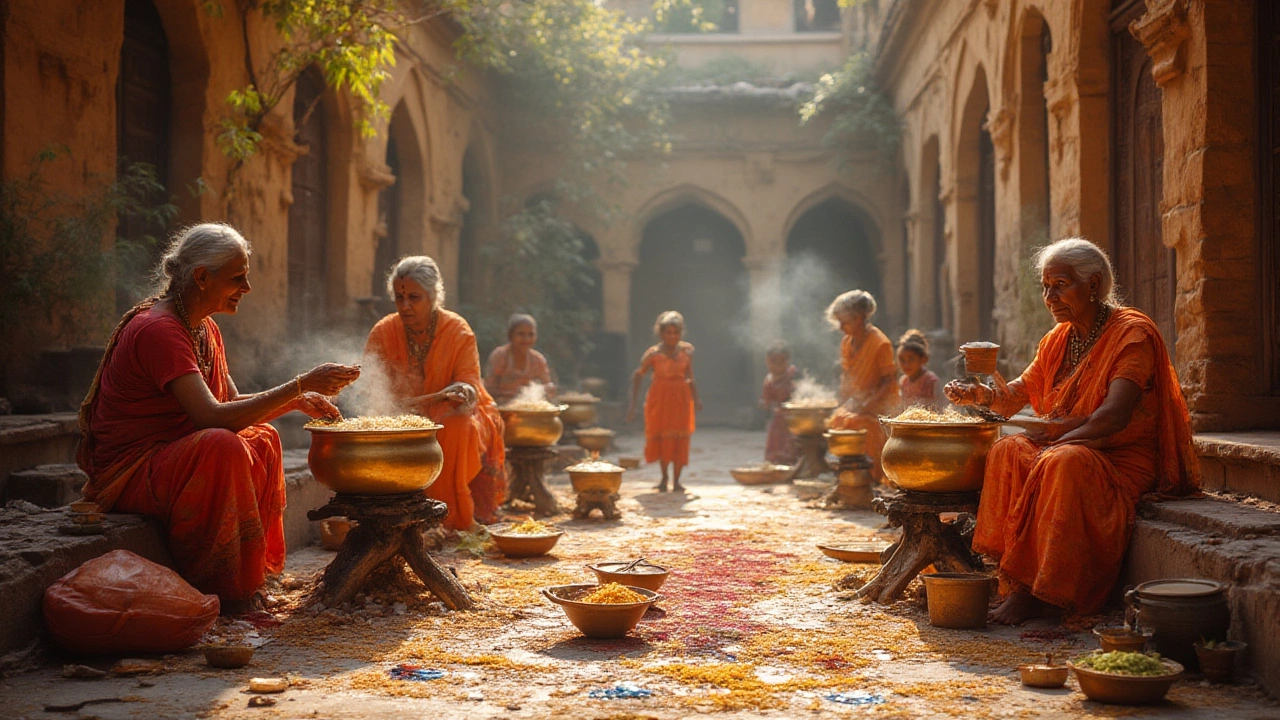
Tracing the Sweet Origins: Discovering the Oldest Indian Dessert in History
Curious about the oldest known dessert of India? Delve into the history, fascinating facts, and timeless recipes that shaped Indian sweets.
View More