Curry Spice Blend Ratio Calculator
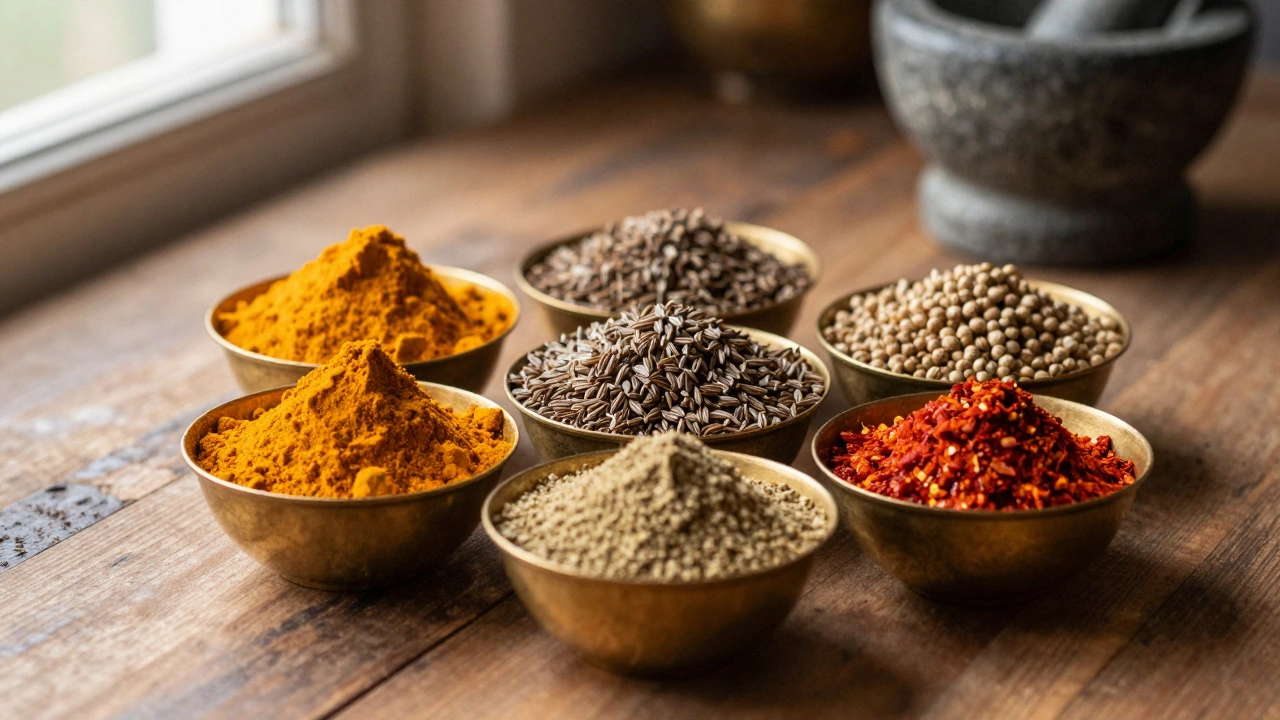
Use the professional 1:2:2 ratio (1 part Turmeric, 2 parts Cumin, 2 parts Coriander) to ensure your curry has a beautiful golden color without becoming overly bitter.
Your Custom Blend:
You've probably noticed that almost every picture of a rich, hearty curry has that unmistakable golden glow. It's easy to assume that Turmeric is a bright yellow rhizome from the ginger family used for its earthy flavor and vivid color is the sole driver of that taste. But if you've ever tried a pinch of raw turmeric powder, you know it's actually quite bitter and pungent on its own. It doesn't have the complexity to carry a whole dish. So, is it the main spice? In terms of color, yes. In terms of flavor, it's actually a supporting actor in a very large cast.
The Truth About the "Curry" Flavor
First, we have to address a common misunderstanding: "Curry" isn't actually a single spice. It's a broad term for a variety of dishes that use a complex blend of spices. When people buy a jar of Curry Powder, they are buying a pre-mixed blend created largely by British colonists to standardize the diverse flavors of the Indian subcontinent. In a real Indian kitchen, you won't find a "curry powder" jar; you'll find individual spices that are toasted and ground fresh.
If you look at a standard blend, turmeric is usually the most prominent by volume because it provides the base color and a mild earthiness. However, the "main" flavor usually comes from the heavy hitters: Cumin for nuttiness, Coriander for a citrusy, floral note, and Black Pepper or chilies for heat. Without these, your dish would just taste like bitter yellow water.
The Role of Turmeric in a Chicken Curry
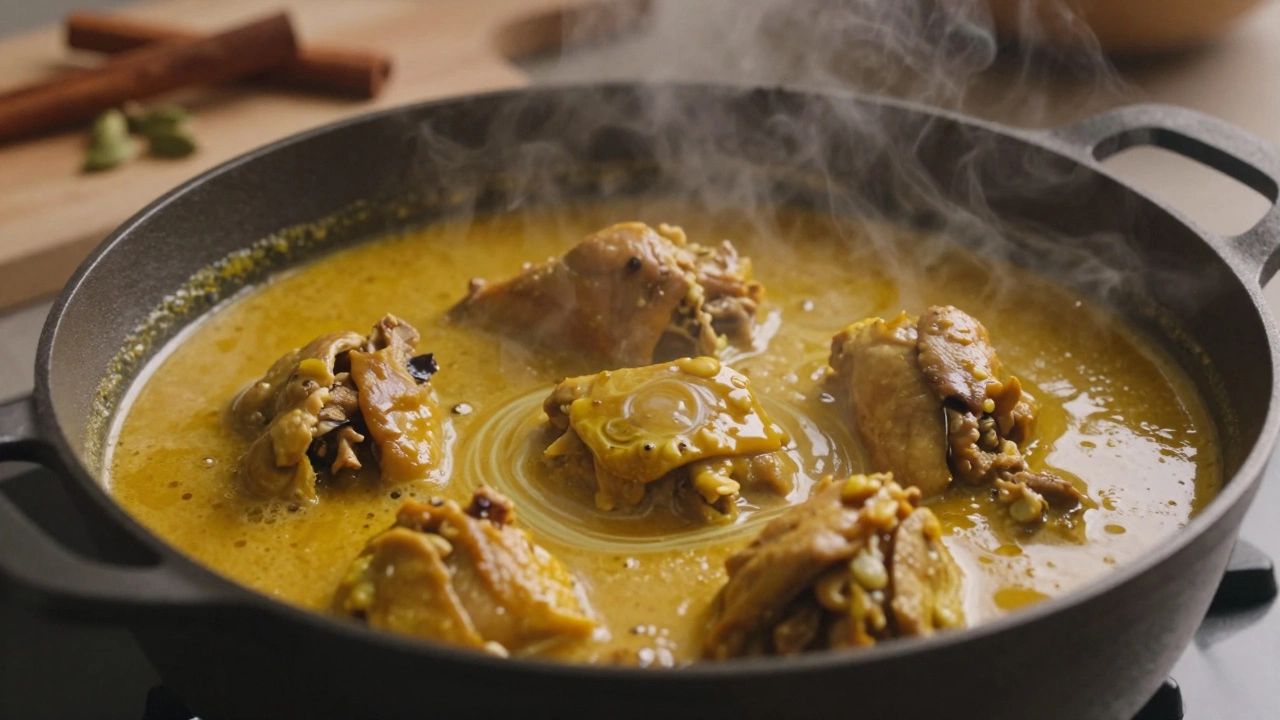
When you're making a chicken curry flavor, turmeric serves three specific purposes. First, it acts as a natural preservative and anti-inflammatory agent, which is why it's used in almost every savory Indian dish. Second, it creates a visual appetite appeal. Third, it provides a grounding, woody note that balances the sharper flavors of garlic and ginger.
Imagine you're searing chicken thighs for a dinner party. If you only used turmeric, the chicken would look beautiful but taste flat. You need the aromatic punch of Garam Masala-which is a blend of warming spices like cinnamon, cloves, and cardamom added toward the end of cooking-to create that deep, layered smell that fills the room. Turmeric is the canvas, but the other spices are the paint.
| Spice | Primary Role | Flavor Profile | Intensity |
|---|---|---|---|
| Turmeric | Color & Base | Earthy, Bitter | Medium |
| Cumin | Aroma | Smoky, Nutty | High |
| Coriander | Body/Thickness | Citrusy, Sweet | Medium |
| Cardamom | Top Note | Floral, Sweet | High |
| Cayenne/Chili | Heat | Pungent, Spicy | Very High |
How to Balance Spices for the Perfect Dish
If you want your curry to taste professional, you can't just dump everything in at once. The timing of when you add your spices changes the chemistry of the meal. This is where many home cooks go wrong. They treat all powders the same, but the oils in spices react differently to heat.
Start by frying your whole spices-like cinnamon sticks or green cardamom pods-in hot oil. This is called tempering. Once those release their scent, add your aromatics: finely chopped onions, garlic, and ginger. Only then should you add the ground powders, including turmeric. If you put turmeric in too early or leave it too long without liquid, it can burn and become incredibly bitter, ruining the entire pot.
For a standard chicken curry, a good rule of thumb is the "1:2:2 ratio": one part turmeric, two parts cumin, and two parts coriander. This ensures the turmeric doesn't overpower the other flavors while still giving you that iconic gold color.
Beyond the Yellow: Other Types of Curries
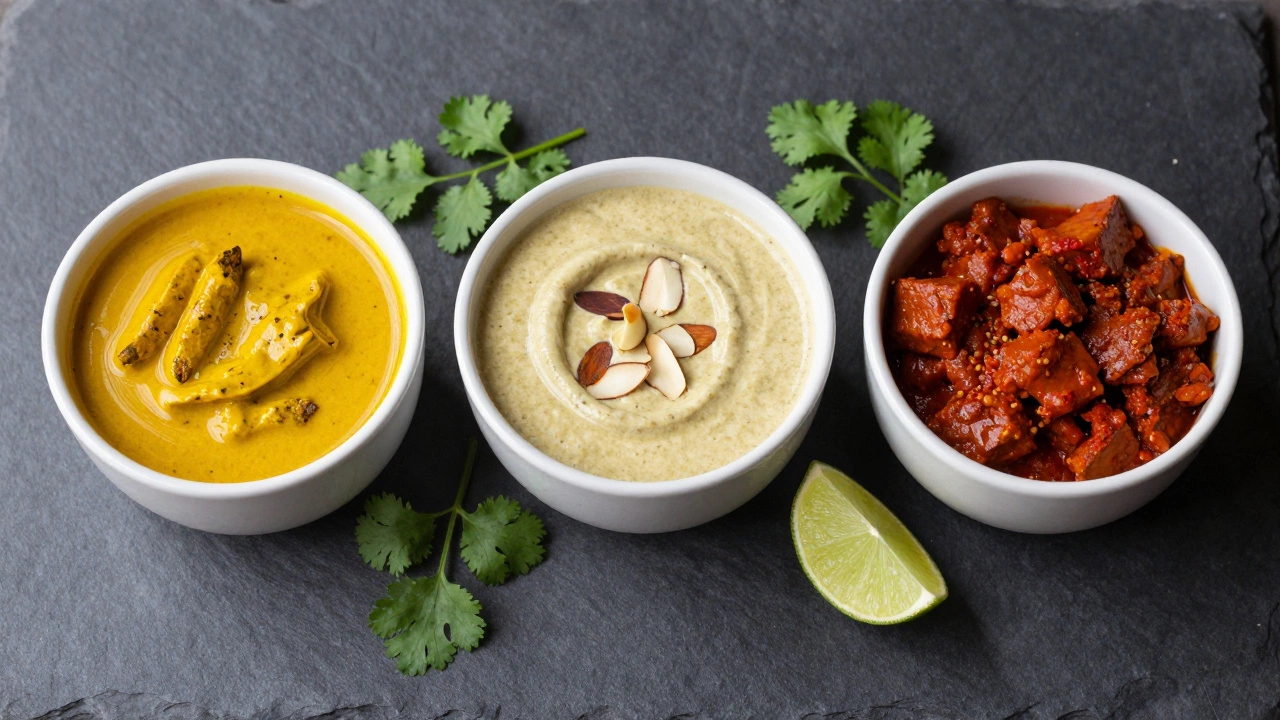
Not all curries are yellow. If you look at a Korma, the flavor profile shifts toward cream, nuts, and sweetness, with far less turmeric and more cardamom. On the other hand, a Vindaloo focuses on vinegar and heavy amounts of red chili powder, where the turmeric is almost invisible in the flavor profile but still present for health benefits and subtle depth.
In Thailand, the "curry" logic is different. Thai Green Curry gets its color from fresh green chilies and cilantro, and Thai Red Curry uses a paste of dried red chilies. While some Thai pastes do use a small amount of turmeric, it's certainly not the star of the show. The dominant flavors there are lemongrass, galangal, and shrimp paste.
Common Pitfalls When Using Turmeric
Since turmeric is so powerful, it's easy to overdo it. Have you ever had a curry that tasted slightly like soap or felt "dusty" on your tongue? That's usually a sign of too much turmeric. Because it's a root powder, adding too much can create a gritty texture and a medicinal taste.
Another mistake is using old turmeric. Like all spices, the volatile oils evaporate over time. If your turmeric powder looks pale yellow instead of deep orange-gold, it has lost its potency. You'll find yourself adding more to get the color, but you'll only end up with a bland, bitter dish. Always smell your spices before using them; they should smell fresh and sharp, not like old cardboard.
Pro Tips for Better Flavor Extraction
- Bloom your spices: Always cook your turmeric and other ground spices in fat (oil or ghee) for 30-60 seconds before adding water or coconut milk. This "blooms" the flavor and removes the raw, starchy taste.
- Use a pinch of salt early: Adding salt when sautéing your onions helps them break down faster, creating a thicker base for your turmeric to cling to.
- Finish with fresh herbs: Balance the earthiness of turmeric with a handful of fresh chopped cilantro (coriander leaves) at the very end. The brightness cuts through the heavy spice profile.
- Add a touch of acidity: A squeeze of lime juice or a dollop of yogurt at the end neutralizes the bitterness of turmeric and makes the other spices pop.
Can I substitute turmeric if I don't have any?
If you only need the color, a tiny bit of saffron can work, though it's expensive and tastes different. For flavor, there isn't a direct substitute for turmeric's earthy profile, but you can use a store-bought curry powder which already contains turmeric. If you're avoiding it for health reasons, just omit it; the dish will lose its yellow color, but the other spices will still provide plenty of flavor.
Why does my curry taste bitter even though I followed the recipe?
The most common reason is burning the turmeric. If the pan is too hot and there isn't enough oil or liquid, turmeric burns quickly. Another reason could be using too much powder; turmeric is potent, and exceeding the recommended amount often leads to a medicinal or bitter aftertaste.
What is the difference between turmeric and curry powder?
Turmeric is a single spice-a root powder. Curry powder is a blend of several spices, usually including turmeric, cumin, coriander, fenugreek, and chili powder. You can use turmeric to make curry powder, but you cannot use curry powder as a replacement for pure turmeric in recipes that require a specific ratio of ingredients.
Does turmeric make curry spicy?
No, turmeric provides no "heat." It is an earthy, mild spice. The spicy kick in a curry comes from chilies, cayenne pepper, or black pepper. If you want a mild curry, you can use plenty of turmeric for color without worrying about it making the dish too hot.
How long does turmeric powder stay fresh?
Generally, ground turmeric stays potent for about 6 to 12 months if stored in a cool, dark place in an airtight container. Since it's a root powder, it loses its aroma faster than whole seeds. If it looks pale or doesn't smell like anything, it's time to buy a new jar.
Next Steps for Your Spice Journey
If you're feeling confident with your turmeric levels, try experimenting with your own blends. Stop buying the pre-made jars and try mixing your own "house" curry powder using the 1:2:2 ratio mentioned above. You can adjust it to be more smoky by adding smoked paprika or more floral by adding a pinch of ground cardamom.
For those who want to go deeper, look into "Tadka" or "Chonk." This is the process of heating spices in oil at the very end of cooking and pouring them over the dish. It's a game-changer for chicken curries, as it preserves the volatile oils of the spices that are usually lost during the long simmering process.