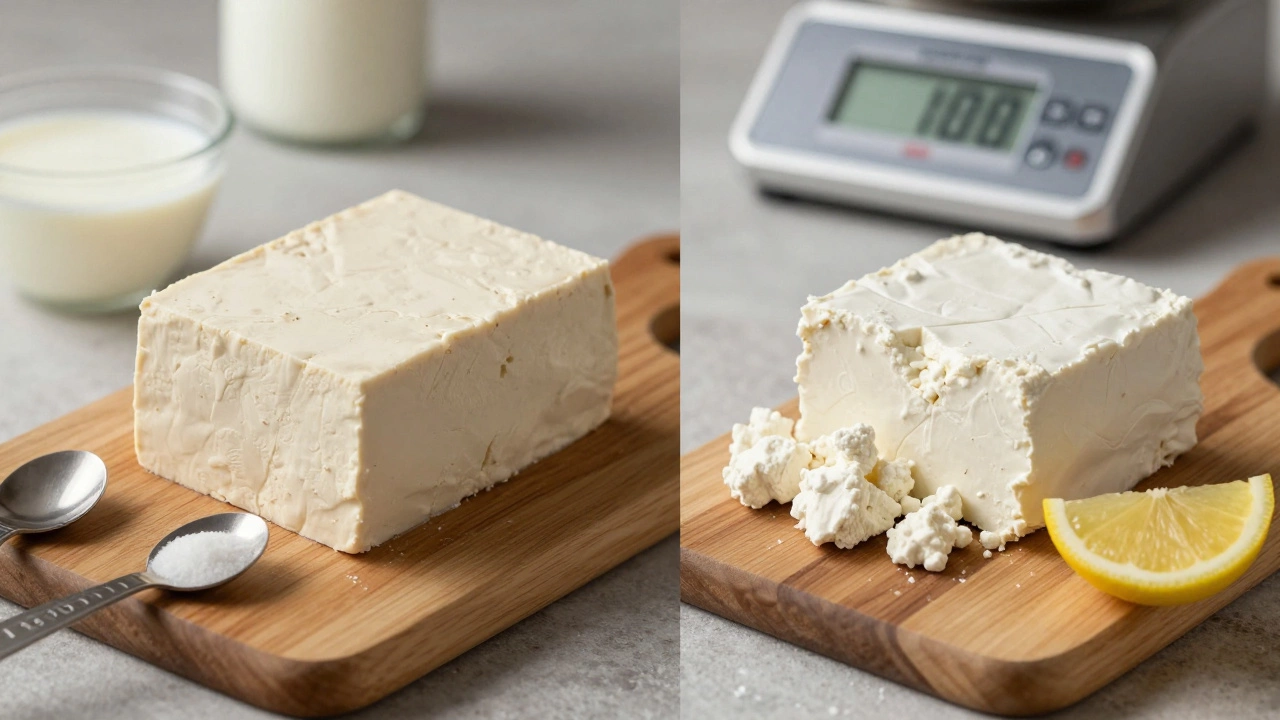
Tofu vs Paneer Nutrition Calculator
Comparison
Which is better for you?
Tofu is better for weight loss and heart health due to lower calories and saturated fat. Paneer provides more protein but has higher saturated fat.
When you’re trying to eat better, protein matters. But not all protein is created equal. If you’re choosing between tofu and paneer-two staples in vegetarian diets-you’re not just picking a food. You’re picking a whole different way of feeding your body.
What’s actually in tofu?
Tofu is made by curdling fresh soy milk, pressing it into a solid block, and then cooling it-kind of like making cheese. But instead of milk, it starts with soybeans. A 100-gram serving of firm tofu has about 8 grams of protein, 4 grams of fat, and just 70 calories. It’s low in saturated fat and contains no cholesterol. What makes tofu stand out is its calcium content-especially if it’s made with calcium sulfate as a coagulant. That kind of tofu gives you nearly 350 mg of calcium per 100 grams, which is more than a glass of milk.
It also has isoflavones, plant compounds that act like weak estrogens in the body. Studies from the American Journal of Clinical Nutrition show that regular soy intake may help lower LDL (bad) cholesterol and reduce the risk of heart disease. Tofu is also rich in iron, magnesium, and manganese-all minerals many vegetarians struggle to get enough of.
What’s actually in paneer?
Paneer is Indian cottage cheese. It’s made by boiling milk and adding lemon juice or vinegar to curdle it. The curds are strained and pressed into a block. A 100-gram serving of paneer has around 18 grams of protein-more than double tofu’s amount. But it also has 20 grams of fat, with about 12 grams being saturated. That’s nearly 60% of your daily saturated fat limit in just one serving. It contains 200-250 calories, depending on how much milk fat was used.
Panneer is high in calcium too-around 200 mg per 100 grams-but it’s also high in sodium if you’re using store-bought versions or adding salt during cooking. Homemade paneer made with whole milk can be a good source of vitamin B12 and phosphorus, which help with nerve function and bone health. But it’s not a low-calorie or low-fat food. If you’re watching your weight or cholesterol, paneer can add up fast.
Protein isn’t the whole story
People often assume more protein = better. But that’s not always true. Tofu gives you less protein per gram, but it’s packed with other benefits. For example, tofu has zero cholesterol. Paneer, being a dairy product, contains cholesterol-about 60 mg per 100 grams. That’s not huge, but if you’re eating paneer daily in curries or grilled dishes, it adds up.
Then there’s the fat profile. Tofu’s fat is mostly unsaturated-good fats that support heart health. Paneer’s fat is mostly saturated, which raises LDL cholesterol when eaten in excess. The American Heart Association recommends keeping saturated fat under 13 grams a day. One serving of paneer can eat up nearly all of that.
And let’s not forget digestion. Many people have trouble digesting lactose, the sugar in milk. Even though paneer has less lactose than milk, it’s not gone. Tofu is naturally lactose-free. If you get bloated after eating paneer, tofu might be your better choice.
Who should eat tofu?
If you’re trying to lose weight, manage cholesterol, or avoid dairy, tofu is your friend. It’s perfect for people with lactose intolerance, dairy allergies, or those following a plant-based diet. Athletes who need lean protein without the fat load also benefit. Tofu absorbs flavors well, so you can use it in stir-fries, scrambles, curries, or even smoothies.
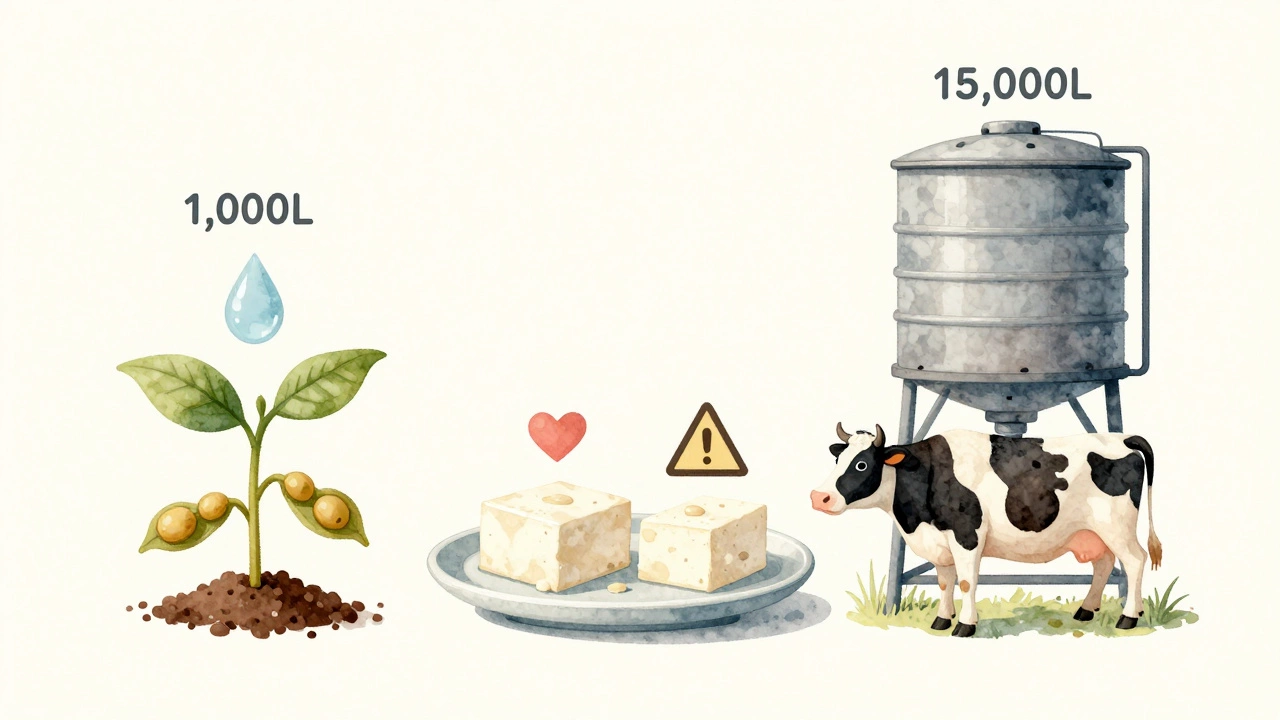
It’s also more sustainable. Producing one kilogram of tofu uses about 1,000 liters of water. Producing one kilogram of paneer made from cow’s milk uses over 15,000 liters. That’s a massive difference if you care about your environmental footprint.
Who should eat paneer?
Paneer makes sense if you need a quick, dense protein boost and don’t have dairy sensitivities. It’s great for growing kids, pregnant women, or older adults who need more protein to maintain muscle. If you’re active and burn a lot of calories, paneer’s higher calorie content can help you meet energy needs. Homemade paneer made with low-fat milk is a smarter version-it cuts the saturated fat by nearly half while keeping the protein high.
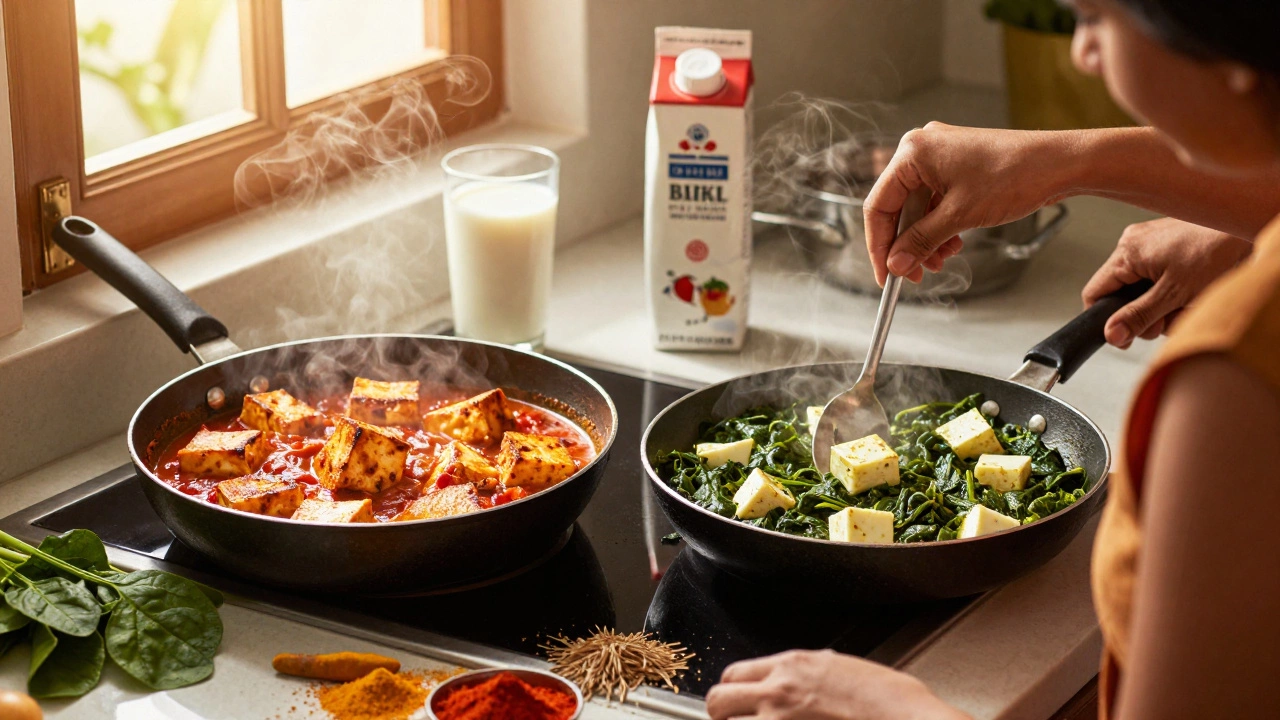
Paneer also has a texture and flavor that tofu doesn’t replicate. It’s firm, slightly sweet, and holds its shape when grilled or fried. For dishes like paneer tikka, palak paneer, or paneer butter masala, nothing else works quite the same.
Can you eat both?
Yes. You don’t have to pick one forever. The best approach is balance. Use tofu a few days a week for lighter meals-like tofu stir-fry with veggies or a breakfast scramble. Save paneer for special dishes where its texture matters, like weekend curries or festive meals.
Try swapping paneer for tofu in your next curry. You’ll be surprised how well it works. Tofu absorbs spices beautifully, and when pressed and pan-fried, it gets a nice crust. Many Indian households are already doing this-especially in urban areas where health awareness is rising.
What about processed versions?
Watch out for flavored tofu or pre-marinated paneer. Many store-bought tofu blocks come with added salt, sugar, or preservatives. Some paneer brands add cream or stabilizers to make it creamier. Always check the label. The healthiest versions are plain, unsalted, and minimally processed.
Homemade tofu is easy to make if you have soy milk and a coagulant like nigari or calcium sulfate. Homemade paneer is even simpler-just boil milk, add lemon juice, strain, and press. You control what goes in.
Bottom line: It depends on your goals
If your goal is heart health, weight loss, or reducing saturated fat-go with tofu. If you need high protein, enjoy dairy, and aren’t worried about calories-paneer works fine in moderation. Neither is “better” across the board. But if you’re eating either daily, tofu gives you more health benefits per bite.
For most people, mixing both is the smartest move. Use tofu as your everyday protein. Keep paneer for the dishes you love. That way, you get the best of both worlds-nutrition and flavor.
Is tofu better than paneer for weight loss?
Yes, tofu is better for weight loss because it has fewer calories and almost no saturated fat. A 100-gram serving of tofu has about 70 calories, while paneer has 200-250. Tofu keeps you full with less energy, making it easier to stay in a calorie deficit.
Does paneer raise cholesterol?
Paneer can raise cholesterol if eaten often and in large amounts because it’s high in saturated fat. One 100-gram serving contains about 12 grams of saturated fat, which is close to the daily limit recommended by heart health organizations. Choosing low-fat paneer or eating it only a few times a week helps reduce this risk.
Can I replace paneer with tofu in Indian recipes?
Yes, you can replace paneer with tofu in most Indian recipes. Press the tofu well to remove water, then pan-fry or bake it until firm. It works great in palak, masala, or tikka-style dishes. The flavor changes slightly, but many people can’t tell the difference once spices are added.
Is tofu a good source of calcium?
Yes, if it’s made with calcium sulfate or calcium chloride. That type of tofu can provide up to 350 mg of calcium per 100 grams-more than milk. Always check the label for “calcium-set” or “calcium sulfate” in the ingredients. Not all tofu is high in calcium, so this matters.
Which is better for building muscle: tofu or paneer?
Paneer has more protein per gram-18 grams vs. 8 grams in tofu-so it’s better for muscle building if you’re eating it in large amounts. But tofu is still useful, especially when combined with other plant proteins like lentils or quinoa. For optimal results, pair tofu with a variety of protein sources throughout the day.