Tandoori Chicken Health & Nutrition Calculator
Input Parameters
Nutritional Breakdown
- Keto-Friendly: Yes
- High Protein: Yes
- Low Sodium: Depends
Update inputs to see specific health notes.
Picture this: you’re at a bustling Indian restaurant, the air smells of smoky charcoal and roasted spices. The waiter brings out a plate of fiery red Tandoori Chicken, a classic North Indian dish where chicken is marinated in yogurt and spices then cooked in a clay oven called a tandoor. It looks incredible. But before you take that first bite, you might be wondering: is this actually good for your body, or is it just a spicy trap?
The short answer? It depends entirely on how it’s made. Traditional tandoori chicken can be a powerhouse of lean protein, but the version you get at many modern restaurants often hides unhealthy secrets behind those vibrant colors. Let’s break down exactly what makes this dish tick, whether it fits into your diet, and how to make the best version at home.
What Actually Makes Tandoori Chicken "Tandoori"?
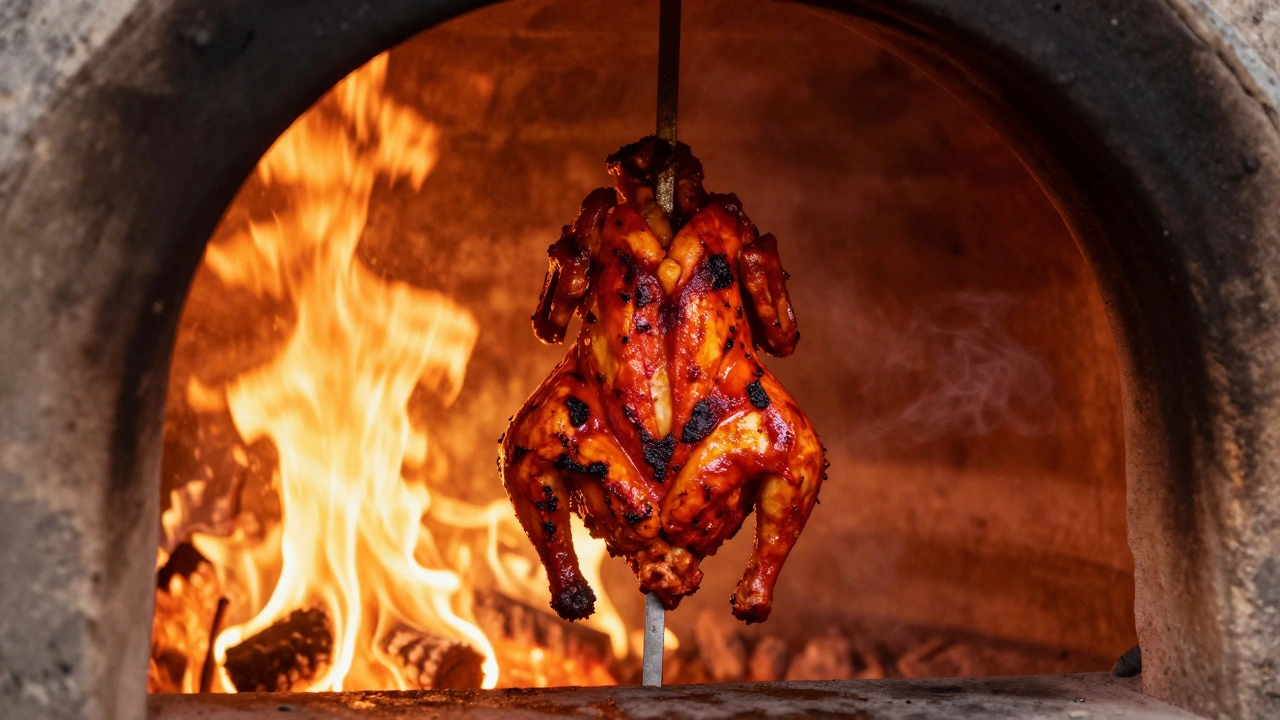
To understand if it’s good or bad for you, we first need to look at the cooking method. The name comes from the Tandoor, a cylindrical clay or metal oven used in Central Asian and South Asian cuisine.. Unlike a standard electric oven that heats from the top and bottom, a tandoor gets incredibly hot-up to 480°C (900°F)-and cooks food by radiating heat from its walls.
This high-heat environment does two things:
- Seals in juices: The skin crisps up instantly, locking moisture inside the meat.
- Adds flavor: If coal is used, the smoke infuses the chicken with a distinct aroma that you just can’t replicate with a microwave.
Because the chicken is usually skewered and hung vertically, excess fat drips away during cooking. This means traditional tandoori chicken is naturally lower in fat than fried chicken or even pan-fried cuts. That’s a win right out of the gate.
The Health Verdict: Good or Bad?
So, is it healthy? Let’s look at the nutrients. A standard serving of homemade tandoori chicken (about 150g) contains roughly:
- Calories: 180-220 kcal
- Protein: 30-35g
- Fat: 6-8g
- Carbs: 2-4g (mostly from the marinade)
Compared to a breaded chicken fry which can easily hit 400+ calories and 20g of fat, tandoori chicken is significantly lighter. It’s packed with high-quality protein, which helps build muscle and keeps you full longer. The marinade typically includes yogurt, which adds probiotics and calcium, plus spices like turmeric and ginger that have anti-inflammatory properties.
However, there are some red flags. Many restaurants use artificial red food coloring (like Ponceau 4R or Allura Red) to make the chicken look brighter and more appealing. These dyes have been linked to hyperactivity in children and other health concerns. Additionally, some places add extra oil or butter to the grill to prevent sticking, which spikes the calorie count. If you’re watching your sodium intake, be careful-the salt in the marinade can be surprisingly high.
The Secret Ingredients: What’s in the Marinade?
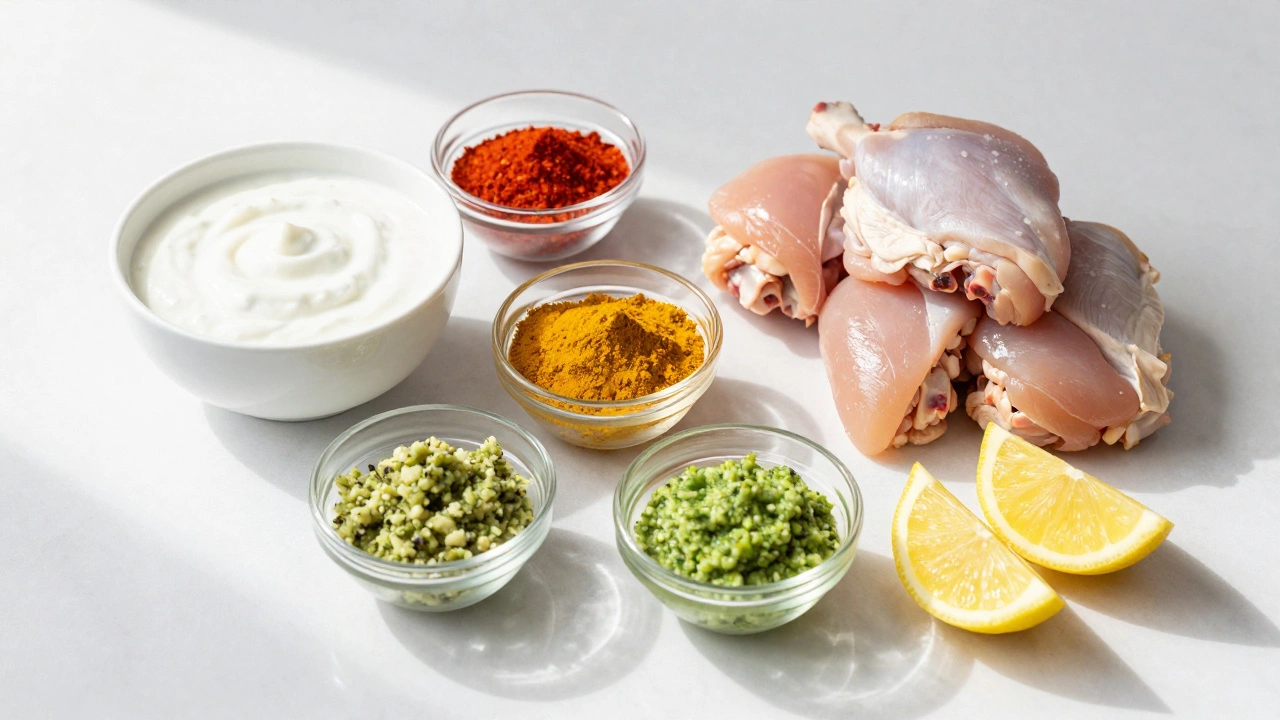
The magic of tandoori chicken isn’t just the heat; it’s the marinade. This is where the flavor lives, and also where hidden calories can hide. Here are the core components:
- Yogurt (Dahi): The base. It tenderizes the meat because the lactic acid breaks down tough fibers. Full-fat yogurt gives a richer taste, while low-fat works too but might result in slightly drier meat.
- Ginger-Garlic Paste: Essential for depth and aroma. Freshly ground is always better than jarred paste, which often contains preservatives.
- Lemon Juice: Adds acidity to balance the richness of the yogurt.
- Spices: Kashmiri chili powder (for color without extreme heat), garam masala, cumin, coriander, and turmeric.
- Salt: To taste, but don’t overdo it.
Avoid adding sugar or honey unless you specifically want a sweeter profile, as this increases the glycemic load. Stick to natural ingredients for the cleanest nutritional profile.
Homemade vs. Restaurant: Why You Should Cook It Yourself
Here’s the truth: making tandoori chicken at home is easier than you think, and it’s much healthier. When you cook it yourself, you control the oil, the salt, and absolutely no artificial colors. Plus, you save money.
| Feature | Homemade | Restaurant |
|---|---|---|
| Calories (per serving) | ~200 kcal | ~300-400 kcal |
| Artificial Colors | None (natural spice color) | Often present |
| Oil Content | Minimal (brushed on) | Variable (often higher) |
| Sodium Level | Controlled | Usually High |
| Cost | Low | High |
You don’t need a real clay tandoor oven. Your regular oven or an air fryer works perfectly fine. The key is getting the temperature as high as possible to mimic that searing effect.
How to Make Healthy Tandoori Chicken at Home
Ready to try it? Here’s a simple, foolproof recipe that delivers authentic flavor without the guilt.
Ingredients
- 500g boneless chicken thighs or breast cubes
- 1 cup thick plain yogurt (curd)
- 1 tbsp ginger-garlic paste
- 1 tsp Kashmiri red chili powder (mild heat, great color)
- 1/2 tsp turmeric powder
- 1 tsp garam masala
- 1 tsp cumin powder
- Juice of 1 lemon
- Salt to taste
- 1 tbsp olive oil or mustard oil (for brushing)
Steps
- Marinate: In a bowl, mix yogurt, ginger-garlic paste, all spices, lemon juice, and salt. Add the chicken pieces and coat them thoroughly. Cover and refrigerate for at least 4 hours, preferably overnight. The longer it sits, the more tender it gets.
- Preheat: Turn your oven to its highest setting (usually 220°C / 425°F). If using an air fryer, preheat to 200°C (400°F).
- Arrange: Thread the chicken onto skewers if you have them, or place them on a baking tray lined with parchment paper. Brush lightly with oil.
- Cook: Bake for 15-20 minutes, flipping halfway through, until the chicken is charred at the edges and cooked through (internal temp 75°C / 165°F). For air fryers, cook for 12-15 minutes.
- Serve: Garnish with fresh cilantro and lemon wedges.
Serving Suggestions: Keep It Balanced
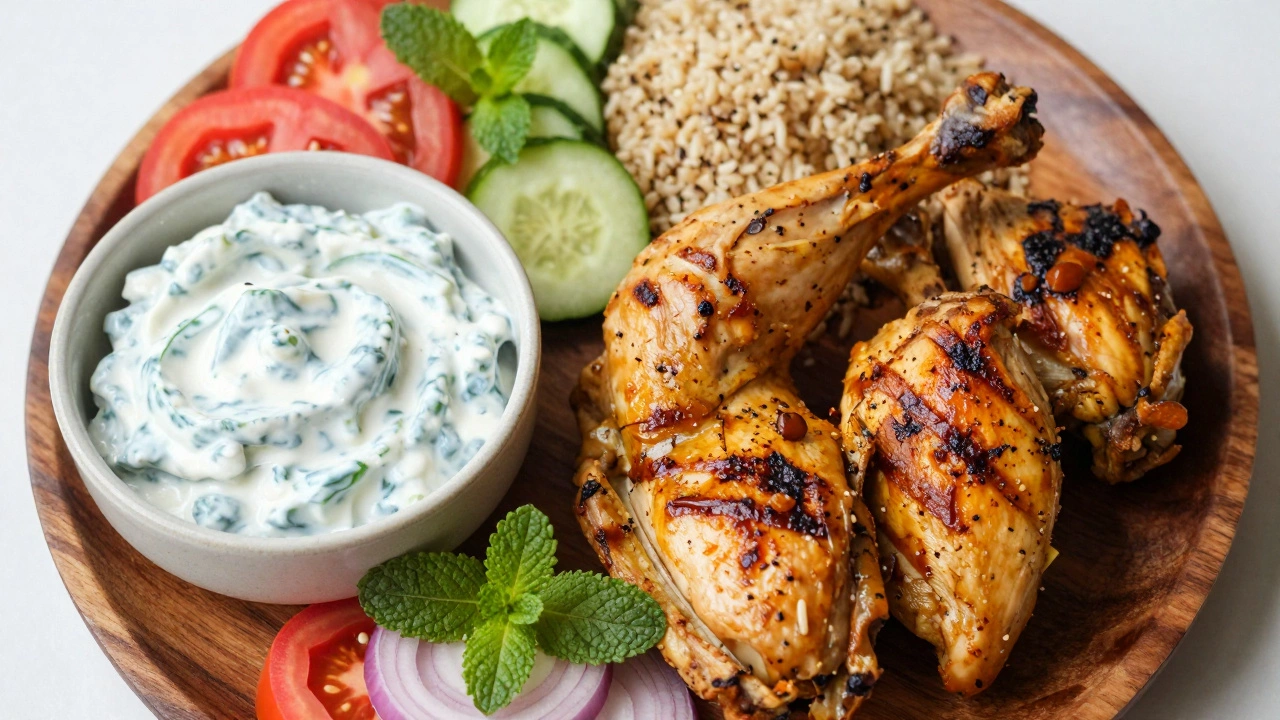
Tandoori chicken is delicious on its own, but pairing it wisely makes for a complete meal. Since it’s already high in protein, focus on fiber and complex carbs.
- Raita: A cool yogurt sauce with cucumber and mint balances the spices and aids digestion.
- Salad: Sliced onions, tomatoes, and lettuce add crunch and vitamins.
- Whole Grains: Serve with brown rice or quinoa instead of white naan bread to keep the glycemic index lower.
- Vegetables: Roasted bell peppers or grilled broccoli complement the smoky flavor.
Avoid heavy sides like creamy pasta or fried samosas, which will negate the health benefits of the lean chicken.
Who Should Avoid Tandoori Chicken?
While generally healthy, it’s not for everyone. If you have a lactose intolerance, the yogurt marinade might cause issues, though most people tolerate fermented dairy well. Those with severe kidney disease should monitor their sodium intake closely, as the marinade can be salty. Always ask about ingredients if you have specific allergies, especially to nuts or certain spices.
Final Thoughts: Enjoy It Wisely
Is tandoori chicken good or bad? It’s definitely good when prepared traditionally. It’s a lean, protein-rich option that satisfies cravings without weighing you down. The key is avoiding the processed versions loaded with dye and excess oil. By making it at home, you get all the flavor with none of the downsides. So go ahead, fire up the oven, and enjoy this timeless dish.
Is tandoori chicken keto-friendly?
Yes, tandoori chicken is very keto-friendly. It is high in protein and low in carbohydrates. Just ensure the marinade doesn't contain added sugar or honey. Stick to yogurt, spices, and oil for a perfect fit within a ketogenic diet.
Why is tandoori chicken red?
Traditionally, the red color comes from Kashmiri red chili powder, which provides a mild heat and vibrant hue. However, many commercial establishments use artificial red food coloring (such as Ponceau 4R) to achieve a brighter, more uniform look. Homemade versions rely on natural spices for color.
Can I make tandoori chicken in an air fryer?
Absolutely. An air fryer is excellent for making tandoori chicken because it circulates hot air quickly, creating a crispy exterior similar to a tandoor oven. Cook at 200°C (400°F) for 12-15 minutes, shaking the basket halfway through.
How long should I marinate tandoori chicken?
For the best results, marinate the chicken for at least 4 hours, but overnight is ideal. The lactic acid in the yogurt needs time to break down the muscle fibers, resulting in tender, juicy meat. Quick marination (30 minutes) works in a pinch but won't be as flavorful or tender.
Is tandoori chicken high in cholesterol?
Chicken itself contains moderate amounts of cholesterol, but recent dietary guidelines suggest that dietary cholesterol has less impact on blood cholesterol levels than saturated fats. Tandoori chicken is low in saturated fat compared to fried options, making it a reasonable choice for heart-healthy diets when consumed in moderation.