Sikh Dietary Choice Checker
Many people are confused about what Sikhs can eat. This tool helps clarify whether specific foods or scenarios align with core Sikh teachings. Remember: Sikhism generally focuses on intention and equality rather than strict ingredient bans.
Result Title
Select a food item and click "Check Alignment" to see the explanation.
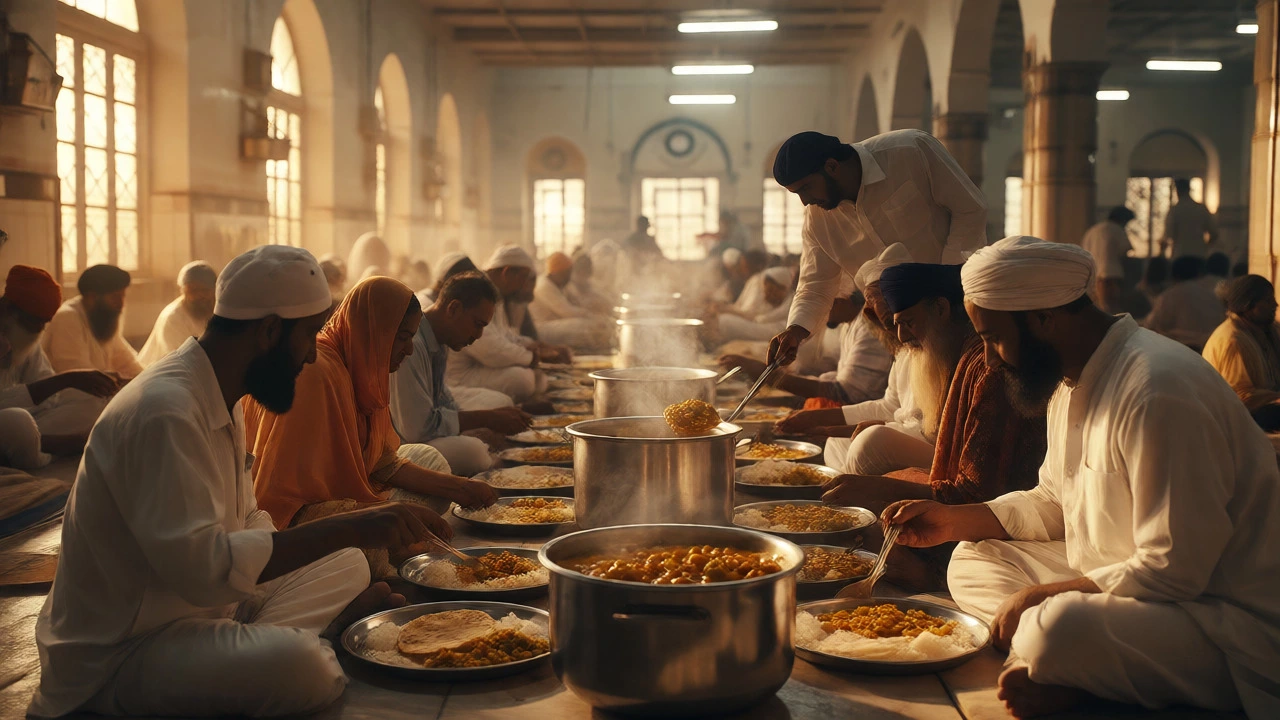
You walk into a Gurdwara kitchen, the smell of warm dal and roti hanging in the air. You see someone serving up chicken curry. But wait-didn’t you hear that Sikhs are supposed to be vegetarian? Is eating meat actually a sin? If you’ve ever felt confused by conflicting advice from family elders versus what you read online, you’re not alone. The short answer is no, eating chicken isn’t a sin in Sikhism. But the full story is way more interesting than a simple yes or no.
| Question | Short Answer |
|---|---|
| Is meat forbidden? | No, there is no religious ban on meat. |
| Why do many Sikhs avoid it? | Personal choice, health, compassion, or tradition. |
| What about Halal/Jhatka? | Sikhs reject ritual slaughter; they prefer Jhatka (quick kill). |
| Can baptized Sikhs eat meat? | Yes, though some choose vegetarianism for discipline. |
The Core Belief: No Religious Ban on Meat
Let’s clear up the biggest myth right away. Guru Granth Sahib, the central scripture of Sikhism, does not list pork, beef, or chicken as forbidden foods. Unlike Islam, which forbids pork, or Hinduism, where many castes avoid beef, Sikhism doesn’t have a "sin" list for ingredients. The faith focuses on how you live, not just what’s on your plate. Guru Nanak Dev Ji, the founder, emphasized that true devotion comes from humility and service, not from strict dietary laws.
Think about it this way: if eating a piece of chicken made you impure in God’s eyes, then billions of people who eat meat daily would be excluded from spirituality. That doesn’t align with Sikh values of equality. The scripture warns against letting food control your mind. It says that obsessing over whether food is pure or impure is a waste of energy when your heart can still be full of pride.
Why Do So Many Sikhs Go Vegetarian?
If it’s not a sin, why do so many Sikhs, especially in Punjab, stick to vegetarian Indian dishes? There are three main reasons: health, compassion, and community.
- Health and Lifestyle: Many Sikhs believe a plant-based diet keeps the body light and the mind sharp for meditation. High-protein vegetarian meals like lentils (dal) and paneer provide enough energy without the heaviness of red meat.
- Compassion (Daya): Sikhism teaches respect for all life. Some believers feel that killing an animal for taste rather than necessity goes against the principle of kindness. This isn’t a commandment, but a personal spiritual goal.
- Gurdwara Langar Tradition: This is the big one. The Langar (community kitchen) serves free meals to everyone, regardless of caste, creed, or religion. To ensure every single person can eat together, the menu is strictly vegetarian. If you served beef, Hindus might refuse. If you served pork, Muslims might refuse. Vegetarianism removes barriers. Over time, this practical choice became a cultural norm for many Sikhs.

The Controversy of Ritual Slaughter: Halal vs. Jhatka
Here is where things get specific. While Sikhism allows meat, it strongly opposes Halal slaughter, where an animal is slowly bled out while prayers are recited. Why? Because Sikhs believe that the animal’s suffering shouldn’t be part of a ritual. They also argue that adding religious words to the act of killing doesn’t make the meat holy.
Instead, traditional Sikhs prefer Jhatka, a method where the animal is killed instantly with a single strike, minimizing pain. Historically, Sikh warriors ate Jhatka meat to stay strong for battle. Today, finding Jhatka meat outside India can be tough, which leads many modern Sikhs to simply skip meat altogether because they don’t want to support the industrial slaughter practices often associated with Halal or Kosher methods.
Baptized Sikhs (Amritdhari) and Diet
You might wonder, "Does taking Amrit (baptism) change the rules?" Technically, no. The Rehat Maryada, the code of conduct for baptized Sikhs, states that an Amritdhari Sikh should not eat Halal meat. It leaves other meats open to personal choice. However, many baptized Sikhs choose to become vegetarian as a sign of self-discipline and higher spiritual commitment. It’s a voluntary sacrifice, not a divine command.
Imagine it like quitting sugar. Your doctor doesn’t say sugar is poison, but you quit it because you know it helps your focus and health. Similarly, many devout Sikhs give up meat to reduce attachment to sensory pleasures. But if an Amritdhari Sikh eats non-Halal chicken at a wedding, they haven’t broken their vows. They’ve just chosen a different path of discipline.
Chicken in Modern Sikh Life
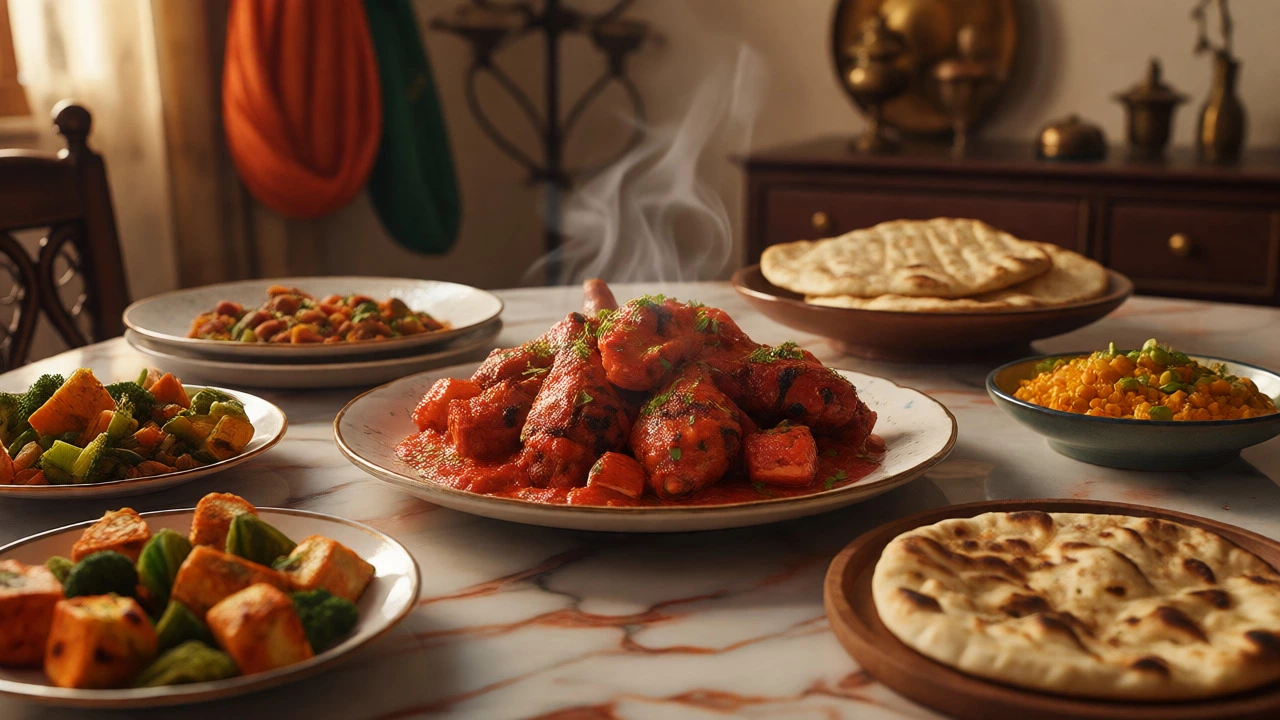
Walk through any city in New Zealand, London, or Toronto, and you’ll see Sikh families enjoying butter chicken or tandoori wings. For them, food is culture. In Punjab, meat dishes are celebrated during festivals and weddings. Refusing them can sometimes be seen as rejecting hospitality.
The key takeaway here is intention. Are you eating chicken because you love the taste? That’s fine. Are you eating it to show off or to hurt others? That’s where the spiritual problem lies. Sikhism encourages moderation. Binge-eating rich curries until you feel sick isn’t spiritually beneficial, even if the chicken was ethically sourced.
Vegetarian Alternatives That Taste Great
If you’re curious about why vegetarianism works for so many Sikhs, look at the cuisine. Paneer Tikka offers the same charred, smoky flavor as grilled chicken. Chole Bhature provides the hearty comfort of a stew. These aren’t sad substitutes; they’re delicious staples. The spices used in Indian cooking-cumin, coriander, garam masala-are powerful enough to satisfy cravings without meat.
For those trying to reduce meat intake, start with "Meatless Mondays." Swap your usual chicken curry for a rich Rajma (kidney bean) curry. You’ll notice you feel less sluggish after lunch. It’s a small experiment that respects both your health and your heritage.
Is pork forbidden in Sikhism?
No, pork is not explicitly forbidden in Sikhism. However, most Sikhs avoid it due to cultural influences from neighboring Hindu and Muslim communities, or because they view pig farming as unclean. It’s a social taboo rather than a religious law.
Can Sikhs eat eggs?
Yes, Sikhs can eat eggs. Since eggs (especially unfertilized ones) do not involve killing an animal, they fit well within the vegetarian-friendly ethos of many Sikh households. Many Sikhs who consider themselves vegetarian will still consume eggs.
Why is Langar always vegetarian?
Langar is vegetarian to ensure inclusivity. By serving only vegetarian food, the Gurdwara ensures that people of all religions, castes, and dietary restrictions can sit together and eat without conflict. It promotes unity and equality above all else.
What is Jhatka meat?
Jhatka is a method of slaughtering animals where the head is severed instantly with a single blow, causing immediate death. Sikhs prefer this over Halal because it minimizes the animal's suffering and avoids ritualistic prayer during the killing process.
Do Sikh women have different diet rules than men?
No, Sikhism preaches complete equality between genders. Men and women follow the same spiritual guidelines regarding diet. Both can eat meat, and both are encouraged to avoid intoxicants and ritualistic fasting.