Biryani Nutrition Calculator
Not all biryani is created equal. Adjust the settings below to see how restaurant vs. homemade styles impact your daily intake.
Nutritional Estimate
Note: Estimates are based on average values for Basmati rice dishes. Actual values vary by recipe, oil type, and specific cuts of meat.
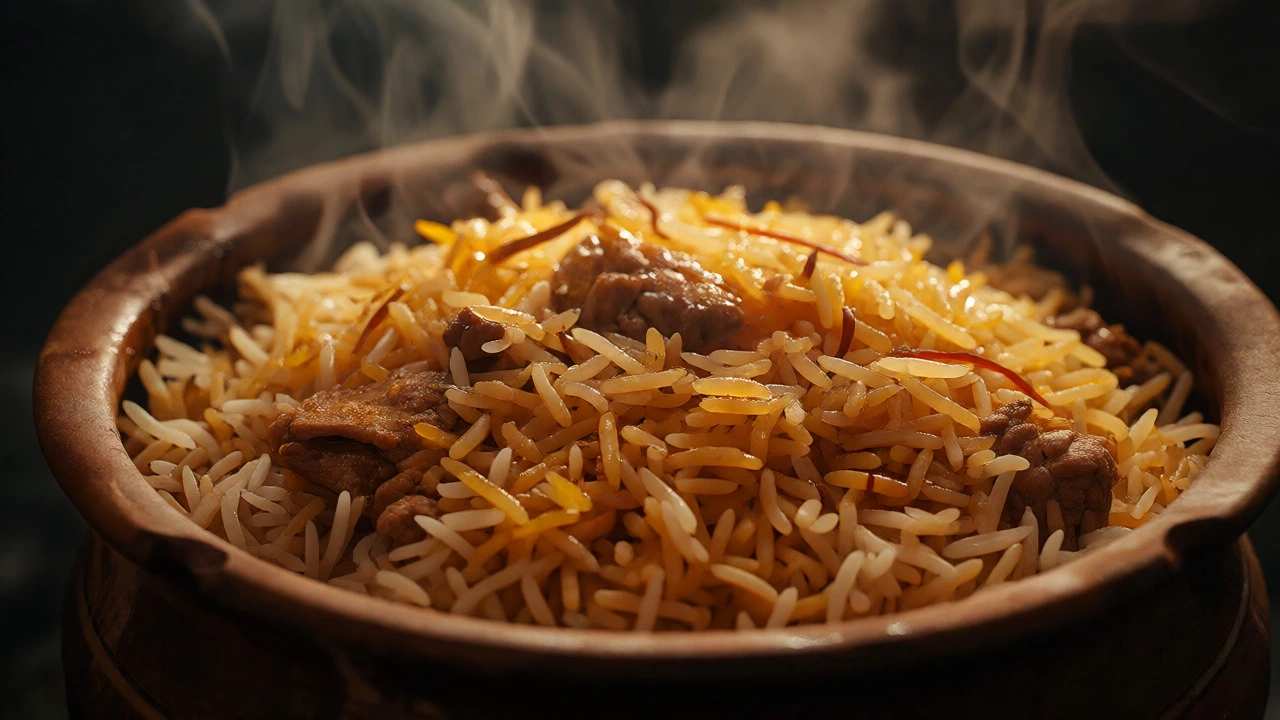
You stare at the steaming pot of biryani, a mixed rice dish with its origins among the Muslims of the Indian subcontinent. It smells like heaven. The saffron is blooming, the meat looks tender, and your stomach growls. But then a tiny voice in your head whispers: "This is going to wreck my diet." Is it right? Or is biryani just misunderstood?
Here’s the thing: biryani isn’t inherently evil. It’s not poison. But depending on who cooks it and how they cook it, that plate can pack more calories than three slices of pizza. Let’s break down exactly what makes biryani potentially unhealthy, so you can enjoy it without the guilt trip.
The Oil and Ghee Problem
Let’s start with the big one: fat. Traditional biryani recipes call for generous amounts of ghee, which is clarified butter. In restaurants, they often use cheap vegetable oil or even palm oil to cut costs. Why? Because oil carries flavor. It keeps the rice grains separate and gives the meat that juicy mouthfeel.
But here’s the math. A standard restaurant serving of chicken biryani might contain 15-20 grams of added fat per cup. That’s not just a sprinkle; that’s several tablespoons. If you’re watching your saturated fat intake, this is where things get tricky. Ghee is delicious, but it’s dense. One tablespoon has about 120 calories. Multiply that by the amount used in a large pot, and you see why those numbers add up fast.
Pro tip: When cooking at home, measure your ghee. Don’t just pour from the jar. Use a teaspoon. You’ll be shocked at how little you actually need if you bloom your spices properly.
The White Rice Factor
Biryani is built on basmati rice, a long-grain aromatic rice variety. Basmati is great-it has a lower glycemic index than short-grain sticky rice. But it’s still refined white rice. This means the bran and germ have been stripped away, leaving mostly starch.
When you eat a huge mound of white rice, your blood sugar spikes. Your pancreas pumps out insulin to handle the glucose. If you’re sedentary after eating (and let’s be honest, who moves much after a heavy biryani lunch?), that excess glucose gets stored as fat. Plus, white rice lacks fiber. Fiber slows digestion and keeps you full. Without it, you finish your plate and feel hungry an hour later.
Some people swap in brown basmati rice. Does it work? Yes, but it changes the texture. Brown rice takes longer to cook and doesn’t absorb flavors quite the same way. It’s a trade-off. Healthier, yes. Authentic? Debatable. But if weight management is your priority, it’s a smart switch.
Sodium Overload
Have you ever eaten biryani and felt thirsty all afternoon? That’s sodium talking. To make the meat flavorful, chefs marinate it in yogurt, salt, and spices. Then, during layering, more salt goes into the rice water. Finally, some places sprinkle chaat masala or extra salt on top before serving.
A single serving can easily hit 1,000-1,500 mg of sodium. The American Heart Association recommends limiting daily sodium to 1,500-2,300 mg. So one meal can nearly max out your day. High sodium leads to water retention and bloating. If you have high blood pressure, this is a real concern.
What you can do: Make your own broth instead of using bouillon cubes. They are sodium bombs. Use fresh herbs like mint and coriander for freshness without the salt.
| Nutrient | Restaurant Style (Per Cup) | Homemade Light Version |
|---|---|---|
| Calories | 450-600 kcal | 300-350 kcal |
| Total Fat | 20-25g | 8-10g |
| Saturated Fat | 8-10g | 3-4g |
| Sodium | 1,200mg+ | 600mg |
| Carbs | 60-70g | 45-50g |

The Meat Quality Trap
Not all meat is created equal. Many budget-friendly biryani spots use cuts that are high in connective tissue and fat because they’re cheaper. Mutton biryani, for instance, can be incredibly rich. Lamb shoulder and leg cuts have significant intramuscular fat. While tasty, this adds saturated fat quickly.
Then there’s the issue of processed meats. Some places use pre-cooked or heavily preserved meats to speed up service. These often contain nitrates and excessive preservatives. Freshly cooked chicken breast or lean lamb chunks are far better options. They provide protein without the unnecessary grease.
If you order out, ask for extra meat and less rice. This shifts the macronutrient balance toward protein and fats, reducing the carb load. Protein also keeps you satiated longer, preventing overeating.
Hidden Sugars and Cream
This one surprises people. Some regional variations, particularly Lucknowi or Hyderabadi styles adapted for Western palates, add cream or cashew paste to the marinade. Cashews are healthy fats, sure, but they are calorie-dense. A handful of cashews equals a small bowl of rice in calories.
Cream adds richness but also saturated fat. If you’re lactose intolerant or sensitive to dairy, this can cause digestive discomfort too. Check the ingredient list if you’re buying frozen biryani. Look for "cream," "cashew powder," or "milk solids" near the end of the list. If they appear early, it’s a high-calorie dish.
Portion Distortion
Maybe the biggest culprit isn’t the ingredients-it’s the volume. We tend to serve biryani like it’s the only food on the table. In many cultures, biryani is a centerpiece. But look at the plate. Is it half rice? Half meat? Or is it 80% rice?
A balanced plate should follow the "plate method": half vegetables, quarter protein, quarter carbs. Most biryani servings flip this. It’s mostly carbs, some protein, and a garnish of salad. Where are the veggies? Raita helps, but it’s yogurt-based. Salads are often sugary pickles.
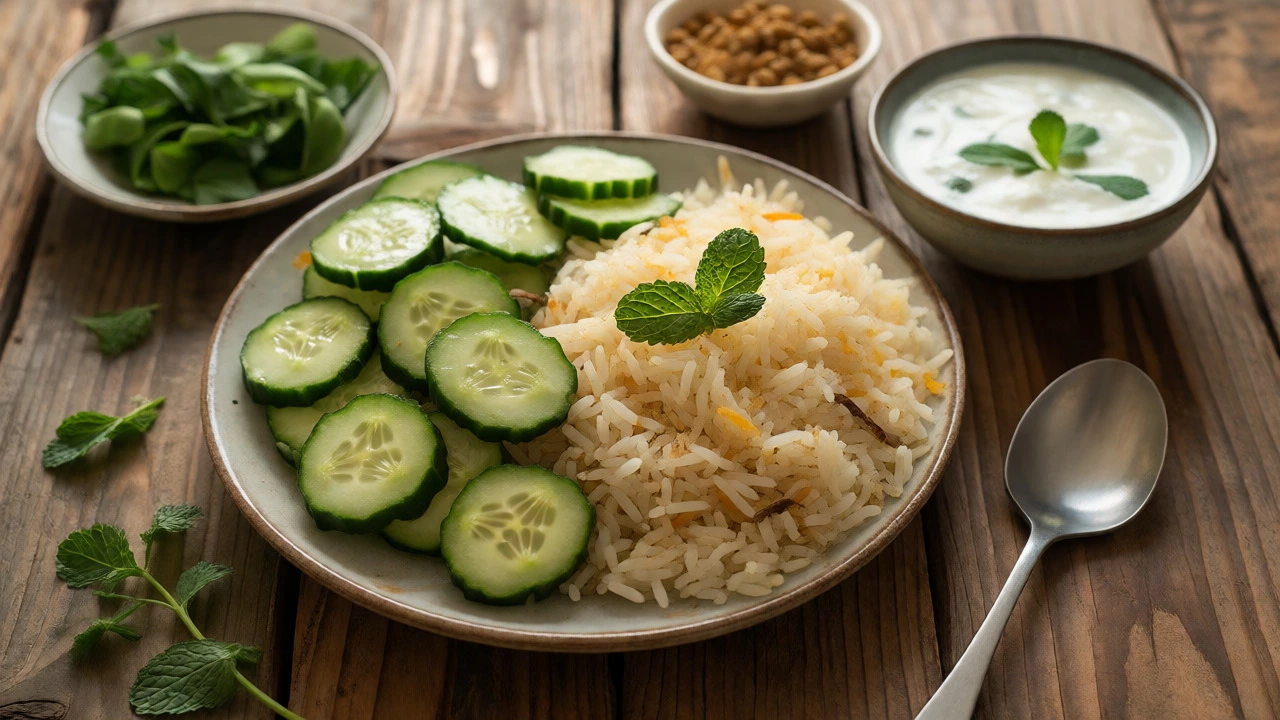
To fix this, pair your biryani with a large side of plain cucumber salad or steamed greens. Fill up on fiber first. You’ll naturally eat less rice.
How to Make Biryani Healthier
Don’t panic. You don’t have to give up biryani forever. Here’s how to hack it for better health:
- Reduce Oil: Cut the ghee quantity by half. Use non-stick pots to prevent sticking.
- Add Veggies: Toss in carrots, peas, beans, or bell peppers during the dum (steaming) process. They add volume and nutrients without adding calories.
- Choose Lean Proteins: Opt for skinless chicken thighs or breast over mutton or fatty beef.
- Control Salt: Season lightly. Taste before adding more.
- Watch Portions: Serve one cup of biryani alongside two cups of salad or raita.
Making it at home gives you control. You decide how much ghee goes in. You choose the cut of meat. You stop the salt shaker when it’s enough. Restaurant biryani is designed to taste amazing, not necessarily to fit a keto or low-sodium diet. Home biryani can be both.
Frequently Asked Questions
Is chicken biryani healthier than mutton biryani?
Generally, yes. Chicken, especially skinless breast or thigh, is leaner than mutton. Mutton cuts often have higher saturated fat content. However, preparation matters most. A fried chicken biryani with heavy gravy can be worse than a lightly spiced mutton biryani with minimal oil.
Can I eat biryani if I am diabetic?
Yes, but with caution. White basmati rice raises blood sugar. Diabetics should limit portion sizes, pair biryani with plenty of fiber-rich vegetables, and consider using brown basmati rice. Monitoring blood glucose levels after eating is crucial to understand individual tolerance.
Does biryani cause weight gain?
Biryani itself doesn't cause weight gain; caloric surplus does. Because biryani is energy-dense due to oils, ghee, and rice, it's easy to consume excess calories. Regular consumption of large portions without physical activity can lead to weight gain over time.
Is homemade biryani healthier than restaurant biryani?
Almost always. Restaurants prioritize taste and shelf-life, often using more oil, salt, and sometimes MSG or artificial enhancers. At home, you can control ingredient quality, reduce fat and sodium, and add more vegetables, making it significantly healthier.
What is the healthiest way to prepare biryani?
Use minimal ghee or olive oil, opt for lean proteins like chicken breast or tofu, incorporate a variety of vegetables, use brown basmati rice for higher fiber, and reduce salt usage. Steaming or baking methods can also reduce the need for frying components.