Indian Sweet Freezing Guide
Select Your Sweet
Choose the type of Indian sweet you want to store:
How Long Will You Store It?
Select your intended freezer storage duration:
You’ve just come back from a wedding or a festive celebration with three large boxes of Indian sweets. There’s enough mithai (traditional Indian confectionery) to last for weeks, but your fridge is already bursting. You know they won’t stay fresh at room temperature for more than two days, especially in the summer heat. So, you look at the freezer and wonder: is it safe? Will the texture turn rubbery? Will the flavors clash?
The short answer is yes, you can freeze most Indian sweets. But there’s a catch. Not every sweet survives the freezing process well. Some become soggy, some lose their crunch, and others actually improve with time. Knowing which ones go into the freezer and how to handle them is the difference between enjoying a delicious treat later and throwing away a ruined dessert.
Why Freezing Works for Indian Desserts
Freezing works by slowing down bacterial growth and chemical reactions that cause spoilage. For Indian sweets, which are often high in sugar, milk solids, or ghee, this preservation method is highly effective. Sugar acts as a natural preservative, lowering the water activity in foods like Gulab Jamun, which is a deep-fried dough ball soaked in rose-flavored sugar syrup. This means bacteria have a harder time growing even before you freeze them.
However, moisture is the enemy. When water freezes, it expands and forms ice crystals. These crystals can puncture cell walls in delicate foods, leading to a mushy texture upon thawing. In the context of Indian sweets, this affects dairy-based sweets differently than flour-based ones. Understanding this science helps you decide what to freeze and how to pack it.
Sweets That Freeze Perfectly
Some Indian sweets are practically built for the freezer. Their dense structure or high sugar content protects them from ice crystal damage. Here are the top contenders:
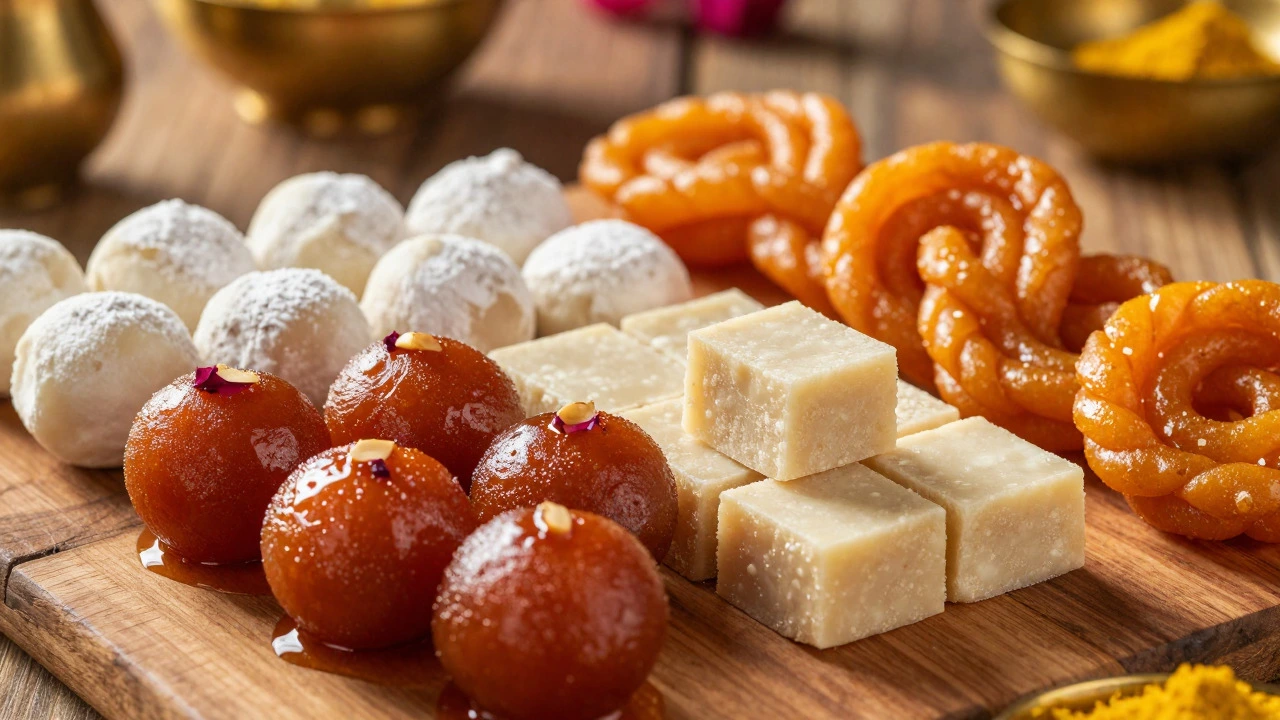
- Gulab Jamun: These soak up syrup over time. Freezing them keeps them moist. Just ensure they are fully coated in syrup before freezing. They taste incredible when thawed because the syrup penetrates deeper during the slow thawing process.
- Rasgulla: Since these are already soaked in sugar syrup, they freeze very well. The spongy texture remains intact if stored properly. Many commercial brands sell frozen Rasgullas for this reason.
- Jalebi: Fresh Jalebi loses its crispness within hours. Freezing stops this degradation. When you thaw them, they might be slightly soft, but reheating them in an oven or air fryer restores much of the crunch.
- Ladoo (Besan or Moong Dal): Made from roasted gram flour and ghee, these are dry and dense. They freeze exceptionally well without any change in texture. Just keep them sealed tight so they don’t absorb freezer odors.
- Kaju Katli: Cashew fudge is stable. It doesn’t contain much free water, so it won’t get icy. It stays firm and smooth in the freezer for months.
Sweets That Are Risky to Freeze
Not all mithai loves the cold. Dairy-heavy sweets with low sugar content or those with a delicate crust can suffer. Proceed with caution on these:
- Peda: Traditional milk peda is soft and creamy. Freezing can make it grainy or separate the fats. If you must freeze it, expect a slight change in mouthfeel. It’s better consumed within a week at room temperature or in the fridge.
- Barfi (Milk-based): Similar to Peda, milk barfi can become crumbly or dry after freezing. Coconut barfi holds up better due to the fat content in coconut, but pure milk barfi is risky.
- Nankhatai: These butter cookies are best fresh. Freezing can make them stale faster once thawed because the moisture balance shifts. If you freeze them, re-crisp them in the oven immediately after taking them out.
- Imarti: Like Jalebi, Imarti is syrup-soaked. However, its layered structure can collapse if frozen improperly. It’s doable, but the texture might become too soft and lose its distinct bite.
How to Pack Indian Sweets for the Freezer
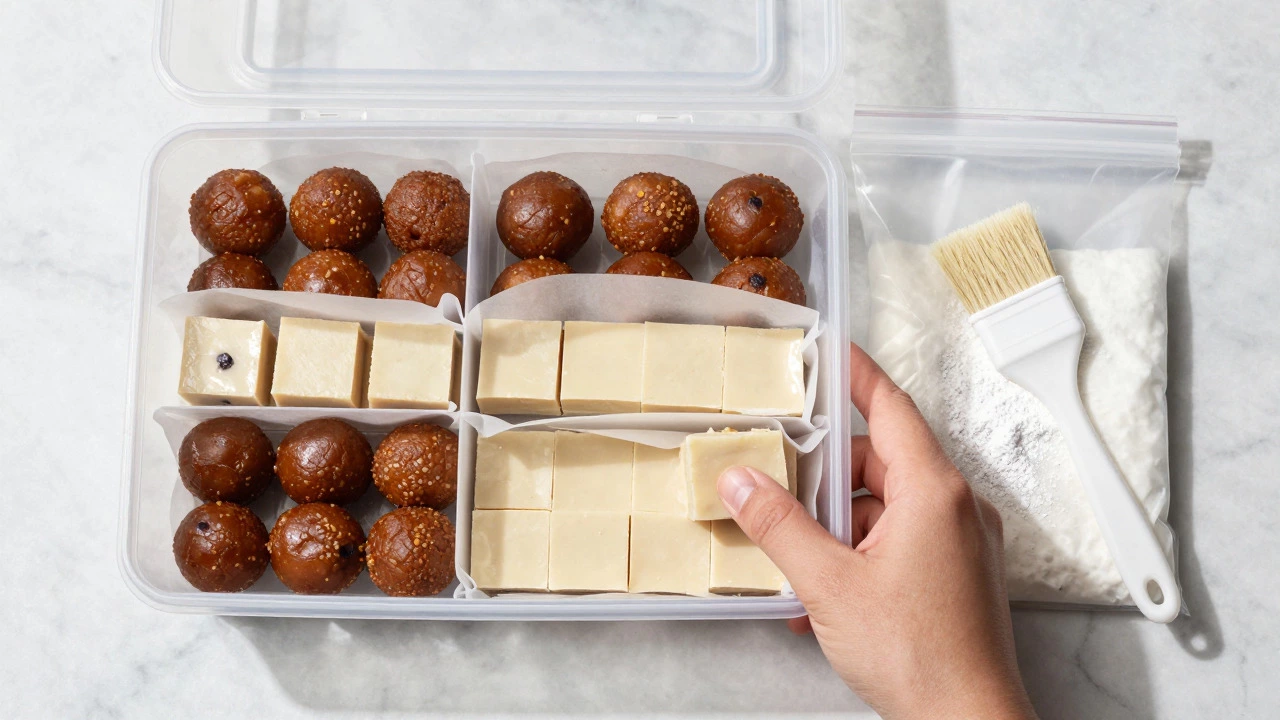
Proper packaging is non-negotiable. If you just throw a box of sweets into the freezer, they will develop freezer burn and absorb smells from leftover pizza or fish. Follow these steps to keep your mithai fresh:
- Cool Completely: Never freeze warm sweets. Condensation will form inside the packaging, creating ice crystals that ruin the texture. Let them reach room temperature first.
- Layer with Parchment: Place a sheet of parchment paper or wax paper between layers of sweets. This prevents them from sticking together. For sticky sweets like Gulab Jamun, lightly dust the paper with powdered sugar or use silicone mats.
- Airtight Containers: Use rigid, airtight plastic containers rather than bags if possible. Bags can burst or leak. If using bags, squeeze out all the air before sealing. Vacuum sealers are ideal if you have one.
- Double Bagging: For extra protection against odors, put the primary container inside a heavy-duty freezer bag. This double layer ensures no freezer smells penetrate your sweets.
- Label and Date: Write the date and type of sweet on the container. Most Indian sweets last 1-3 months in the freezer. After that, quality starts to decline.
| Sweet Type | Max Freezer Duration | Texture Change | Reheating Needed? |
|---|---|---|---|
| Gulab Jamun | 3 Months | Minimal (softer) | No |
| Rasgulla | 2 Months | Minimal | No |
| Ladoo | 6 Months | None | No |
| Jalebi | 1 Month | Becomes soft | Yes (for crunch) |
| Kaju Katli | 4 Months | None | No |
| Peda | 1 Month | Grainy/Dry | No |
Thawing Techniques for Best Results
How you bring the sweets back to life matters just as much as how you froze them. Rushing the process leads to condensation, which makes syrups runny and crusts soggy.
The Slow Thaw (Recommended): Move the container from the freezer to the refrigerator overnight. Then, let it sit at room temperature for 1-2 hours before serving. This gradual temperature change minimizes condensation and allows the sugars and fats to redistribute evenly. For Gulab Jamun and Rasgulla, this method helps the syrup re-absorb into the dough.
The Quick Thaw: If you’re in a hurry, leave the sealed container at room temperature. Do not microwave unless you want a hot, melted mess. Microwaving unevenly heats sweets, causing some parts to explode while others remain frozen. Avoid microwaving entirely for best texture.
Re-crisping: For Jalebi, Imarti, or Nankhatai, place them on a baking sheet and warm them in an oven at 150°C (300°F) for 5-10 minutes. This drives off excess moisture and restores the initial crunch. Watch them closely; they can burn quickly.

Common Mistakes to Avoid
I’ve seen many people ruin good sweets by making simple errors. Here’s what to watch out for:
- Freezing Syrup Separately: Don’t freeze the syrup and the sweet separately unless you plan to soak them again later. For Gulab Jamun, freeze them submerged in syrup. The liquid protects the surface from drying out.
- Using Glass Jars: Glass can crack in the freezer if the contents expand. Plastic containers designed for freezing are safer and lighter.
- Mixing Flavors: Keep strong-smelling sweets like saffron or cardamom-infused items separate from neutral ones like plain Ladoo. Flavors can bleed through porous packaging.
- Ignoring Expiry Dates: Even in the freezer, quality degrades. Ghee can go rancid over many months. Stick to the 1-3 month rule for optimal taste.
Storage Alternatives to Freezing
If you only need to store sweets for a few days, the freezer isn’t necessary. Room temperature storage in an airtight container is fine for dry sweets like Ladoo and Kaju Katli. For wet sweets like Gulab Jamun, the refrigerator is better than the freezer for short-term storage (up to a week). Just remember to let them come to room temperature before eating, as cold milk solids can feel waxy in the mouth.
For those living in humid climates like Auckland summers, the fridge is often essential to prevent mold growth on dairy-based sweets. But if you’re planning for Diwali or Christmas gifts months in advance, the freezer is your best friend.
Can I freeze homemade Gulab Jamun?
Yes, homemade Gulab Jamun freezes excellently. Ensure they are completely cooled and soaked in syrup before placing them in an airtight container. They can last up to 3 months. Thaw slowly in the fridge for the best texture.
Does freezing affect the taste of Kaju Katli?
No, freezing does not negatively affect the taste of Kaju Katli. Because it is made primarily of cashew paste and sugar with minimal moisture, it retains its flavor and smooth texture perfectly after thawing.
How long can I keep Indian sweets in the freezer?
Most Indian sweets last 1 to 3 months in the freezer. Dry sweets like Ladoo can last up to 6 months. Beyond this period, the quality may decline due to freezer burn or oxidation of fats like ghee.
Should I thaw Indian sweets in the microwave?
It is generally not recommended. Microwaves heat unevenly and can melt the structure of delicate sweets, making them soggy or burnt. Slow thawing in the fridge or at room temperature preserves texture better.
Can I freeze Jalebi and still make it crunchy?
Yes, but you need to reheat it. Frozen Jalebi will be soft. To restore crunch, bake it in an oven or air fryer at 150°C for 5-10 minutes after thawing. This removes excess moisture and crisps the exterior.
Is it safe to freeze milk-based sweets like Peda?
It is safe, but the texture may suffer. Milk-based sweets can become grainy or dry after freezing due to separation of fats and proteins. If you must freeze them, consume within one month and accept a slight change in mouthfeel.