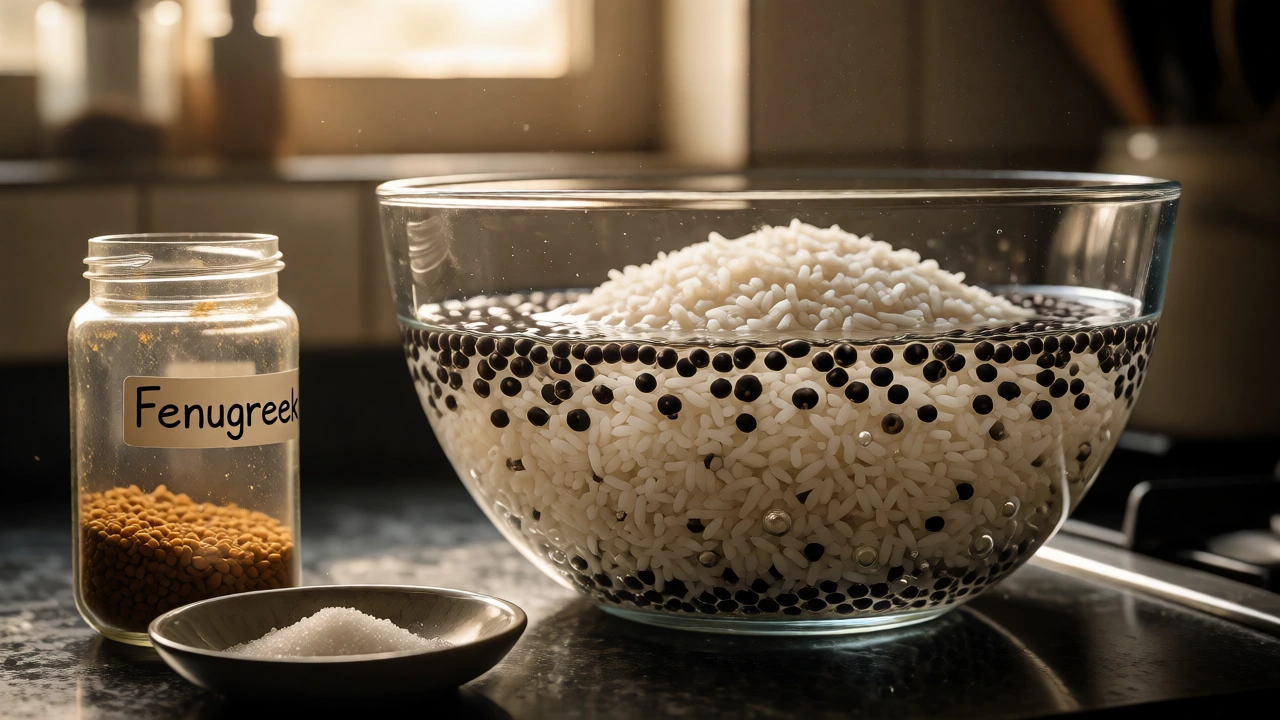
Dosa Fermentation Simulator
Without fenugreek, fermentation is slower. Adjust your timeline based on your kitchen's ambient temperature.
Enter your temperature and start time to see when your batter will be ready.
Recommended Schedule
Ready To Cook At
You’re standing in your kitchen, staring at a bag of fenugreek that you don’t have. Maybe you ran out, maybe you forgot to buy it, or maybe you just hate the slightly bitter, maple-like taste it adds to everything. The panic sets in: can you still make dosa? Will it turn into a rubbery disc instead of that crispy, golden crepe you love?
Here is the good news: yes, you absolutely can make dosa without fenugreek. In fact, many traditional South Indian households skip it entirely for specific regional variations or simply because they prefer a milder flavor profile. While fenugreek seeds (methi) play a crucial role in fermentation and color, they aren’t strictly non-negotiable if you tweak your process. This guide walks you through exactly how to achieve that perfect crispiness and tang without relying on those tiny yellow seeds.
Why Do We Use Fenugreek in Dosa Batter?
To understand what happens when you leave it out, you first need to know what it actually does. Fenugreek isn’t just a spice here; it’s a functional ingredient. It serves three main purposes in standard idli dosa batter:
- Fermentation Boost: The enzymes in fenugreek help break down starches and proteins in the rice and lentils, speeding up the natural yeast activity.
- Browning Agent: It contains compounds that caramelize quickly, giving dosas their signature golden-brown spots.
- Flavor Depth: It adds a subtle bitterness that balances the sourness of the fermented batter.
If you remove it, you lose these benefits. But none of them are impossible to replicate with other common pantry staples. You just need to adjust your expectations and your technique.
The Best Substitutes for Fenugreek Seeds
If you want to keep the chemical benefits of fenugreek but don’t have the seeds, look no further than your spice rack. These substitutes mimic the enzymatic or browning properties effectively.
| Substitute | Effect on Fermentation | Effect on Color | Recommended Amount (per 1 cup rice) |
|---|---|---|---|
| Mustard Seeds | Neutral (no boost) | Adds nutty aroma, minor browning | 1/2 tsp (tempered separately) |
| Sugar/Jaggery | Boosts yeast activity | Promotes caramelization | 1/2 tsp |
| Baking Soda | Rapid rise (chemical leavening) | Darker brown spots | A pinch (use sparingly) |
| None | Slower fermentation | Lighter golden color | N/A |
Sugar or Jaggery is often the best hack for home cooks. Adding half a teaspoon of sugar to the soaking water helps feed the wild yeasts, compensating for the lack of enzymatic boost from fenugreek. It also encourages Maillard reaction during cooking, helping you get those brown spots.
Baking soda is a quick fix if you are short on time. It forces the batter to rise even without long fermentation. However, be careful-too much baking soda can give your dosa a soapy aftertaste and make it too fluffy rather than crisp. Use it only if you plan to cook the dosa immediately.
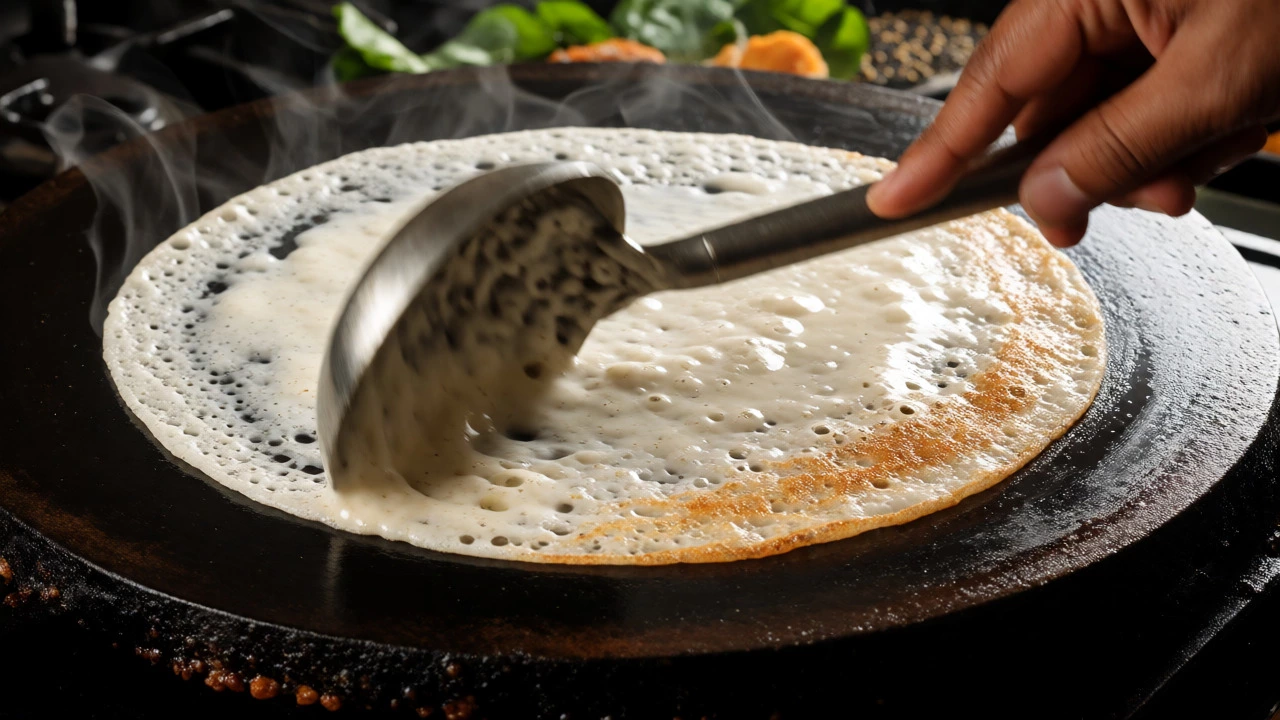
Step-by-Step: Making Crispy Dosa Without Fenugreek
Since you’ve lost the fermentation accelerator, you need to give the batter more time and care. Here is the adjusted method for a foolproof result.
- Soak Longer: Standard soaking is 4-6 hours. Without fenugreek, soak your Idli Rice and Urad Dal for at least 8 hours, preferably overnight. The grains need to absorb maximum water to soften completely.
- Grind Finer: Grind the urad dal first until it is incredibly smooth and airy. Then grind the rice to a semolina-like consistency. Mixing them thoroughly is critical because there’s no fenugreek mucilage to help bind the texture.
- Extend Fermentation: Let the batter ferment for 10-12 hours in a warm spot. If your kitchen is cool (like my Auckland kitchen in October!), put the container inside an oven with just the light on. The batter should double in volume and smell pleasantly sour.
- Test the Consistency: Before cooking, stir the batter gently. It should flow like pouring cream. If it’s too thick, add water gradually. Too thin? Add a spoonful of rice flour to thicken it.
- Cook Hot: Heat your tawa (griddle) until a drop of water sizzles and evaporates instantly. Wipe it with a damp cloth before each dosa. Pour the batter and spread it fast. Since the batter lacks the binding power of fenugreek, spreading quickly prevents tearing.
Troubleshooting Common Issues
You might run into a few hiccups. Here’s how to fix them without starting over.
My dosa is sticking to the pan. This usually means the batter wasn’t fermented enough or the pan wasn’t hot enough. Ensure the batter has doubled in size. Also, use a well-seasoned cast iron tawa or a high-quality non-stick surface. A thin smear of oil helps initially.
It’s pale and not crispy. Without fenugreek, browning is harder. Try adding a pinch of turmeric powder directly to the batter before cooking. It won’t change the taste significantly but will enhance the visual appeal. Also, ensure you drizzle ghee or oil around the edges of the dosa while it cooks; this fries the edges and creates crispness.
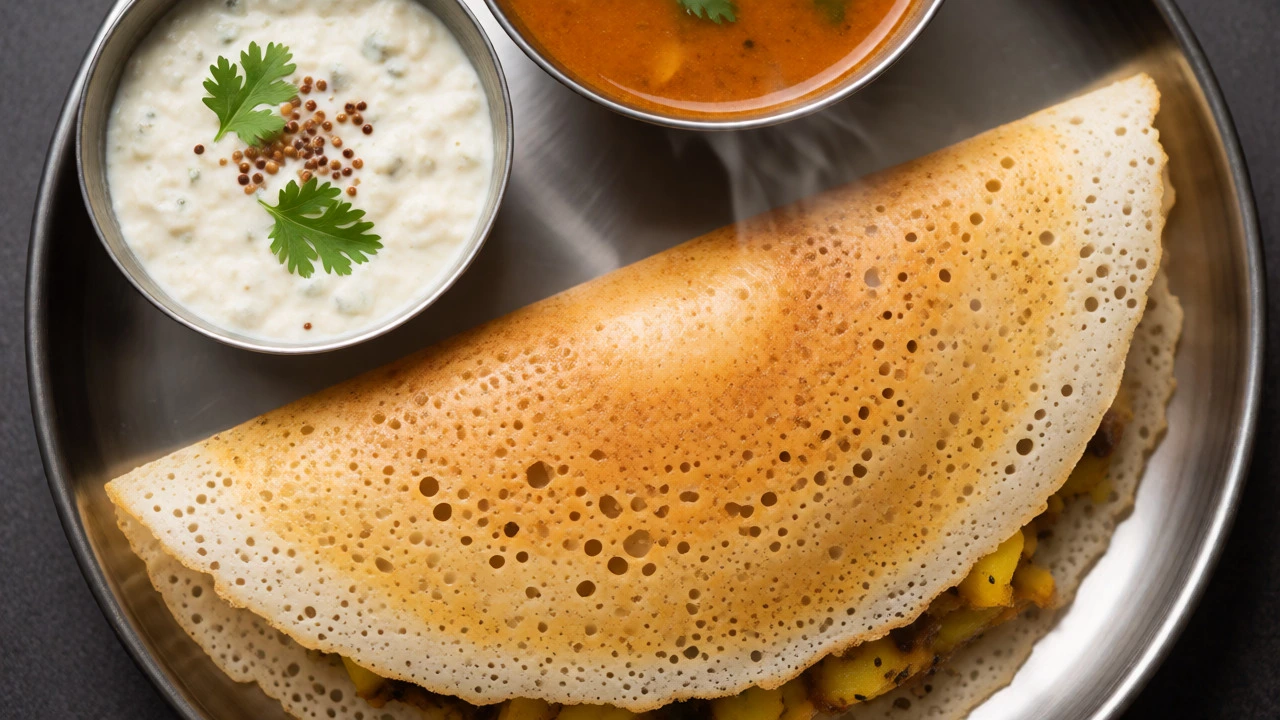
The taste is too bland. Fenugreek adds depth. To compensate, serve your dosas with strong accompaniments. Coconut Chutney with tempered mustard seeds and curry leaves, or a spicy Sambar, will mask any lack of complexity in the plain batter.
Regional Variations That Skip Fenugreek
Believe it or not, some authentic dosa styles never used fenugreek. The Neer Dosa from Karnataka uses only rice and coconut milk, resulting in a lacy, soft crepe. Similarly, certain family recipes in Tamil Nadu omit methi for children who dislike the bitter note. They rely heavily on fresh ingredients and precise grinding techniques to achieve quality.
If you are experimenting, try making a Masala Dosa where the potato filling carries the flavor load. The spiced masala inside compensates for any mildness in the wrapper. This is a great strategy if you find the plain dosa too one-dimensional without the herb.
Final Tips for Success
Making dosa without fenugreek is less about chemistry and more about patience. Give the yeast more time. Keep your hands clean when handling the batter to avoid introducing bad bacteria. And remember, practice makes perfect. Your first batch might tear, but by the third, you’ll master the spread.
Don’t let a missing jar of spices stop you from enjoying a classic Indian breakfast. With slight adjustments to soaking time, fermentation duration, and heat control, you can produce dosas that are just as delicious, if not cleaner in flavor, than the traditional version.
Will my dosa be flat without fenugreek?
Not necessarily. Fenugreek aids in rising, but proper fermentation of the urad dal provides most of the lift. Ensure your batter ferments until it doubles in volume. If it doesn't rise, your environment might be too cold; move it to a warmer spot.
Can I use dried fenugreek leaves (kasuri methi) instead?
You can, but it changes the flavor profile significantly. Kasuri methi has a stronger, hay-like aroma compared to the subtle sweetness of the seeds. Crush a small amount between your palms and mix it into the batter before cooking, not during grinding, to preserve its aroma.
Does omitting fenugreek affect digestion?
Fenugreek is known to aid digestion and reduce bloating from lentils. Without it, some people may experience slight gas. Serving dosa with ginger chutney or adding a pinch of asafoetida (hing) to the tempering can help counteract this effect.
How do I store batter made without fenugreek?
Store it in the refrigerator for up to 5 days. Without fenugreek's preservative qualities, the batter might sour faster. Check the smell before using; if it smells overly alcoholic or rotten, discard it. Always bring it to room temperature before cooking.
Is idli batter different from dosa batter regarding fenugreek?
They are often the same base batter. However, for idlis, fenugreek is even more critical for softness. If you skip it for idlis, expect them to be denser. For dosas, the impact is mostly on color and slight crispiness, which is easier to manage.