Indian Host's Safe Meal Planner
Not sure how to balance flavor and safety for your guests? Select your requirements below, and we'll generate a perfectly balanced, article-compliant menu plan.
Mastering the Art of Hosting Western Guests
Hosting an American guest can feel like walking a tightrope when you cook traditional Indian FoodCuisine originating from the Indian subcontinent, known for its complex spices, diverse regional styles, and rich flavors.. The biggest worry isn't usually about the taste; it’s about the heat. You want your visitors to enjoy the vibrant colors and aromatic depth of the meal without them reaching for a glass of milk halfway through dinner. Many American palates are used to mild seasoning, while authentic Indian SpicesNatural flavorings derived from seeds, roots, and barks, including cumin, coriander, turmeric, and chili peppers. are packed with punch.
The goal is to bridge the gap between intense flavor profiles and comfort food familiarity. You don't need to compromise on the soul of the dish to make it accessible. Instead, adjust the variables. Think of this not as diluting the culture, but sharing it in a digestible way. Here is how to build a menu that impresses without intimidating.
Understanding the Heat Factor
The number one barrier for new eaters is capsaicin, the compound found in green chilies. If you are serving guests who are unsure about spice tolerance, skip the fresh chilies entirely during the sautéing phase. You can still get aroma without the burn. Toasting whole Cumin SeedsSmall brown seeds with a nutty flavor, often used to temper oil for curries. and Cardamom PodsAromatic pods used for sweet and savory dishes, providing a floral, citrusy note. in oil builds a base layer of scent that signals 'flavor' rather than 'danger'.
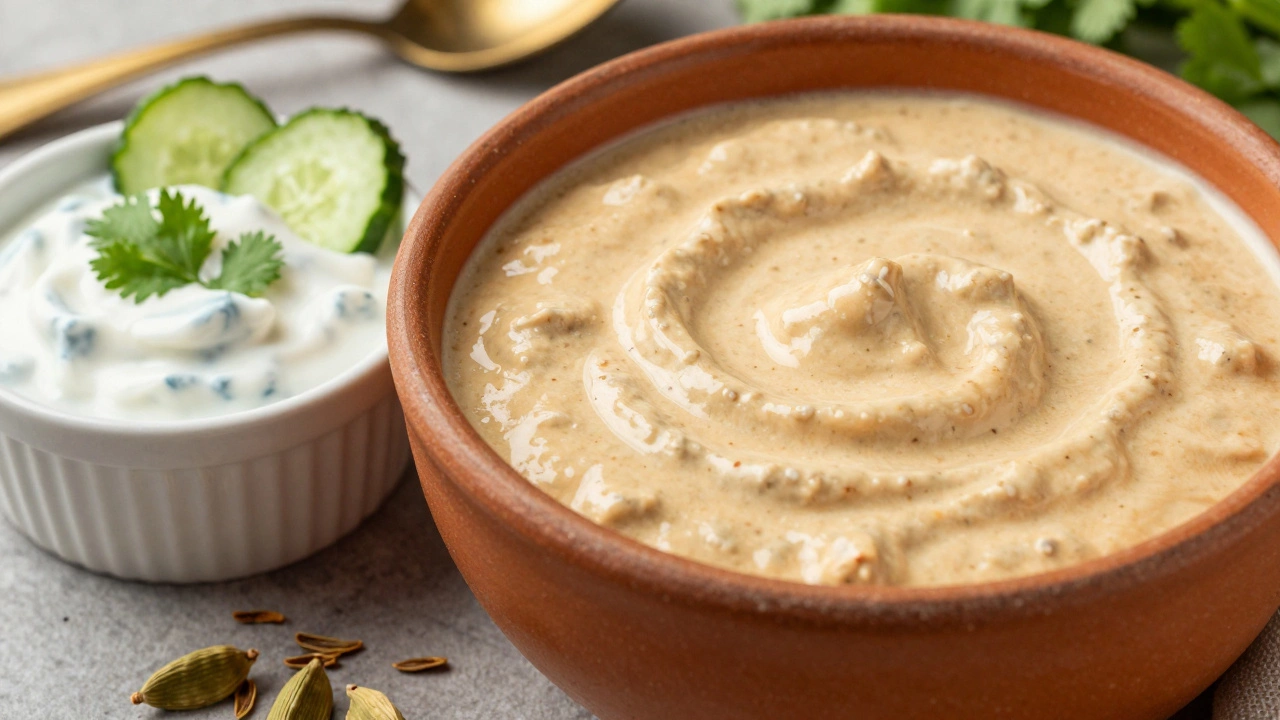
Instead of relying on green chilies, focus on roasted spices. A generous dusting of Garam MasalaA spice blend containing warm and sweet spices such as cinnamon, cardamom, cloves, and black pepper. added at the end of cooking gives warmth without the lingering fire. This technique allows guests to perceive the complexity of the cuisine without triggering their pain receptors immediately. Always keep a bowl of Mint RaitaA cooling yogurt side dish made with yogurt, mint leaves, cucumber, and sometimes coriander. on the table. It acts as a safety net if the spiciness catches anyone by surprise.
Selecting the Right Main Course
When choosing a centerpiece dish, look for creamy or gravy-based options. Texture plays a significant role in acceptance. Dry preparations like dry Paneer BhurjiScrambled paneer cubes cooked with onions, tomatoes, and spices. might feel too rustic for a first-time taster, whereas a silky gravy feels comforting and restaurant-quality.
| Dish Name | Spice Level | Preparation Time | Vegan Option Available? |
|---|---|---|---|
| Butter Chicken | Mild to Medium | 30 Minutes | Yes (Substitute Cream) |
| Paneer Tikka Masala | Mild | 40 Minutes | No (Uses Dairy) |
| Chana Masala | Medium | 35 Minutes | Yes (Naturally Vegan) |
Butter ChickenA popular North Indian chicken dish in a rich tomato and cream sauce. remains the gold standard for a reason. The sauce is thick and velvety due to the reduction process involving cashews or cream. It pairs perfectly with carbs, making it forgiving if someone takes a bite too early before realizing the flavor intensity. For vegetarians, PaneerA type of fresh cheese common in South Asian cuisine, made by acid-coagulating milk. is an excellent protein substitute because it has a neutral taste that absorbs the marinade without clashing. It provides a solid texture that mimics meat in terms of satisfaction.
Bread Choices and Accessibility
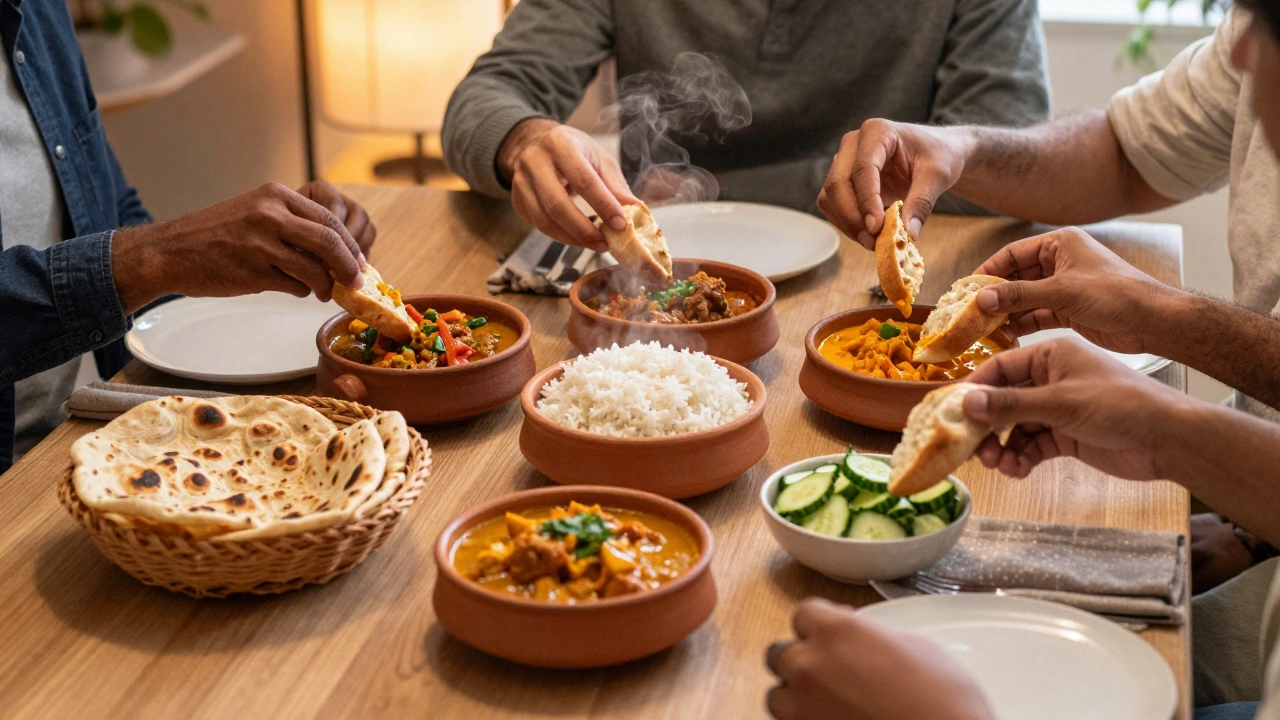
You might consider Garlic NaanLeavened flatbread leavened with yeast, baked in a tandoor, topped with garlic and butter. because it feels indulgent and delicious. However, store-bought naan can often lose that signature charred spot that defines quality. If you have access to an oven, baking dough directly on a pizza stone works wonders. Alternatively, offer RotiUnleavened whole wheat flatbread that is gluten-free friendly if made with millet flour. (whole wheat chapati). It is less oily and easier to roll up with rice, acting almost like a utensil.
Be mindful of dietary restrictions. While American guests rarely say they cannot eat dairy unless specified, many do now. Offer a small pot of plain Greek yogurt alongside the raita so those avoiding lactose can mix their own cooling agent without compromising the dish's integrity. Having clear labels helps guests trust what they put on their plates.
Essential Cooling Sides
A meal should not just be about the main event; the supporting cast matters immensely. In Northern India, a hot spicy lunch is always paired with something cool to reset the palate. Do not skip this step even if you are keeping the curry mild. Cucumber SaladSimple salad made with cucumber slices, salt, and lemon juice, commonly eaten as a refreshing snack. cut into thin spears serves a dual purpose: it adds crunch and volume.
Another option is Onion SalsaRaw chopped onions tossed with lemon juice, chili powder, and cilantro, similar to pico de gallo.. Unlike heavy gravies, raw onion salsa brings a sharp acidity that cuts through rich sauces. It provides a bright contrast that keeps the meal from feeling monotonous. Serve this separately in a small bowl so guests can add as much or as little as they desire.
Sweet Endings That Impress
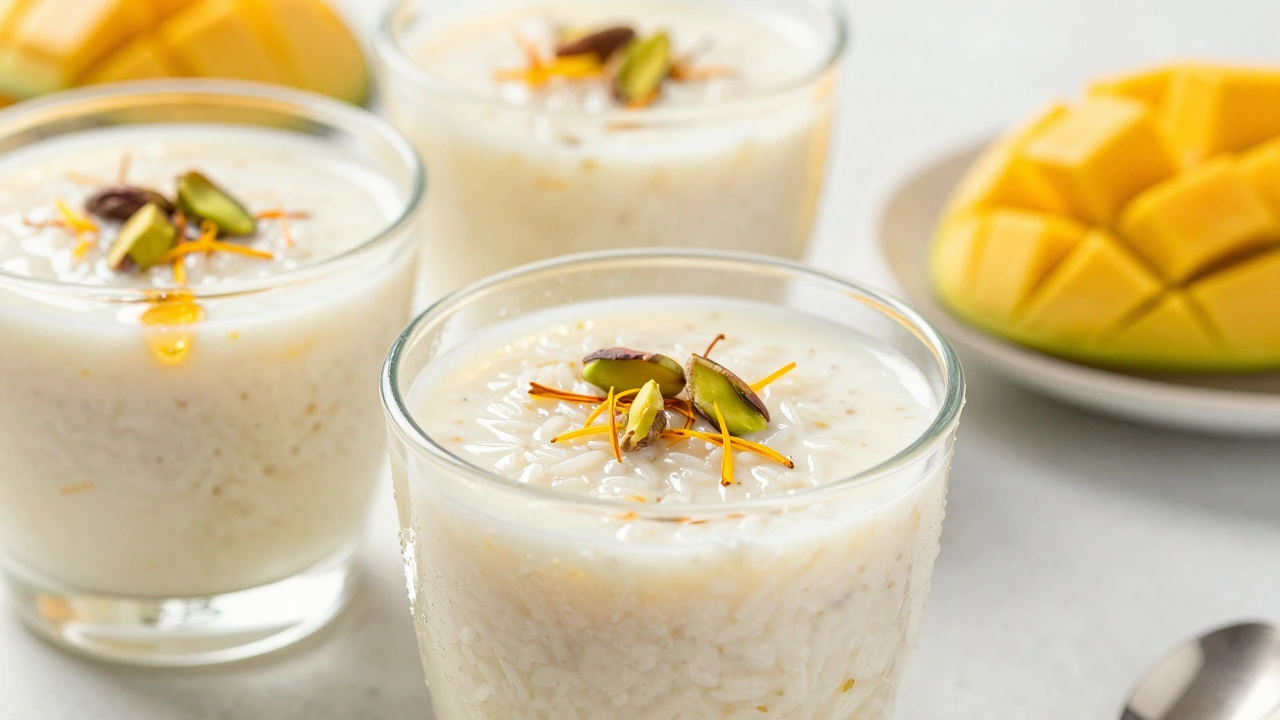
Ending the night requires something distinct from typical Western desserts but not overly complicated. Gulab JamunDeep-fried milk dumplings soaked in sugar syrup, served warm or room temperature. is fantastic but requires a deep fryer and syrup preparation days in advance. Instead, try a simple KheerA traditional rice pudding flavored with cardamom, raisins, and nuts.. It tastes like rice pudding with vanilla and saffron, which feels familiar yet special.
If you prefer to keep things quick, a fruit platter sprinkled with roasted pistachios and a drizzle of honey works perfectly. Just ensure the fruits aren't too tangy; mango chunks work best because the sweetness complements the savory meal perfectly without overpowering the spices consumed earlier. Keep it light so digestion is smooth after a heavy dinner.
Tips for Table Presentation
Visual appeal bridges curiosity gaps. When plating, place rice and bread on one side and curry on the other. Using round bowls emphasizes the communal aspect of the meal. Encourage guests to use bread instead of spoons, showing them how the bread scoops the sauce. It turns eating into a playful activity rather than just dining. Place the Green ChutneyCondiment made from blended herbs like mint and coriander, used to add zest to snacks. in a corner as a garnish rather than mixing it in beforehand, allowing control over flavor intensity.
Can I prepare these Indian dishes ahead of time?
Absolutely. Most Indian curries like Butter Chicken actually taste better the next day as the flavors meld together. Cook the curry one day, reheat gently with a splash of water to restore consistency. Only bake the naan or toast the roti on the day of serving to ensure they stay soft.
Is it okay to serve rice with the curry?
Yes, steamed Basmati RiceLong-grain aromatic rice widely used in Indian cooking. is ideal. It has less starch than regular white rice, preventing it from becoming sticky. Guests familiar with western cuisine often find it comforting compared to fluffy couscous or quinoa options.
How do I check if the spice level is safe?
Always taste your food yourself right before serving. Remember that spices become stronger when reduced. Start with half a teaspoon of red chili powder, and adjust upwards only after tasting. Never add whole dried red chilies if you are aiming for the mildest profile.
What drink goes best with Indian food?
Mango Lassi or a cold glass of sweet Lassi balances the heat perfectly. For non-dairy alternatives, a chilled Masala Chai serves as a nice digestif after the meal. Avoid carbonated drinks as they clash with the stomach when eating heavy oils and spices.
Are these recipes gluten-free?
Vegetable curries and rice are naturally gluten-free. However, traditional Naan contains wheat flour. Substitute with Jeera Rice (Cumin Rice) or Millet Rotis to accommodate guests with celiac disease or gluten sensitivity while maintaining the authenticity of the spread.